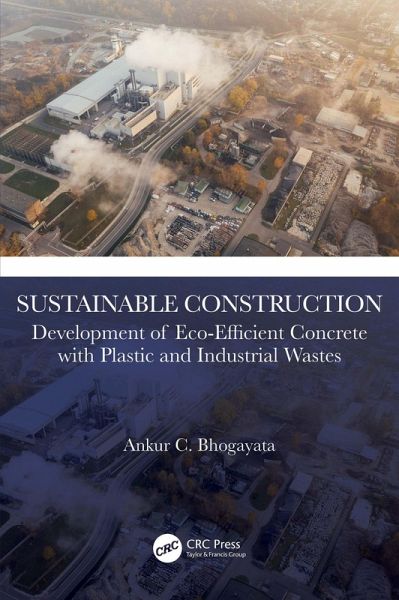
Sustainable Construction (eBook, ePUB)
Development of Eco-Efficient Concrete with Plastic and Industrial Wastes
Alle Infos zum eBook verschenken
Sustainable Construction (eBook, ePUB)
Development of Eco-Efficient Concrete with Plastic and Industrial Wastes
- Format: ePub
- Merkliste
- Auf die Merkliste
- Bewerten Bewerten
- Teilen
- Produkt teilen
- Produkterinnerung
- Produkterinnerung

Hier können Sie sich einloggen

Bitte loggen Sie sich zunächst in Ihr Kundenkonto ein oder registrieren Sie sich bei bücher.de, um das eBook-Abo tolino select nutzen zu können.
This book focuses on the utilization of wastes produced from plastic usage by industry and consumers, along with the partial to full replacement of conventional cement as a primary binder material in concrete. This book demonstrates how to use post-consumer waste plastics and industry wastes from thermal power stations, agro-industries, and metal industries with a scientific approach to conventional concrete. The primary aim is to demonstrate the methods to prepare a sustainable alternative construction material of concrete using waste materials.
Features:
Illustrates making…mehr
- Geräte: eReader
- mit Kopierschutz
- eBook Hilfe
Handbook of Flood Risk Management in Developing Countries (eBook, ePUB)52,95 €
Circular Economy in the Construction Industry (eBook, ePUB)52,95 €
Márcio de Souza S. AlmeidaDesign and Performance of Embankments on Very Soft Soils (eBook, ePUB)76,95 €
Tunnels and Underground Cities. Engineering and Innovation Meet Archaeology, Architecture and Art (eBook, ePUB)48,95 €
Benjamín CeladaGround Characterization and Structural Analyses for Tunnel Design (eBook, ePUB)47,95 €
Mine Planning and Equipment Selection 1997 (eBook, ePUB)363,95 €
Tunnels and Underground Cities. Engineering and Innovation Meet Archaeology, Architecture and Art (eBook, ePUB)48,95 €-
-
-
Features:
- Illustrates making eco-friendly procedures of concrete construction popular by way of utilization of plastics and industrial wastes
- Covers all major aspects of plastic waste-based concrete from conception to execution
- Promotes alternative materials for sustainable construction
- Describes economic aspects of using eco-efficient concrete on a mass scale
- Includes experimental results with graphs
This book is aimed at researchers and graduate students in civil engineering, construction materials, and concrete.
Dieser Download kann aus rechtlichen Gründen nur mit Rechnungsadresse in A, B, BG, CY, CZ, D, DK, EW, E, FIN, F, GR, HR, H, IRL, I, LT, L, LR, M, NL, PL, P, R, S, SLO, SK ausgeliefert werden.
- Produktdetails
- Verlag: Taylor & Francis eBooks
- Seitenzahl: 208
- Erscheinungstermin: 4. Dezember 2023
- Englisch
- ISBN-13: 9781003809135
- Artikelnr.: 69165963
- Verlag: Taylor & Francis eBooks
- Seitenzahl: 208
- Erscheinungstermin: 4. Dezember 2023
- Englisch
- ISBN-13: 9781003809135
- Artikelnr.: 69165963
- Herstellerkennzeichnung Die Herstellerinformationen sind derzeit nicht verfügbar.
1.1 Need for the Development of Eco-Efficient Concrete
1.2 Recent Trends of Research in the Development of Eco-Efficient Concrete
1.3 Summary of Significant Outcomes and Areas for Research Improvement
References
Chapter 2 Plastic Wastes
2.1 Types of Plastics and Their Usages for Consumer-Oriented Activities
2.2 Trends of Waste Generation and Their Hazardous Impacts
2.3 Feasibility of Plastic Waste Types for Addition in Concrete Composite
Chapter 3 Industrial Wastes
3.1 Types of Industrial Wastes
3.2 A Scenario of Generation and Utilization
3.3 Feasibility of Industrial Waste Utilization in Concrete Composites
Chapter 4 Development of Concrete Composite Using Plastic and Industrial
Wastes
4.1 Properties of Waste Plastics Useful for Concrete Manufacturing
4.2 Properties of Industrial Wastes in Concrete Manufacturing
4.3 Pilot Studies and Preliminary Experimental Evaluation of Modified
Concrete
4.4 Significance of Addition of Waste in Conventional Concrete
4.5 Potential of Modified Concrete for Detailed Evaluation
References
Chapter 5 Material Properties of Concrete Containing Plastic Wastes
5.1 Mix Design of the Concrete Modified with Plastic Wastes
5.2 Methods of Preparing Concrete with Plastic Wastes
5.3 Fresh Properties
5.4 Mechanical Properties
5.5 Durability Properties
5.6 Structural Performance of Members Prepared with a Modified Concrete
5.7 Special Remarks on the Use of Plastic Wastes in Concrete
References
Chapter 6 Material Properties of Concrete Prepared with Industrial Wastes
6.1 Mix Design of the Concrete
6.2 Methods of Manufacturing
6.3 Curing Requirements
6.4 Fresh Properties
6.5 Mechanical Properties
6.6 Durability Properties
6.7 Structural Performance of Members Prepared with Modified Concrete
6.8 Special Remarks on the Use of Different Industrial Wastes in Concrete
Chapter 7 Evaluation of the Concrete Blended with Industrial and Plastic
Wastes
7.1 Fresh and Mechanical Properties
7.2 Durability Properties
7.3 Influence of Plastic Wastes on the Performance of Concrete Composite
7.4 Influence of Industrial Wastes on the Performance of Concrete Composite
7.5 Summary of Assessment of Modified Concrete
Chapter 8 Applications of Modified Concrete in the Civil Engineering Fields
8.1 Utilization of the Modified Concrete in Non-structural Applications
8.2 Utilization of the Modified Concrete in Structural Applications
8.3 Utilization of the Modified Concrete in Pre-cast Concrete Manufacturing
8.4 Utilization of the Modified Concrete in Asphalt-Based Concrete
8.5 References of the National and International Codes of Practices
References
Chapter 9 Life Cycle Assessment and Economic Advantages of Modified
Concretes
9.1 LCA of Conventional Concrete
9.2 LCA of Concrete Containing Plastic Wastes
9.3 LCA of Concrete Containing Industrial Wastes
9.4 Economical Aspects, Cost Comparison, and Logistics of Modified Concrete
Chapter 10 Future Research Areas in the Topic and Suggested Readings
10.1 Future Research Topics in the Area of Development of Sustainable
Concrete
10.2 Suggested Reading
1.1 Need for the Development of Eco-Efficient Concrete
1.2 Recent Trends of Research in the Development of Eco-Efficient Concrete
1.3 Summary of Significant Outcomes and Areas for Research Improvement
References
Chapter 2 Plastic Wastes
2.1 Types of Plastics and Their Usages for Consumer-Oriented Activities
2.2 Trends of Waste Generation and Their Hazardous Impacts
2.3 Feasibility of Plastic Waste Types for Addition in Concrete Composite
Chapter 3 Industrial Wastes
3.1 Types of Industrial Wastes
3.2 A Scenario of Generation and Utilization
3.3 Feasibility of Industrial Waste Utilization in Concrete Composites
Chapter 4 Development of Concrete Composite Using Plastic and Industrial
Wastes
4.1 Properties of Waste Plastics Useful for Concrete Manufacturing
4.2 Properties of Industrial Wastes in Concrete Manufacturing
4.3 Pilot Studies and Preliminary Experimental Evaluation of Modified
Concrete
4.4 Significance of Addition of Waste in Conventional Concrete
4.5 Potential of Modified Concrete for Detailed Evaluation
References
Chapter 5 Material Properties of Concrete Containing Plastic Wastes
5.1 Mix Design of the Concrete Modified with Plastic Wastes
5.2 Methods of Preparing Concrete with Plastic Wastes
5.3 Fresh Properties
5.4 Mechanical Properties
5.5 Durability Properties
5.6 Structural Performance of Members Prepared with a Modified Concrete
5.7 Special Remarks on the Use of Plastic Wastes in Concrete
References
Chapter 6 Material Properties of Concrete Prepared with Industrial Wastes
6.1 Mix Design of the Concrete
6.2 Methods of Manufacturing
6.3 Curing Requirements
6.4 Fresh Properties
6.5 Mechanical Properties
6.6 Durability Properties
6.7 Structural Performance of Members Prepared with Modified Concrete
6.8 Special Remarks on the Use of Different Industrial Wastes in Concrete
Chapter 7 Evaluation of the Concrete Blended with Industrial and Plastic
Wastes
7.1 Fresh and Mechanical Properties
7.2 Durability Properties
7.3 Influence of Plastic Wastes on the Performance of Concrete Composite
7.4 Influence of Industrial Wastes on the Performance of Concrete Composite
7.5 Summary of Assessment of Modified Concrete
Chapter 8 Applications of Modified Concrete in the Civil Engineering Fields
8.1 Utilization of the Modified Concrete in Non-structural Applications
8.2 Utilization of the Modified Concrete in Structural Applications
8.3 Utilization of the Modified Concrete in Pre-cast Concrete Manufacturing
8.4 Utilization of the Modified Concrete in Asphalt-Based Concrete
8.5 References of the National and International Codes of Practices
References
Chapter 9 Life Cycle Assessment and Economic Advantages of Modified
Concretes
9.1 LCA of Conventional Concrete
9.2 LCA of Concrete Containing Plastic Wastes
9.3 LCA of Concrete Containing Industrial Wastes
9.4 Economical Aspects, Cost Comparison, and Logistics of Modified Concrete
Chapter 10 Future Research Areas in the Topic and Suggested Readings
10.1 Future Research Topics in the Area of Development of Sustainable
Concrete
10.2 Suggested Reading