7,48 €
7,48 €
inkl. MwSt.
Sofort per Download lieferbar

0 °P sammeln
7,48 €
Als Download kaufen
7,48 €
inkl. MwSt.
Sofort per Download lieferbar
0 °P sammeln
Jetzt verschenken
Alle Infos zum eBook verschenken
7,48 €
inkl. MwSt.
Sofort per Download lieferbar
Alle Infos zum eBook verschenken
0 °P sammeln

Andere Kunden interessierten sich auch für


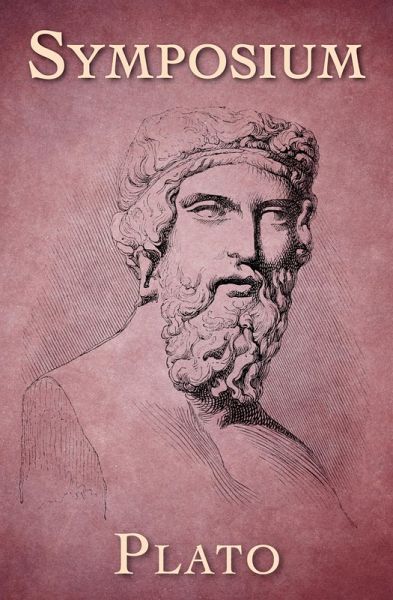
A fascinating discussion on sex, gender, and human instincts by one of history's greatest philosophers. In the course of a lively drinking party, a group of Athenian intellectuals exchange views on desire. From their conversation emerges a series of subtle reflections on gender roles, sex in society, and basic human instincts. The debate precedes one great after another: Agathon, Aristodemus, Eryximachus, Pausanias, Aristophanes, and Socrates-all describing love in many possible permutations and combinations. The dialogue culminates in a radical challenge to conventional views by Plato's mentor, Socrates, who advocates transcendence through spiritual love. The Symposium is a deft interweaving of different viewpoints and ideas about the nature of love.