Sie sind bereits eingeloggt. Klicken Sie auf 2. tolino select Abo, um fortzufahren.
Bitte loggen Sie sich zunächst in Ihr Kundenkonto ein oder registrieren Sie sich bei bücher.de, um das eBook-Abo tolino select nutzen zu können.
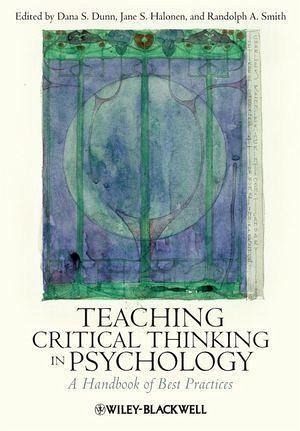
Teaching Critical Thinking in Psychology features current scholarship on effectively teaching critical thinking skills at all levels of psychology. * Offers novel, nontraditional approaches to teaching critical thinking, including strategies, tactics, diversity issues, service learning, and the use of case studies * Provides new course delivery formats by which faculty can create online course materials to foster critical thinking within a diverse student audience * Places specific emphasis on how to both teach and assess critical thinking in the classroom, as well as issues of wider program…mehr
Teaching Critical Thinking in Psychology features current scholarship on effectively teaching critical thinking skills at all levels of psychology. * Offers novel, nontraditional approaches to teaching critical thinking, including strategies, tactics, diversity issues, service learning, and the use of case studies * Provides new course delivery formats by which faculty can create online course materials to foster critical thinking within a diverse student audience * Places specific emphasis on how to both teach and assess critical thinking in the classroom, as well as issues of wider program assessment * Discusses ways to use critical thinking in courses ranging from introductory level to upper-level, including statistics and research methods courses, cognitive psychology, and capstone offerings
Dieser Download kann aus rechtlichen Gründen nur mit Rechnungsadresse in D ausgeliefert werden.
Die Herstellerinformationen sind derzeit nicht verfügbar.
Autorenporträt
Dana S. Dunn is Professor of Psychology and Director of the Learning in Common Curriculum at Moravian College, Bethlehem, PA. A Fellow of the American Psychological Association, Dunn is active in the Society for the Teaching of Psychology and will serve as President of the Society for the Teaching of Psychology (APA Division 2) in 2010. The author or editor of eight previous books, Dunn has also written numerous articles, chapters, and book reviews. Jane S. Halonen is Dean of Arts and Sciences at the University of West Florida. She publishes in the areas of assessment, critical thinking, faculty development, and student success. Jane is a Fellow and past President of Division 2 of the American Psychological Association, the Society for the Teaching of Psychology, and served as Associate Editor of its journal, Teaching of Psychology. Randolph A. Smith is Professor of Psychology and Department Chair at Lamar University. His professional work focuses on the scholarship of teaching and learning. Smith is a Fellow of Divisions 1 and 2 of the American Psychological Association and has served as Editor of Teaching of Psychology from 1997. He has authored or edited four previous books, as well as many articles, chapters, and presentations.
Inhaltsangabe
List of Contributors. About the Editors. Foreword (Diane F. Halpern, Claremont McKenna College). Preface (Dana S. Dunn, Moravian College; Jane S. Halonen, University of West Florida; and Randolph A. Smith, Lamar University). Acknowledgments. 1. Engaging Minds: Introducing Best Practices in Teaching Critical Thinking in Psychology (Dana S. Dunn, Moravian College; Jane S. Halonen, University of West Florida; and Randolph A. Smith, Lamar University). Part I: The Case for Teaching Critical Thinking in Psychology. 2. Critical Thinking: Needed Now More Than Ever (Carole Wade, Dominican University of California). 3. Have We Demystified Critical Thinking? (Natalie Kerr Lawrence, Sherry L. Serdikoff, Tracy E. Zinn, and Suzanne C. Baker, James Madison University). 4. Are They Ready Yet? Developmental Issues in Teaching Thinking (Laird R. O. Edman, Northwestern College). 5. Simple Strategies for Teaching Your Students to Think Critically (William Buskist, Auburn University and Jessica Irons, James Madison University). Part II: Assessing Critical Thinking. 6. Measure for Measure: The Challenge of Assessing Critical Thinking (Jane S. Halonen, University of West Florida). 7. Programmatic Assessment of Critical Thinking (Kevin J. Apple, Sherry L. Serdikoff, Monica J. Reis-Bergan, and Kenneth E. Barron, James Madison University). 8. A Process Approach to Thinking Critically About Complex Concepts (Stacie M. Spencer, Massachusetts College of Pharmacy and Health Sciences and Marin Gillis, University of Nevada School of Medicine). Part III: Critical Thinking in Critical Psychology Courses. 9. Integrating Critical Thinking with Course Content (David W. Carroll, University of Wisconsin-Superior; Allen H. Keniston and Blaine F. Peden, University of Wisconsin-Eau Claire). 10. Critical Thinking on Contemporary Issues (Susan L. O'Donnell, George Fox University; Alisha L. Francis, Northwest Missouri State University and Sherrie L. Mahurin, George Fox University). 11. The Repertory Grid as a Heuristic Tool in Teaching Undergraduate Psychology (Joseph A. Mayo, Gordon College). 12. Critical Thinking in Critical Courses: Principles and Applications (Janet E. Kuebli, Richard Harvey, and James Korn, Saint Louis University). 13. Teaching Critical Thinking in Statistics and Research Methods (Bryan K. Saville, Tracy E. Zinn, Natalie Kerr Lawrence, Kenneth E. Barron, and Jeffrey Andre, James Madison University). Part IV: Integrating Critical Thinking Across the Psychology Curriculum. 14. Writing as Critical Thinking (Dana S. Dunn, Moravian College and Randolph A. Smith, Lamar University). 15. Using Service Learning to Promote Critical Thinking in the Psychology Curriculum (Elizabeth Yost Hammer, Xavier University of Louisiana). 16. Beyond Standard Lectures: Supporting the Development of Critical Thinking in Cognitive Psychology Courses (Jordan P. Lippman, University of Illinois at Chicago; Trina C. Kershaw, University of Massachusetts Dartmouth; James W. Pellegrino; and Stellan Ohlsson, University of Illinois at Chicago). 17. Why We Believe: Fostering Critical Thought and Scientific Literacy in Research Methods (Bernard C. Beins, Ithaca College). 18. Teaching Critical Thinking About Difficult Topics (Paul C. Smith and Kris Vasquez, Alverno College). Part V: Thinking Critical Beyond the Classroom. 19. Thinking Critically About Careers in Psychology (Deborah S. Briihl, Valdosta State University; Claudia J. Stanny, University of West Florida; Kiersten A. Jarvis, University of North Florida; Maria Darcy, Private practice; and Ronald W. Belter, University of West Florida). Part VI: Critical Briefings: Short Reports on Critical Thinking. 1. Best and Worst: Learning to Think Like a Psychologist (Dana Gross, St. Olaf College). 2. Personal Mission Statements as Tools for Developing Writing and Reflection Skills (Lawrence Benjamin Lewis, Loyola University of New Orleans and Elizabeth Yost Hammer, Xavier University of Louisiana). 3. A Module-Based Research Project: Modeling Critical Thinking in Psychology (Nina Lamson and Katherine Kipp, Gainesville College-Oconee Campus). 4. Effectively Using Literature Circles in the Psychology Classroom (Rebecca Wenrich Wheeler, Southeast Raleigh Magnet High School). 5. Introducing Controversial Issues in Psychology Through Debate and Reflection (Sherri B. Lantinga, Dordt College). 6. The Critical Thinking Lab: Developing Student Skills Through Practical Application (Todd J. Wilkinson, University of Minnesota; Bryan J. Dik, Colorado State University and Andrew P. Tix, Normandale Community College). 7. Encouraging Students to Think Critically About Psychotherapy: Overcoming Naïve Realism (Scott O. Lilienfeld, Emory University; Jeffrey M. Lohr, University of Arkansas and Bunmi O. Olatunji, Vanderbilt University). 8. Effectiveness of a Web-Based Critical Thinking Module (Beth Dietz-Uhler, Miami University). 9. An Introductory Exercise for Promoting Critical Thinking About Psychological Measurement (Jeffrey D. Holmes, Ithaca College). Author Index. Subject Index.
List of Contributors. About the Editors. Foreword (Diane F. Halpern, Claremont McKenna College). Preface (Dana S. Dunn, Moravian College; Jane S. Halonen, University of West Florida; and Randolph A. Smith, Lamar University). Acknowledgments. 1. Engaging Minds: Introducing Best Practices in Teaching Critical Thinking in Psychology (Dana S. Dunn, Moravian College; Jane S. Halonen, University of West Florida; and Randolph A. Smith, Lamar University). Part I: The Case for Teaching Critical Thinking in Psychology. 2. Critical Thinking: Needed Now More Than Ever (Carole Wade, Dominican University of California). 3. Have We Demystified Critical Thinking? (Natalie Kerr Lawrence, Sherry L. Serdikoff, Tracy E. Zinn, and Suzanne C. Baker, James Madison University). 4. Are They Ready Yet? Developmental Issues in Teaching Thinking (Laird R. O. Edman, Northwestern College). 5. Simple Strategies for Teaching Your Students to Think Critically (William Buskist, Auburn University and Jessica Irons, James Madison University). Part II: Assessing Critical Thinking. 6. Measure for Measure: The Challenge of Assessing Critical Thinking (Jane S. Halonen, University of West Florida). 7. Programmatic Assessment of Critical Thinking (Kevin J. Apple, Sherry L. Serdikoff, Monica J. Reis-Bergan, and Kenneth E. Barron, James Madison University). 8. A Process Approach to Thinking Critically About Complex Concepts (Stacie M. Spencer, Massachusetts College of Pharmacy and Health Sciences and Marin Gillis, University of Nevada School of Medicine). Part III: Critical Thinking in Critical Psychology Courses. 9. Integrating Critical Thinking with Course Content (David W. Carroll, University of Wisconsin-Superior; Allen H. Keniston and Blaine F. Peden, University of Wisconsin-Eau Claire). 10. Critical Thinking on Contemporary Issues (Susan L. O'Donnell, George Fox University; Alisha L. Francis, Northwest Missouri State University and Sherrie L. Mahurin, George Fox University). 11. The Repertory Grid as a Heuristic Tool in Teaching Undergraduate Psychology (Joseph A. Mayo, Gordon College). 12. Critical Thinking in Critical Courses: Principles and Applications (Janet E. Kuebli, Richard Harvey, and James Korn, Saint Louis University). 13. Teaching Critical Thinking in Statistics and Research Methods (Bryan K. Saville, Tracy E. Zinn, Natalie Kerr Lawrence, Kenneth E. Barron, and Jeffrey Andre, James Madison University). Part IV: Integrating Critical Thinking Across the Psychology Curriculum. 14. Writing as Critical Thinking (Dana S. Dunn, Moravian College and Randolph A. Smith, Lamar University). 15. Using Service Learning to Promote Critical Thinking in the Psychology Curriculum (Elizabeth Yost Hammer, Xavier University of Louisiana). 16. Beyond Standard Lectures: Supporting the Development of Critical Thinking in Cognitive Psychology Courses (Jordan P. Lippman, University of Illinois at Chicago; Trina C. Kershaw, University of Massachusetts Dartmouth; James W. Pellegrino; and Stellan Ohlsson, University of Illinois at Chicago). 17. Why We Believe: Fostering Critical Thought and Scientific Literacy in Research Methods (Bernard C. Beins, Ithaca College). 18. Teaching Critical Thinking About Difficult Topics (Paul C. Smith and Kris Vasquez, Alverno College). Part V: Thinking Critical Beyond the Classroom. 19. Thinking Critically About Careers in Psychology (Deborah S. Briihl, Valdosta State University; Claudia J. Stanny, University of West Florida; Kiersten A. Jarvis, University of North Florida; Maria Darcy, Private practice; and Ronald W. Belter, University of West Florida). Part VI: Critical Briefings: Short Reports on Critical Thinking. 1. Best and Worst: Learning to Think Like a Psychologist (Dana Gross, St. Olaf College). 2. Personal Mission Statements as Tools for Developing Writing and Reflection Skills (Lawrence Benjamin Lewis, Loyola University of New Orleans and Elizabeth Yost Hammer, Xavier University of Louisiana). 3. A Module-Based Research Project: Modeling Critical Thinking in Psychology (Nina Lamson and Katherine Kipp, Gainesville College-Oconee Campus). 4. Effectively Using Literature Circles in the Psychology Classroom (Rebecca Wenrich Wheeler, Southeast Raleigh Magnet High School). 5. Introducing Controversial Issues in Psychology Through Debate and Reflection (Sherri B. Lantinga, Dordt College). 6. The Critical Thinking Lab: Developing Student Skills Through Practical Application (Todd J. Wilkinson, University of Minnesota; Bryan J. Dik, Colorado State University and Andrew P. Tix, Normandale Community College). 7. Encouraging Students to Think Critically About Psychotherapy: Overcoming Naïve Realism (Scott O. Lilienfeld, Emory University; Jeffrey M. Lohr, University of Arkansas and Bunmi O. Olatunji, Vanderbilt University). 8. Effectiveness of a Web-Based Critical Thinking Module (Beth Dietz-Uhler, Miami University). 9. An Introductory Exercise for Promoting Critical Thinking About Psychological Measurement (Jeffrey D. Holmes, Ithaca College). Author Index. Subject Index.
Es gelten unsere Allgemeinen Geschäftsbedingungen: www.buecher.de/agb
Impressum
www.buecher.de ist ein Internetauftritt der buecher.de internetstores GmbH
Geschäftsführung: Monica Sawhney | Roland Kölbl | Günter Hilger
Sitz der Gesellschaft: Batheyer Straße 115 - 117, 58099 Hagen
Postanschrift: Bürgermeister-Wegele-Str. 12, 86167 Augsburg
Amtsgericht Hagen HRB 13257
Steuernummer: 321/5800/1497
USt-IdNr: DE450055826