5,99 €
5,99 €
inkl. MwSt.
Erscheint vor. 12.05.26

3 °P sammeln
5,99 €
Als Download kaufen
5,99 €
inkl. MwSt.
Erscheint vor. 12.05.26
3 °P sammeln
Jetzt verschenken
Alle Infos zum eBook verschenken
5,99 €
inkl. MwSt.
Erscheint vor. 12.05.26
Alle Infos zum eBook verschenken
3 °P sammeln

Sollten wir den Preis dieses Artikels vor dem Erscheinungsdatum senken, werden wir dir den Artikel bei der Auslieferung automatisch zum günstigeren Preis berechnen.
- Format: ePub
- Merkliste
- Auf die Merkliste
- Bewerten Bewerten
- Teilen
- Produkt teilen
- Produkterinnerung
- Produkterinnerung

Bitte loggen Sie sich zunächst in Ihr Kundenkonto ein oder registrieren Sie sich bei
bücher.de, um das eBook-Abo tolino select nutzen zu können.
Hier können Sie sich einloggen
Sie sind bereits eingeloggt. Klicken Sie auf 2. tolino select Abo, um fortzufahren.

Bitte loggen Sie sich zunächst in Ihr Kundenkonto ein oder registrieren Sie sich bei bücher.de, um das eBook-Abo tolino select nutzen zu können.
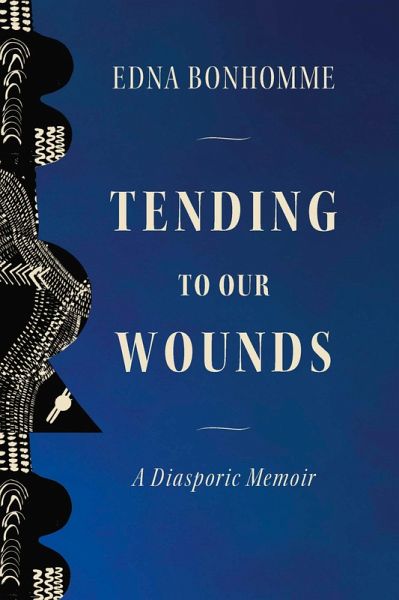
A transformational excavation of the deep wounds that racism and colonialism have left on Black people across borders, and an imaginative effort to care for oneself and one's community in its wake.
With astute insight and immersive prose, Bonhomme outlines a personal and political history of life in the United States, Haiti, and Germany, discovering what it means to be Black at home and abroad. She unlearns the lies that she was told about slavery and colonialism and explores how communities are resisting the weight of centuries of history.
Whether examining debt, medical racism, art,…mehr
- Geräte: eReader
- ohne Kopierschutz
- eBook Hilfe
Andere Kunden interessierten sich auch für
Ben SteinThe World According to Ben Stein (eBook, ePUB)16,95 €
John O. BrennanUndaunted (eBook, ePUB)7,99 €
William J. Vanden HeuvelHope and History (eBook, ePUB)10,95 €
Ben SteinThe Peacemaker (eBook, ePUB)15,95 €
Patrick JoyceGoing to My Father's House (eBook, ePUB)19,95 €
Tina NguyenThe MAGA Diaries (eBook, ePUB)13,84 €
Emerald GarnerFinding My Voice (eBook, ePUB)9,95 €-
-
-
A transformational excavation of the deep wounds that racism and colonialism have left on Black people across borders, and an imaginative effort to care for oneself and one's community in its wake.
With astute insight and immersive prose, Bonhomme outlines a personal and political history of life in the United States, Haiti, and Germany, discovering what it means to be Black at home and abroad. She unlearns the lies that she was told about slavery and colonialism and explores how communities are resisting the weight of centuries of history.
Whether examining debt, medical racism, art, or reparations, Tending to Our Wounds cuts a novel , breathtaking course between the past and the present, the individual and the collective-identifying the tendrils of history in the everyday and outlining a path to real freedom.
With astute insight and immersive prose, Bonhomme outlines a personal and political history of life in the United States, Haiti, and Germany, discovering what it means to be Black at home and abroad. She unlearns the lies that she was told about slavery and colonialism and explores how communities are resisting the weight of centuries of history.
Whether examining debt, medical racism, art, or reparations, Tending to Our Wounds cuts a novel , breathtaking course between the past and the present, the individual and the collective-identifying the tendrils of history in the everyday and outlining a path to real freedom.
Dieser Download kann aus rechtlichen Gründen nur mit Rechnungsadresse in A, D ausgeliefert werden.
Produktdetails
- Produktdetails
- Verlag: Haymarket Books
- Erscheinungstermin: 12. Mai 2026
- Englisch
- ISBN-13: 9798888906163
- Artikelnr.: 74971046
- Verlag: Haymarket Books
- Erscheinungstermin: 12. Mai 2026
- Englisch
- ISBN-13: 9798888906163
- Artikelnr.: 74971046
- Herstellerkennzeichnung Die Herstellerinformationen sind derzeit nicht verfügbar.
Edna Bonhomme is a critic, historian of science, and journalist. She earned a PhD in history from Princeton University and holds a Bachelor's degree in Biology and a Master's degree in Public Health from Columbia University. Her writing has appeared in The Atlantic, Esquire, The Guardian, London Review of Books, and The Nation. She is co-editor of After Sex, a literary anthology on abortion and reproductive justice, and the author of A History of the World in Six Plagues. Bonhomme has earned awards from the Andy Warhol Foundation and the Robert Silvers Foundation. She has lived in Berlin since 2017.
PROLOGUE
After a diagnosis of endometriosis and fibroids, Bonhomme contemplates the
geographical and activist directions her life has taken and outlines what
the book will be: a personal and political history of racism across
borders, and an exploration into the possibilities of racial repair.
PART I: BERLIN
Chapter 1: Ausländer
To be a Black person living in Germany, Bonhomme discovers, is to be both
visible and invisible.
Chapter 2: Kulturvölker
By examining German history, Bonhomme unravels the financial ties between
the Prussian Empire and the transatlantic slave trade, German colonialism
in Africa, and the new Black movement in Germany.
PART II: NEW YORK CITY
Chapter 3: Student
After moving to New York City shortly before the 2008 financial crash,
Bonhomme struggled to survive even as she began to discover the cultural
power of Harlem as a place of refuge and a site for vice.
Chapter 4: New Yorker
Diving deeper into the history of Harlem, Bonhomme details the Great
Migration, the Harlem Renaissance, and Pan-African debates during the civil
rights movement, showing how this New York City neighborhood was and
continues to be a haven for Black radicals.
Part III: DIASPORA
Chapter 5: Haiti
Bonhomme navigates through the complex inner workings of her parents'
migration and Haitian history.
Chapter 6: Living Under Occupation
Haiti and Haitians have been punished for their freedom, and the only way
forward is if France (and the United States) provide reparations to
Haitians.
PART IV: THE WOUND
Chapter 7: Sibling
Bonhomme's brother's mental health illness, incarceration, and life have
been shaped by growing up as a Black boy in Florida-and by the US
government's inclination to invest in prisons rather than mental health
institutions.
Chapter 8: Indebted
Debt perforates through our lives, affecting how we live, where we live,
and how we relate to each other, and it disproportionately cripples Black
women.
PART V: REPAIR
Chapter 9: Reckoning with History
Bonhomme parses the many layers of history that she has uncovered and
thinks about what the future could look like.
Chapter 10: The Case for Reparations
The call for reparations is not an abstract appeal: European and North
American nations must begin by paying Black people what they are owed, and
an internationalist approach is part of the reparative practice.
After a diagnosis of endometriosis and fibroids, Bonhomme contemplates the
geographical and activist directions her life has taken and outlines what
the book will be: a personal and political history of racism across
borders, and an exploration into the possibilities of racial repair.
PART I: BERLIN
Chapter 1: Ausländer
To be a Black person living in Germany, Bonhomme discovers, is to be both
visible and invisible.
Chapter 2: Kulturvölker
By examining German history, Bonhomme unravels the financial ties between
the Prussian Empire and the transatlantic slave trade, German colonialism
in Africa, and the new Black movement in Germany.
PART II: NEW YORK CITY
Chapter 3: Student
After moving to New York City shortly before the 2008 financial crash,
Bonhomme struggled to survive even as she began to discover the cultural
power of Harlem as a place of refuge and a site for vice.
Chapter 4: New Yorker
Diving deeper into the history of Harlem, Bonhomme details the Great
Migration, the Harlem Renaissance, and Pan-African debates during the civil
rights movement, showing how this New York City neighborhood was and
continues to be a haven for Black radicals.
Part III: DIASPORA
Chapter 5: Haiti
Bonhomme navigates through the complex inner workings of her parents'
migration and Haitian history.
Chapter 6: Living Under Occupation
Haiti and Haitians have been punished for their freedom, and the only way
forward is if France (and the United States) provide reparations to
Haitians.
PART IV: THE WOUND
Chapter 7: Sibling
Bonhomme's brother's mental health illness, incarceration, and life have
been shaped by growing up as a Black boy in Florida-and by the US
government's inclination to invest in prisons rather than mental health
institutions.
Chapter 8: Indebted
Debt perforates through our lives, affecting how we live, where we live,
and how we relate to each other, and it disproportionately cripples Black
women.
PART V: REPAIR
Chapter 9: Reckoning with History
Bonhomme parses the many layers of history that she has uncovered and
thinks about what the future could look like.
Chapter 10: The Case for Reparations
The call for reparations is not an abstract appeal: European and North
American nations must begin by paying Black people what they are owed, and
an internationalist approach is part of the reparative practice.
PROLOGUE
After a diagnosis of endometriosis and fibroids, Bonhomme contemplates the
geographical and activist directions her life has taken and outlines what
the book will be: a personal and political history of racism across
borders, and an exploration into the possibilities of racial repair.
PART I: BERLIN
Chapter 1: Ausländer
To be a Black person living in Germany, Bonhomme discovers, is to be both
visible and invisible.
Chapter 2: Kulturvölker
By examining German history, Bonhomme unravels the financial ties between
the Prussian Empire and the transatlantic slave trade, German colonialism
in Africa, and the new Black movement in Germany.
PART II: NEW YORK CITY
Chapter 3: Student
After moving to New York City shortly before the 2008 financial crash,
Bonhomme struggled to survive even as she began to discover the cultural
power of Harlem as a place of refuge and a site for vice.
Chapter 4: New Yorker
Diving deeper into the history of Harlem, Bonhomme details the Great
Migration, the Harlem Renaissance, and Pan-African debates during the civil
rights movement, showing how this New York City neighborhood was and
continues to be a haven for Black radicals.
Part III: DIASPORA
Chapter 5: Haiti
Bonhomme navigates through the complex inner workings of her parents'
migration and Haitian history.
Chapter 6: Living Under Occupation
Haiti and Haitians have been punished for their freedom, and the only way
forward is if France (and the United States) provide reparations to
Haitians.
PART IV: THE WOUND
Chapter 7: Sibling
Bonhomme's brother's mental health illness, incarceration, and life have
been shaped by growing up as a Black boy in Florida-and by the US
government's inclination to invest in prisons rather than mental health
institutions.
Chapter 8: Indebted
Debt perforates through our lives, affecting how we live, where we live,
and how we relate to each other, and it disproportionately cripples Black
women.
PART V: REPAIR
Chapter 9: Reckoning with History
Bonhomme parses the many layers of history that she has uncovered and
thinks about what the future could look like.
Chapter 10: The Case for Reparations
The call for reparations is not an abstract appeal: European and North
American nations must begin by paying Black people what they are owed, and
an internationalist approach is part of the reparative practice.
After a diagnosis of endometriosis and fibroids, Bonhomme contemplates the
geographical and activist directions her life has taken and outlines what
the book will be: a personal and political history of racism across
borders, and an exploration into the possibilities of racial repair.
PART I: BERLIN
Chapter 1: Ausländer
To be a Black person living in Germany, Bonhomme discovers, is to be both
visible and invisible.
Chapter 2: Kulturvölker
By examining German history, Bonhomme unravels the financial ties between
the Prussian Empire and the transatlantic slave trade, German colonialism
in Africa, and the new Black movement in Germany.
PART II: NEW YORK CITY
Chapter 3: Student
After moving to New York City shortly before the 2008 financial crash,
Bonhomme struggled to survive even as she began to discover the cultural
power of Harlem as a place of refuge and a site for vice.
Chapter 4: New Yorker
Diving deeper into the history of Harlem, Bonhomme details the Great
Migration, the Harlem Renaissance, and Pan-African debates during the civil
rights movement, showing how this New York City neighborhood was and
continues to be a haven for Black radicals.
Part III: DIASPORA
Chapter 5: Haiti
Bonhomme navigates through the complex inner workings of her parents'
migration and Haitian history.
Chapter 6: Living Under Occupation
Haiti and Haitians have been punished for their freedom, and the only way
forward is if France (and the United States) provide reparations to
Haitians.
PART IV: THE WOUND
Chapter 7: Sibling
Bonhomme's brother's mental health illness, incarceration, and life have
been shaped by growing up as a Black boy in Florida-and by the US
government's inclination to invest in prisons rather than mental health
institutions.
Chapter 8: Indebted
Debt perforates through our lives, affecting how we live, where we live,
and how we relate to each other, and it disproportionately cripples Black
women.
PART V: REPAIR
Chapter 9: Reckoning with History
Bonhomme parses the many layers of history that she has uncovered and
thinks about what the future could look like.
Chapter 10: The Case for Reparations
The call for reparations is not an abstract appeal: European and North
American nations must begin by paying Black people what they are owed, and
an internationalist approach is part of the reparative practice.