6,99 €
inkl. MwSt.
Sofort per Download lieferbar
0 °P sammeln

Andere Kunden interessierten sich auch für
 (eBook, ePUB)") Part 4, Dark Seduction: The Psychology of Toxic Attraction and Control (The Forbidden Mind Series, #4) (eBook, ePUB)12,99 €
Part 4, Dark Seduction: The Psychology of Toxic Attraction and Control (The Forbidden Mind Series, #4) (eBook, ePUB)12,99 € (eBook, ePUB)") Thawing Addiction - The Tip of the Iceberg (Thawing the Iceberg, #5) (eBook, ePUB)6,99 €
Thawing Addiction - The Tip of the Iceberg (Thawing the Iceberg, #5) (eBook, ePUB)6,99 € (eBook, ePUB)") Thawing Childhood Abandonment Issues (Thawing the Iceberg, #3) (eBook, ePUB)6,99 €
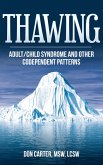
Thawing Childhood Abandonment Issues (Thawing the Iceberg, #3) (eBook, ePUB)6,99 € (eBook, ePUB)") Thawing Adult-Child Syndrome and Other Codependent Patterns (Thawing the Iceberg, #2) (eBook, ePUB)6,99 €
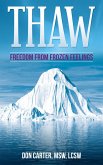
Thawing Adult-Child Syndrome and Other Codependent Patterns (Thawing the Iceberg, #2) (eBook, ePUB)6,99 € (eBook, ePUB)") Thaw - Freedom from Frozen Feelings (Thawing the Iceberg, #1) (eBook, ePUB)6,99 €
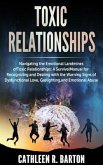
Thaw - Freedom from Frozen Feelings (Thawing the Iceberg, #1) (eBook, ePUB)6,99 €") Toxic relationships: Navigating the Emotional Landmines of Toxic Relationships (eBook, ePUB)3,99 €
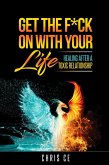
Toxic relationships: Navigating the Emotional Landmines of Toxic Relationships (eBook, ePUB)3,99 €") Get the F*ck On With Your Life: Healing After a Toxic Relationship (eBook, ePUB)5,49 €
Get the F*ck On With Your Life: Healing After a Toxic Relationship (eBook, ePUB)5,49 €
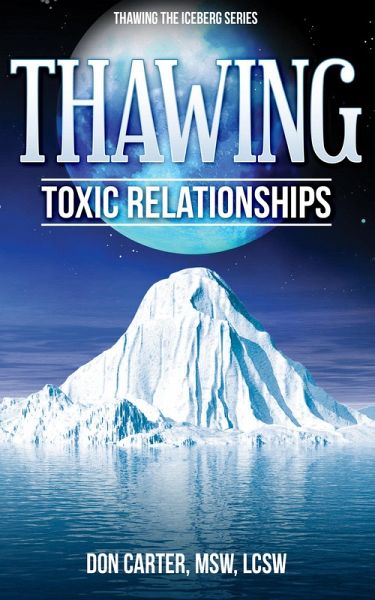
Thawing Toxic Relationships is a compassionate, practical guide for anyone who grew up in a dysfunctional or less-than-nurturing family system and now struggles to build or sustain healthy, connected, emotionally safe relationships. If you find yourself repeating painful patterns-choosing unsafe partners, feeling unheard, over-giving, withdrawing, or losing yourself in relationships-this book will help you understand why and chart a clear path toward change.
Growing up without secure emotional modeling often leads to deficits in communication, boundary-setting, emotional regulation, conflict repair, and healthy partner selection. These patterns are not character flaws-they are survival strategies learned early and carried into adulthood. Thawing Toxic Relationships helps you identify these patterns, understand the unmet needs behind them, and learn how to co-create relationships that are mutually supportive, balanced, and emotionally attuned.
This book builds on the foundation established in Thawing Adult/Child Syndrome, which focuses on healing your internal relationship with yourself. Once that groundwork is in place, Thawing Toxic Relationships helps you extend those new capacities into your relationships with others-romantic, family, and interpersonal. For those with deeper early wounds, the author also recommends beginning with Thawing Childhood Abandonment Issues or Thaw - Freedom from Frozen Feelings to support emotional readiness.
This edition includes access to a Bonus Download Page, available through a QR code and link inside the book, offering optional guided audios and resources designed to support emotional regulation and deepen the relational healing process.
Grounded in Carl Jung's belief that "One cannot have a healthy relationship with others until they first develop a healthy relationship with themselves," this book provides both insight and actionable tools for:
Whether you are beginning your healing journey or seeking deeper relational change, Thawing Toxic Relationships offers a structured, encouraging roadmap for transforming dysfunctional patterns and cultivating the healthy, fulfilling connections you deserve.
Growing up without secure emotional modeling often leads to deficits in communication, boundary-setting, emotional regulation, conflict repair, and healthy partner selection. These patterns are not character flaws-they are survival strategies learned early and carried into adulthood. Thawing Toxic Relationships helps you identify these patterns, understand the unmet needs behind them, and learn how to co-create relationships that are mutually supportive, balanced, and emotionally attuned.
This book builds on the foundation established in Thawing Adult/Child Syndrome, which focuses on healing your internal relationship with yourself. Once that groundwork is in place, Thawing Toxic Relationships helps you extend those new capacities into your relationships with others-romantic, family, and interpersonal. For those with deeper early wounds, the author also recommends beginning with Thawing Childhood Abandonment Issues or Thaw - Freedom from Frozen Feelings to support emotional readiness.
This edition includes access to a Bonus Download Page, available through a QR code and link inside the book, offering optional guided audios and resources designed to support emotional regulation and deepen the relational healing process.
Grounded in Carl Jung's belief that "One cannot have a healthy relationship with others until they first develop a healthy relationship with themselves," this book provides both insight and actionable tools for:
- Understanding toxic relational patterns
- Identifying emotional triggers and unmet childhood needs
- Strengthening communication and boundary skills
- Choosing safer, healthier partners
- Regulating emotional intensity (too numb or too reactive)
- Creating relationships rooted in mutual respect, authenticity, and growth
Whether you are beginning your healing journey or seeking deeper relational change, Thawing Toxic Relationships offers a structured, encouraging roadmap for transforming dysfunctional patterns and cultivating the healthy, fulfilling connections you deserve.
Dieser Download kann aus rechtlichen Gründen nur mit Rechnungsadresse in A, B, CY, CZ, D, DK, EW, E, FIN, F, GR, H, IRL, I, LT, L, LR, M, NL, PL, P, R, S, SLO, SK ausgeliefert werden.