0,49 €
0,49 €
inkl. MwSt.
Sofort per Download lieferbar

0 °P sammeln
0,49 €
Als Download kaufen
0,49 €
inkl. MwSt.
Sofort per Download lieferbar
0 °P sammeln
Jetzt verschenken
Alle Infos zum eBook verschenken
0,49 €
inkl. MwSt.
Sofort per Download lieferbar
Alle Infos zum eBook verschenken
0 °P sammeln

Andere Kunden interessierten sich auch für
") The Abbess Of Vlaye (eBook, ePUB)0,49 €
The Abbess Of Vlaye (eBook, ePUB)0,49 €") The Abbatial Crosier; or, Bonaik and Septimine. A Tale of a Medieval Abbess (eBook, ePUB)1,99 €
The Abbatial Crosier; or, Bonaik and Septimine. A Tale of a Medieval Abbess (eBook, ePUB)1,99 €") The Abbess of Whitby (eBook, ePUB)8,95 €
The Abbess of Whitby (eBook, ePUB)8,95 €") The City of Masks (eBook, ePUB)2,49 €
The City of Masks (eBook, ePUB)2,49 €") The Faith Doctor (eBook, ePUB)0,49 €
The Faith Doctor (eBook, ePUB)0,49 €") The Cromptons (eBook, ePUB)1,99 €
The Cromptons (eBook, ePUB)1,99 € Main Street (From: "The Snow Image and Other Twice-Told Tales") (eBook, ePUB)0,49 €



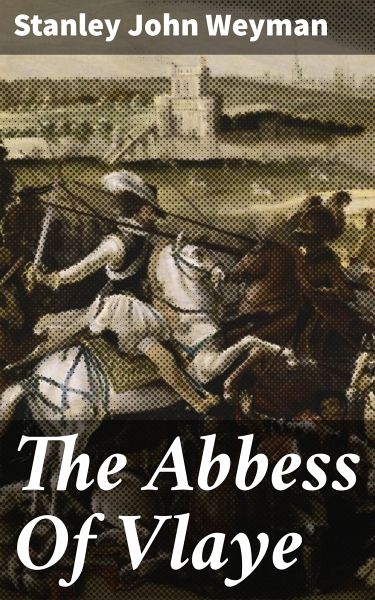
In "The Abbess of Vlaye," Stanley John Weyman delivers a rich tapestry of historical fiction set against the backdrop of 16th-century France. The novel intricately weaves themes of love, treachery, and redemption within the cloistered walls of a convent, revealing the struggles of its titular abbess as she navigates the treacherous waters of political intrigue and personal sacrifice. Weyman'Äôs prose is marked by its elegant style and vivid imagery, capturing the tumultuous spirit of the Renaissance and the complex interplay between religion and power. This narrative belongs within the broader context of late Victorian literature, which often grappled with the paradoxes of morality and sexuality in a rapidly changing world. Stanley John Weyman, often hailed as the 'Prince of Storytellers,' brings his expertise in historical narratives to bear in this gripping tale. A keen observer of human nature and the sociopolitical environment of his time, Weyman was influenced by his own travels across Europe and his deep-seated interest in history, leading him to craft stories that reflect both romanticism and realism. His ability to infuse relatable human emotion into historical events has cemented his place in the genre. "The Abbess of Vlaye" is a compelling read for anyone interested in the convergence of history and fiction, as well as those who appreciate a deep dive into the struggles of women in positions of authority. Weyman's masterful storytelling and nuanced character development make this book a must-read, as it not only entertains but also provokes thoughtful reflection on the complexities of faith, loyalty, and the human condition.
Dieser Download kann aus rechtlichen Gründen nur mit Rechnungsadresse in A, B, BG, CY, CZ, D, DK, EW, E, FIN, F, GR, H, IRL, I, LT, L, LR, M, NL, PL, P, R, S, SLO, SK ausgeliefert werden.