17,99 €
inkl. MwSt.
Sofort per Download lieferbar
0 °P sammeln

Andere Kunden interessierten sich auch für
") The Age of Sharing (eBook, ePUB)17,99 €
The Age of Sharing (eBook, ePUB)17,99 €") The Strategic Digital Media Entrepreneur (eBook, PDF)48,99 €
The Strategic Digital Media Entrepreneur (eBook, PDF)48,99 €") The Triumph of Profiling (eBook, PDF)16,99 €
The Triumph of Profiling (eBook, PDF)16,99 €") A Companion to Digital Art (eBook, PDF)42,99 €
A Companion to Digital Art (eBook, PDF)42,99 €") Machine Vision (eBook, PDF)16,99 €
Machine Vision (eBook, PDF)16,99 €") The Poetics of Digital Media (eBook, PDF)17,99 €
The Poetics of Digital Media (eBook, PDF)17,99 €") Digital Universe (eBook, PDF)50,99 €
Digital Universe (eBook, PDF)50,99 €







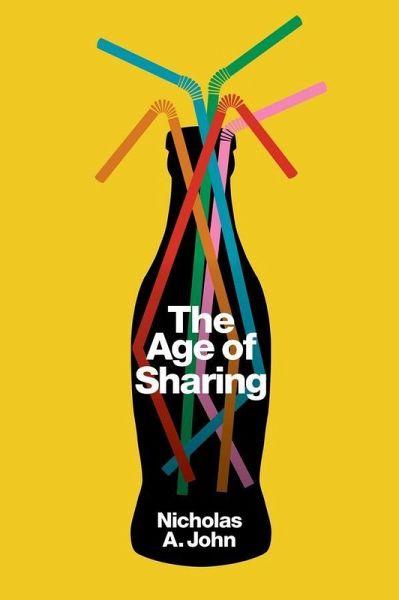
Sharing is central to how we live today: it is what we do online; it is a model of economic behaviour; and it is also a type of therapeutic talk. Sharing embodies positive values such as empathy, communication, fairness, openness and equality. The Age of Sharing shows how and when sharing became caring, and explains how its meanings have changed in the digital age. But the word ¿sharing¿ also camouflages commercial or even exploitative relations. Websites say they share data with advertisers, although in reality they sell it, while parts of the sharing economy look a great deal like rental services. Ultimately, it is argued, practices described as sharing and critiques of those practices have common roots. Consequently, the metaphor of sharing now constructs significant swathes of our social practices and provides the grounds for critiquing them; it is a mode of participation in the capitalist order as well as a way of resisting it. Drawing on nineteenth-century literature, Alcoholics Anonymous, the American counterculture, reality TV, hackers, Airbnb, Facebook and more, The Age of Sharing offers a rich account of a complex contemporary keyword. It will appeal to students and scholars of the internet, digital culture and linguistics.
Dieser Download kann aus rechtlichen Gründen nur mit Rechnungsadresse in D ausgeliefert werden.
"The Age of Sharing is an insightful and careful excavation of the concept and practice of sharing both material and immaterial things. It broadly interrogates primates and early humans to the latest social media and 'sharing' apps, for clues about our basic human nature."
Russell Belk, Schulich School of Business, York University
"The word 'sharing' has become so ubiquitous that we rarely stop to inquire into its meanings, let alone the ideological work it does in the diverse contexts of its use. John's engaging historical analysis of 'sharing' across three domains is essential reading, offering deep insight into the implicit values that shape our interactions and economies."
Nancy Baym, Principal Researcher at Microsoft Research
Russell Belk, Schulich School of Business, York University
"The word 'sharing' has become so ubiquitous that we rarely stop to inquire into its meanings, let alone the ideological work it does in the diverse contexts of its use. John's engaging historical analysis of 'sharing' across three domains is essential reading, offering deep insight into the implicit values that shape our interactions and economies."
Nancy Baym, Principal Researcher at Microsoft Research