9,95 €
9,95 €
inkl. MwSt.
Sofort per Download lieferbar

5 °P sammeln
9,95 €
Als Download kaufen
9,95 €
inkl. MwSt.
Sofort per Download lieferbar
5 °P sammeln
Jetzt verschenken
Alle Infos zum eBook verschenken
9,95 €
inkl. MwSt.
Sofort per Download lieferbar
Alle Infos zum eBook verschenken
5 °P sammeln

Andere Kunden interessierten sich auch für
") The Global Food Economy (eBook, ePUB)19,95 €
The Global Food Economy (eBook, ePUB)19,95 €") The Last Supper (eBook, ePUB)9,95 €
The Last Supper (eBook, ePUB)9,95 €") Food (eBook, ePUB)11,95 €
Food (eBook, ePUB)11,95 €") The Great Climate Robbery (eBook, ePUB)10,95 €
The Great Climate Robbery (eBook, ePUB)10,95 €") Acquired Tastes (eBook, ePUB)19,95 €
Acquired Tastes (eBook, ePUB)19,95 €") Food System Intermediaries (eBook, ePUB)35,95 €
Food System Intermediaries (eBook, ePUB)35,95 €") From Dirt to Medicine (eBook, ePUB)8,95 €
From Dirt to Medicine (eBook, ePUB)8,95 €


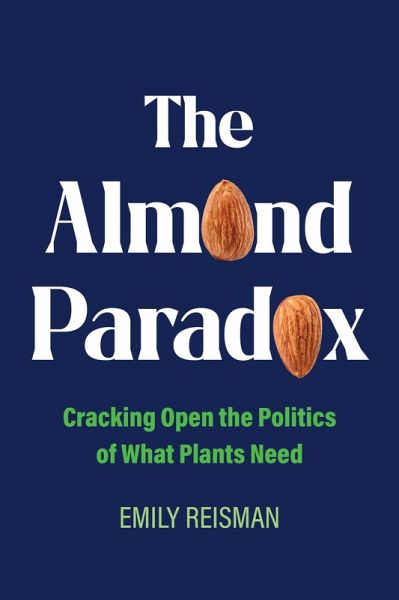
A free ebook version of this title is available through Luminos, University of California Press's Open Access publishing program. Visit www.luminosoa.org to learn more. Almonds have become a poster crop for agriculture's environmental controversies. Notorious for consuming vast volumes of water and trucking honeybees across the continent, California's almond orchards appear extraordinarily needy. In Spain, however, almond trees have long epitomized the exact opposite: rain-fed resilience. Often planted at the margins of agricultural viability, almonds are championed for their ecological thrift rather than their thirst. How is it that a crop can be known in such radically different ways? The Almond Paradox explores a captivating contrast between divergent ways of knowing not only how much water or pollination almond trees need, but also which trees should be grown and where. Charting the buildup to a global almond boom, the book exposes how situated histories of capitalism, land, science, and the state profoundly shape the most fundamental ways of understanding agriculture. A recognition of knowledge as place based further reveals how seemingly placeless efficiency deepens ecological precarity.
Dieser Download kann aus rechtlichen Gründen nur mit Rechnungsadresse in A, D ausgeliefert werden.