Sie sind bereits eingeloggt. Klicken Sie auf 2. tolino select Abo, um fortzufahren.
Bitte loggen Sie sich zunächst in Ihr Kundenkonto ein oder registrieren Sie sich bei bücher.de, um das eBook-Abo tolino select nutzen zu können.
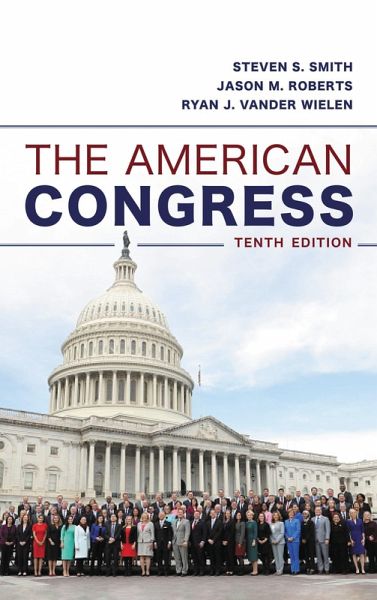
The tenth edition of this respected textbook provides a fresh perspective and a crisp introduction to congressional politics. Informed by the authors' Capitol Hill experience and scholarship, the new edition reflects changes in Congress resulting from the 2018 elections and such developments as (a) a new majority party in the House; (b) new campaign spending numbers and election outcomes, rules, committees, leaders, and budget developments; and (c) recent political science literature that provides new perspectives on the institution. The text emphasizes the recent developments and includes…mehr
The tenth edition of this respected textbook provides a fresh perspective and a crisp introduction to congressional politics. Informed by the authors' Capitol Hill experience and scholarship, the new edition reflects changes in Congress resulting from the 2018 elections and such developments as (a) a new majority party in the House; (b) new campaign spending numbers and election outcomes, rules, committees, leaders, and budget developments; and (c) recent political science literature that provides new perspectives on the institution. The text emphasizes the recent developments and includes important learning aids, including lists of key term, discussion questions and suggested further reading. Alongside clear explanations of congressional rules and the lawmaking process there are examples from contemporary events and debates that highlight Congress as a group of politicians as well as a lawmaking body.
Die Herstellerinformationen sind derzeit nicht verfügbar.
Autorenporträt
Steven S. Smith, Washington University, St Louis Steven S. Smith is a Professor of Political Science, the Kate M. Gregg Distinguished Professor of Social Science, and Director of the Murray Weidenbaum Center on the Economy, Government, and Public Policy at Washington University, St Louis. He has chaired the Legislative Studies Section of the American Political Science Association and has served on the editorial boards of the American Journal of Political Science, The Journal of Politics, and Legislative Studies Quarterly.
Inhaltsangabe
Preface Acknowledgments 1. The Troubled Congress Studying Congress A Partisan, Centralized Congress Will Polarized Parties, Centralized Decision Making, and Procedural Warfare Last Forever? An Unpopular Congress Other Trends in Congressional Politics The Changing Congress Key Terms Suggested Reading Discussion Questions 2. Representation and Lawmaking in Congress Models of Representation Models of Lawmaking Rules for Representation and Lawmaking in the Constitution Beyond the Constitution: The Development of Parties and Committees Conclusion Key Terms Suggested Reading Discussion Questions 3. Congressional Elections The Rules Governing Congressional Elections The Constitution: Eligibility, Voting Rights, and Chamber Size Federal Law: Apportionment and Campaign Finance State Law: Redistricting and Primaries Election Practice Reform Variations in the Incumbency Advantage Biased Campaign Funding Nationalization of Congressional Elections Midterm Elections Conclusion Key Terms Suggested Reading Discussion Questions 4. Members, Goals, Resources, and Strategies Members' Goals Members' Resources Influences on Members Choosing Strategies Legislative Styles Conclusion Key Terms Suggested Reading Discussion Questions 5. Parties and Leaders The Nature of Congressional Parties. Factions Within Congressional Parties Party Organizations Party Leaders House Party Leaders Senate Party Leaders Party Leaders' Resources Term Limits for Party Leaders Congressional Leaders and Presidential Succession A New Party Era Conclusion Key Terms Suggested Reading Discussion Questions 6. The Committee System Types of Committees The Nature of Congressional Committees The Power of Modern Committees Declining Committee Autonomy Committee Membership Committee Leaders Conclusion Key Terms Suggested Reading Discussion Questions 7. The Rules of the Legislative Game Legislative Rules in Perspective Beyond the Constitution: House and Senate Rules The Standard Legislative Process Introduction of Legislation Referral to Committee Committee Action Circumventing Committees Floor Scheduling Floor Consideration Resolving Differences Between Chambers House and Senate Rules Compared Authorizing and Appropriating Evolution of the Legislative Process Conclusion Key Terms Suggested Reading Discussion Questions 8. The Rules of the Game: The Budget Process Overview of the Federal Budget Creating a Congressional Budget Process: 1974 The Pliable Budget Process The Multiple Legislative Personalities of Tax Legislation The Multiple Legislative Personalities of Spending Bills The Battle over Earmarks Conclusion Key Terms Suggested Reading Discussion Questions 9. The Floor and Voting Voting Procedure Analyzing Votes Conclusion Key Terms Discussion Questions Suggested Reading 10. Congress and the President The President as a Legislative Player Presidents' Strategies Presidential Resources Congressional Resources and Strategies Ideological Outlook The Divided-Government Debate Conclusion Key Terms Suggested Reading Discussion Questions Chapter 11. Congress and the Courts Courts as Umpires Judges as Policy Makers Congressional Resources and Strategies Conclusion Key Terms Suggested Reading Discussion Questions 12. Congress, Lobbyists, and Interest Groups The Expanding Community of Lobbyists and Interest Groups Developments in Interest Group Strategies Inside Lobbying Regulating Lobbying Members' Groups and Legislative Service Organizations The Influence of Lobbyists and Interest Groups Conclusion Key Terms Suggested Reading Discussion Questions Appendix Index
Preface Acknowledgments 1. The Troubled Congress Studying Congress A Partisan, Centralized Congress Will Polarized Parties, Centralized Decision Making, and Procedural Warfare Last Forever? An Unpopular Congress Other Trends in Congressional Politics The Changing Congress Key Terms Suggested Reading Discussion Questions 2. Representation and Lawmaking in Congress Models of Representation Models of Lawmaking Rules for Representation and Lawmaking in the Constitution Beyond the Constitution: The Development of Parties and Committees Conclusion Key Terms Suggested Reading Discussion Questions 3. Congressional Elections The Rules Governing Congressional Elections The Constitution: Eligibility, Voting Rights, and Chamber Size Federal Law: Apportionment and Campaign Finance State Law: Redistricting and Primaries Election Practice Reform Variations in the Incumbency Advantage Biased Campaign Funding Nationalization of Congressional Elections Midterm Elections Conclusion Key Terms Suggested Reading Discussion Questions 4. Members, Goals, Resources, and Strategies Members' Goals Members' Resources Influences on Members Choosing Strategies Legislative Styles Conclusion Key Terms Suggested Reading Discussion Questions 5. Parties and Leaders The Nature of Congressional Parties. Factions Within Congressional Parties Party Organizations Party Leaders House Party Leaders Senate Party Leaders Party Leaders' Resources Term Limits for Party Leaders Congressional Leaders and Presidential Succession A New Party Era Conclusion Key Terms Suggested Reading Discussion Questions 6. The Committee System Types of Committees The Nature of Congressional Committees The Power of Modern Committees Declining Committee Autonomy Committee Membership Committee Leaders Conclusion Key Terms Suggested Reading Discussion Questions 7. The Rules of the Legislative Game Legislative Rules in Perspective Beyond the Constitution: House and Senate Rules The Standard Legislative Process Introduction of Legislation Referral to Committee Committee Action Circumventing Committees Floor Scheduling Floor Consideration Resolving Differences Between Chambers House and Senate Rules Compared Authorizing and Appropriating Evolution of the Legislative Process Conclusion Key Terms Suggested Reading Discussion Questions 8. The Rules of the Game: The Budget Process Overview of the Federal Budget Creating a Congressional Budget Process: 1974 The Pliable Budget Process The Multiple Legislative Personalities of Tax Legislation The Multiple Legislative Personalities of Spending Bills The Battle over Earmarks Conclusion Key Terms Suggested Reading Discussion Questions 9. The Floor and Voting Voting Procedure Analyzing Votes Conclusion Key Terms Discussion Questions Suggested Reading 10. Congress and the President The President as a Legislative Player Presidents' Strategies Presidential Resources Congressional Resources and Strategies Ideological Outlook The Divided-Government Debate Conclusion Key Terms Suggested Reading Discussion Questions Chapter 11. Congress and the Courts Courts as Umpires Judges as Policy Makers Congressional Resources and Strategies Conclusion Key Terms Suggested Reading Discussion Questions 12. Congress, Lobbyists, and Interest Groups The Expanding Community of Lobbyists and Interest Groups Developments in Interest Group Strategies Inside Lobbying Regulating Lobbying Members' Groups and Legislative Service Organizations The Influence of Lobbyists and Interest Groups Conclusion Key Terms Suggested Reading Discussion Questions Appendix Index
Es gelten unsere Allgemeinen Geschäftsbedingungen: www.buecher.de/agb
Impressum
www.buecher.de ist ein Internetauftritt der buecher.de internetstores GmbH
Geschäftsführung: Monica Sawhney | Roland Kölbl | Günter Hilger
Sitz der Gesellschaft: Batheyer Straße 115 - 117, 58099 Hagen
Postanschrift: Bürgermeister-Wegele-Str. 12, 86167 Augsburg
Amtsgericht Hagen HRB 13257
Steuernummer: 321/5800/1497
USt-IdNr: DE450055826