8,99 €
inkl. MwSt.
Sofort per Download lieferbar
0 °P sammeln

Andere Kunden interessierten sich auch für
 (eBook, ePUB)") The Overthrow of Principalities And Powers (The conflict between God and Satan, #3) (eBook, ePUB)4,49 €
The Overthrow of Principalities And Powers (The conflict between God and Satan, #3) (eBook, ePUB)4,49 € (eBook, ePUB)") The fallen (The Rebellion of Sakla, #3) (eBook, ePUB)8,49 €
The fallen (The Rebellion of Sakla, #3) (eBook, ePUB)8,49 € (eBook, ePUB)") Renversement des Principautés et des Autorités (Le conflit entre Dieu et Satan, #3) (eBook, ePUB)4,49 €
Renversement des Principautés et des Autorités (Le conflit entre Dieu et Satan, #3) (eBook, ePUB)4,49 €") What were The Watchers? Discover the Truth! (eBook, ePUB)7,49 €
What were The Watchers? Discover the Truth! (eBook, ePUB)7,49 €") The Illusion: Is Earth Actually Hell? (eBook, ePUB)3,49 €
The Illusion: Is Earth Actually Hell? (eBook, ePUB)3,49 €") Demonic Foes (eBook, ePUB)9,99 €
Demonic Foes (eBook, ePUB)9,99 €") The Truth About Demons and Demonic Possessions (eBook, ePUB)3,49 €
The Truth About Demons and Demonic Possessions (eBook, ePUB)3,49 €






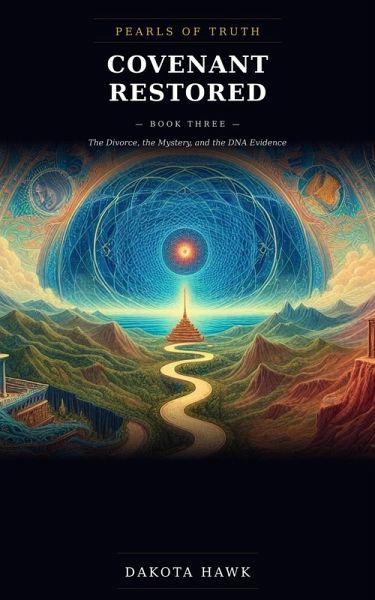
What if the most important legal document in history wasn't the Constitution or the Magna Carta-but a marriage contract signed at the foot of a smoking mountain?
At Sinai, something unprecedented occurred. YHVH didn't merely give Israel laws-He married her. The Ten Commandments weren't arbitrary rules; they were wedding vows. The covenant ceremony included all the elements of ancient Near Eastern marriage: the proposal, the acceptance, the vows, the blood ratification, the wedding meal in the presence of God. Israel became the Bride of the Almighty.
But the Bride was unfaithful.
The prophets don't speak in metaphor when they call Israel an adulteress. They're describing legal reality. Ezekiel 16 and 23 detail the graphic betrayal. Jeremiah 3 records the divorce decree. Hosea lives out the tragedy in his own marriage. The Northern Kingdom-the ten tribes called "Israel"-was formally divorced and scattered among the nations. The marriage was legally terminated.
This creates an insurmountable problem.
Deuteronomy 24 explicitly forbids a man from remarrying a wife he has divorced after she has been with another. The Law that YHVH gave cannot be violated by YHVH Himself. His integrity, His justice, His very nature stands behind every word. If Israel is divorced and has "played the harlot with many lovers," how can she ever return? The Law seems to make restoration impossible.
Enter Romans 7.
Paul's argument in Romans 7:1-6 isn't abstract theology-it's the solution to this legal nightmare. "The law has dominion over a man as long as he lives," Paul writes. A married woman is bound by law to her husband while he lives. But if the husband dies, she is released from the law of her husband and is free to marry another.
The implications are staggering.
For Israel to be free from the legal barrier of Deuteronomy 24, her Husband had to die. This is why the Incarnation was necessary. This is why God had to become flesh. This is why Yeshua had to be fully YHVH and fully man. The Creator entered His creation, took on human form, and died-not merely to pay for sins, but to legally release His divorced Bride from the law that prevented remarriage.
The resurrection completes the legal mechanism.
Having died, the Husband satisfied the Law's requirements. Having risen, He is now free to remarry His Bride without violating Deuteronomy 24. The death and resurrection weren't just about individual salvation-they were about covenant restoration. The scattered tribes, lost among the nations for centuries, can now return to their Husband. The marriage can be renewed. The covenant is restored.
This volume traces this legal mechanism through Scripture with precision. We examine how the two kingdoms-Israel and Judah-have different covenant histories and different prophetic destinies. We explore why Judah was never divorced while Israel was. We investigate the "two sisters" theology of Ezekiel 23 and its implications for understanding who the Bride really is.
The information war comes into focus here. If the adversary could obscure this legal mechanism-if he could reduce the gospel to mere fire insurance, individual salvation disconnected from covenant history-he could keep the Bride from recognizing her identity and returning to her Husband. The scattered tribes would remain scattered, unaware of who they are or what awaits them.
The Ancient Rebellion, Part II pulls back the veil on the covenant solution hidden in plain sight. The wedding at Sinai. The adultery. The divorce. The legal barrier. The death that sets free. The resurrection that enables remarriage.
The Bridegroom came for His Bride. The question is whether she will recognize Him-and remember who she is.
At Sinai, something unprecedented occurred. YHVH didn't merely give Israel laws-He married her. The Ten Commandments weren't arbitrary rules; they were wedding vows. The covenant ceremony included all the elements of ancient Near Eastern marriage: the proposal, the acceptance, the vows, the blood ratification, the wedding meal in the presence of God. Israel became the Bride of the Almighty.
But the Bride was unfaithful.
The prophets don't speak in metaphor when they call Israel an adulteress. They're describing legal reality. Ezekiel 16 and 23 detail the graphic betrayal. Jeremiah 3 records the divorce decree. Hosea lives out the tragedy in his own marriage. The Northern Kingdom-the ten tribes called "Israel"-was formally divorced and scattered among the nations. The marriage was legally terminated.
This creates an insurmountable problem.
Deuteronomy 24 explicitly forbids a man from remarrying a wife he has divorced after she has been with another. The Law that YHVH gave cannot be violated by YHVH Himself. His integrity, His justice, His very nature stands behind every word. If Israel is divorced and has "played the harlot with many lovers," how can she ever return? The Law seems to make restoration impossible.
Enter Romans 7.
Paul's argument in Romans 7:1-6 isn't abstract theology-it's the solution to this legal nightmare. "The law has dominion over a man as long as he lives," Paul writes. A married woman is bound by law to her husband while he lives. But if the husband dies, she is released from the law of her husband and is free to marry another.
The implications are staggering.
For Israel to be free from the legal barrier of Deuteronomy 24, her Husband had to die. This is why the Incarnation was necessary. This is why God had to become flesh. This is why Yeshua had to be fully YHVH and fully man. The Creator entered His creation, took on human form, and died-not merely to pay for sins, but to legally release His divorced Bride from the law that prevented remarriage.
The resurrection completes the legal mechanism.
Having died, the Husband satisfied the Law's requirements. Having risen, He is now free to remarry His Bride without violating Deuteronomy 24. The death and resurrection weren't just about individual salvation-they were about covenant restoration. The scattered tribes, lost among the nations for centuries, can now return to their Husband. The marriage can be renewed. The covenant is restored.
This volume traces this legal mechanism through Scripture with precision. We examine how the two kingdoms-Israel and Judah-have different covenant histories and different prophetic destinies. We explore why Judah was never divorced while Israel was. We investigate the "two sisters" theology of Ezekiel 23 and its implications for understanding who the Bride really is.
The information war comes into focus here. If the adversary could obscure this legal mechanism-if he could reduce the gospel to mere fire insurance, individual salvation disconnected from covenant history-he could keep the Bride from recognizing her identity and returning to her Husband. The scattered tribes would remain scattered, unaware of who they are or what awaits them.
The Ancient Rebellion, Part II pulls back the veil on the covenant solution hidden in plain sight. The wedding at Sinai. The adultery. The divorce. The legal barrier. The death that sets free. The resurrection that enables remarriage.
The Bridegroom came for His Bride. The question is whether she will recognize Him-and remember who she is.
Dieser Download kann aus rechtlichen Gründen nur mit Rechnungsadresse in A, B, CY, CZ, D, DK, EW, E, FIN, F, GR, H, IRL, I, LT, L, LR, M, NL, PL, P, R, S, SLO, SK ausgeliefert werden.