80,95 €
80,95 €
inkl. MwSt.
Erscheint vor. 22.01.26

40 °P sammeln
80,95 €
Als Download kaufen
80,95 €
inkl. MwSt.
Erscheint vor. 22.01.26
40 °P sammeln
Jetzt verschenken
Alle Infos zum eBook verschenken
80,95 €
inkl. MwSt.
Erscheint vor. 22.01.26
Alle Infos zum eBook verschenken
40 °P sammeln

Andere Kunden interessierten sich auch für
") Mary Shepherd (eBook, PDF)9,95 €
Mary Shepherd (eBook, PDF)9,95 €") The Moral Psychology of Gratitude (eBook, PDF)31,95 €
The Moral Psychology of Gratitude (eBook, PDF)31,95 €") Embodied Humanism (eBook, PDF)68,95 €
Embodied Humanism (eBook, PDF)68,95 €") The Kuhnian Image of Science (eBook, PDF)27,95 €
The Kuhnian Image of Science (eBook, PDF)27,95 €") Humankind and Humanity in the Philosophy of the Enlightenment (eBook, PDF)70,95 €
Humankind and Humanity in the Philosophy of the Enlightenment (eBook, PDF)70,95 €") Amalia Holst: On the Vocation of Woman to Higher Intellectual Education (eBook, PDF)41,95 €
Amalia Holst: On the Vocation of Woman to Higher Intellectual Education (eBook, PDF)41,95 €") The Metaphysics of the Material World (eBook, PDF)39,95 €
The Metaphysics of the Material World (eBook, PDF)39,95 €




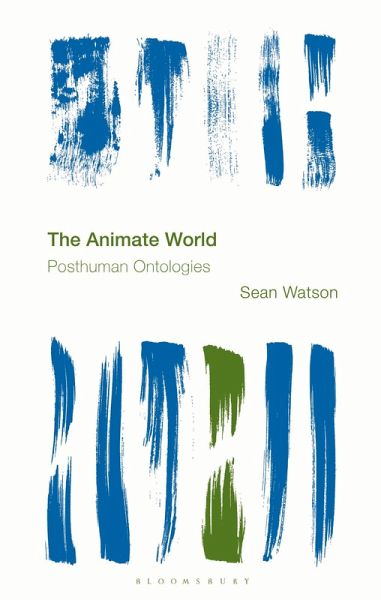
The Animate World: Posthuman Ontologies argues for the necessity of a post-humanism grounded in a vital ontology, in contrast to the nihilist ontological positions and assumptions of a range of existing post and anti-humanisms.
Still, the book affirms both the normative imperative and technological tendency that humanism is unsustainable and that technological developments are cumulatively pointing towards a surpassing of the human, conceptually and physically. Based in process philosophy, the post-human ontology is offered as an alternative philosophical grounding for post-humanism for an ethics and politics of ecological flourishing rather than exploitation of nature. Sean Watson critiques the existing nihilist ontological approaches to the post-human, which he argues are complicit with neoliberal, digital capitalism and its ideological justifications. In doing so, he conceives of an ontology of generative ethics and politics, capable of addressing the overwhelming accumulation of crises that Bernard Stiegler identified as the destruction of the future.
Still, the book affirms both the normative imperative and technological tendency that humanism is unsustainable and that technological developments are cumulatively pointing towards a surpassing of the human, conceptually and physically. Based in process philosophy, the post-human ontology is offered as an alternative philosophical grounding for post-humanism for an ethics and politics of ecological flourishing rather than exploitation of nature. Sean Watson critiques the existing nihilist ontological approaches to the post-human, which he argues are complicit with neoliberal, digital capitalism and its ideological justifications. In doing so, he conceives of an ontology of generative ethics and politics, capable of addressing the overwhelming accumulation of crises that Bernard Stiegler identified as the destruction of the future.