33,95 €
33,95 €
inkl. MwSt.
Sofort per Download lieferbar

17 °P sammeln
33,95 €
Als Download kaufen
33,95 €
inkl. MwSt.
Sofort per Download lieferbar
17 °P sammeln
Jetzt verschenken
Alle Infos zum eBook verschenken
33,95 €
inkl. MwSt.
Sofort per Download lieferbar
Alle Infos zum eBook verschenken
17 °P sammeln

Andere Kunden interessierten sich auch für
") The Art of Anatheism (eBook, PDF)33,95 €
The Art of Anatheism (eBook, PDF)33,95 €") The Wisdom to Doubt (eBook, ePUB)9,95 €
The Wisdom to Doubt (eBook, ePUB)9,95 €") Multiverse Deism (eBook, ePUB)28,95 €
Multiverse Deism (eBook, ePUB)28,95 €") A Nondualistic Pentecostal Theology (eBook, ePUB)65,95 €
A Nondualistic Pentecostal Theology (eBook, ePUB)65,95 €") Reading Religious Ritual with Ricoeur (eBook, ePUB)76,95 €
Reading Religious Ritual with Ricoeur (eBook, ePUB)76,95 €") Healing All Creation (eBook, ePUB)23,95 €
Healing All Creation (eBook, ePUB)23,95 €") Mysticism and Materialism in the Wake of German Idealism (eBook, ePUB)39,95 €
Mysticism and Materialism in the Wake of German Idealism (eBook, ePUB)39,95 €

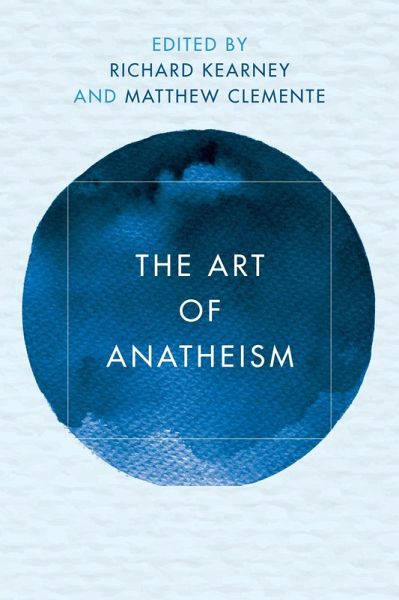
Theopoetics names the notion that the divine (theos) manifests itself as creative making (poiesis). Anatheism expresses the attendant claim that this making takes the form of a second creation - re-creation or creation again (ana) - where humanity and divinity collaborate in the coming of the Kingdom. The Art of Anatheism brings together philosophers, theologians, and artists to open up the question of the relationship between artistic creation and the divine.
The book asks the question - how can God happen again after the death of God? It answers it by proposing an 'art of anatheism' which attends to the recreation and return of the divine through certain forms of literature, painting, liturgy, music, and performance. Engaging students, scholars, and interested readers across a wide range of disciplines - philosophy, theology, aesthetics, literary criticism, poetics - the volume includes contributions from both practising artists and professional academics. As such it brings together examples from ancient religious wisdom traditions and cutting-edge contemporary cultural practices to suggest that the sacred is often most potent and persuasive when recreating the everyday world of our secular experience.
The book asks the question - how can God happen again after the death of God? It answers it by proposing an 'art of anatheism' which attends to the recreation and return of the divine through certain forms of literature, painting, liturgy, music, and performance. Engaging students, scholars, and interested readers across a wide range of disciplines - philosophy, theology, aesthetics, literary criticism, poetics - the volume includes contributions from both practising artists and professional academics. As such it brings together examples from ancient religious wisdom traditions and cutting-edge contemporary cultural practices to suggest that the sacred is often most potent and persuasive when recreating the everyday world of our secular experience.