39,95 €
inkl. MwSt.
Sofort per Download lieferbar
20 °P sammeln

Andere Kunden interessierten sich auch für
") The Bioarchaeology of Mummies (eBook, PDF)38,95 €
The Bioarchaeology of Mummies (eBook, PDF)38,95 €") Prehistoric Hunter-Gatherers of the High Plains and Rockies (eBook, PDF)39,95 €
Prehistoric Hunter-Gatherers of the High Plains and Rockies (eBook, PDF)39,95 €") Bioarchaeology (eBook, PDF)39,95 €
Bioarchaeology (eBook, PDF)39,95 €") Bioarchaeology (eBook, PDF)38,95 €
Bioarchaeology (eBook, PDF)38,95 €") Archaeology and Bioarchaeology of Population Movement among the Prehispanic Maya (eBook, PDF)40,95 €
Archaeology and Bioarchaeology of Population Movement among the Prehispanic Maya (eBook, PDF)40,95 €") New Developments in the Bioarchaeology of Care (eBook, PDF)88,95 €
New Developments in the Bioarchaeology of Care (eBook, PDF)88,95 €") Landscape and Land Use in First Millennium BC Southeast Italy (eBook, PDF)42,95 €
Landscape and Land Use in First Millennium BC Southeast Italy (eBook, PDF)42,95 €



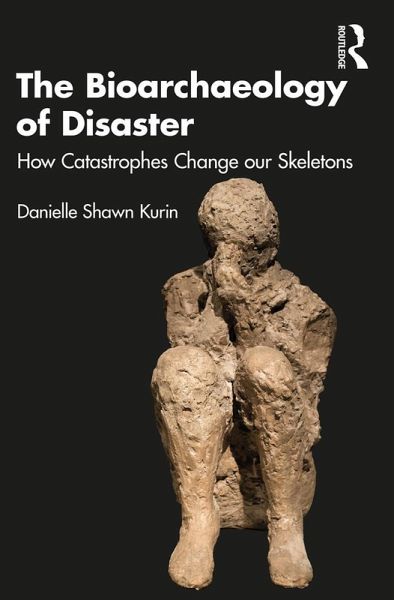
The Bioarchaeology of Disaster examines two dozen disasters occurring around the world over the past 2000 years, ranging from natural and environmental disasters to human conflict and warfare, from epidemics to those of social marginalization-all from a bioarchaeological and forensic anthropological perspective.
Each case study provides the social, cultural, historical and ecological context of the disaster and then analyzes evidence of human and related remains in order to better understand the identities of victims, the means, processes, and extent of deaths and injuries. The methods used by specialists to interpret evidence and disagreements among experts are also addressed. It will be helpful in understanding the circumstances of a range of disasters and the multidisciplinary ways in which bioarchaeologists employ empirical methods and analytic frameworks to interpret their impacts and consequences.
The book is intended for those in the social and biological sciences, particularly archaeology, forensics, history and ethnography. It will also be of interest to those in medical history and epidemiology, ecological studies, and those involved in disaster response, law enforcement and human rights work.
Each case study provides the social, cultural, historical and ecological context of the disaster and then analyzes evidence of human and related remains in order to better understand the identities of victims, the means, processes, and extent of deaths and injuries. The methods used by specialists to interpret evidence and disagreements among experts are also addressed. It will be helpful in understanding the circumstances of a range of disasters and the multidisciplinary ways in which bioarchaeologists employ empirical methods and analytic frameworks to interpret their impacts and consequences.
The book is intended for those in the social and biological sciences, particularly archaeology, forensics, history and ethnography. It will also be of interest to those in medical history and epidemiology, ecological studies, and those involved in disaster response, law enforcement and human rights work.
Dieser Download kann aus rechtlichen Gründen nur mit Rechnungsadresse in A, B, BG, CY, CZ, D, DK, EW, E, FIN, F, GR, HR, H, IRL, I, LT, L, LR, M, NL, PL, P, R, S, SLO, SK ausgeliefert werden.