Eugénia Da Condeição-Heldt
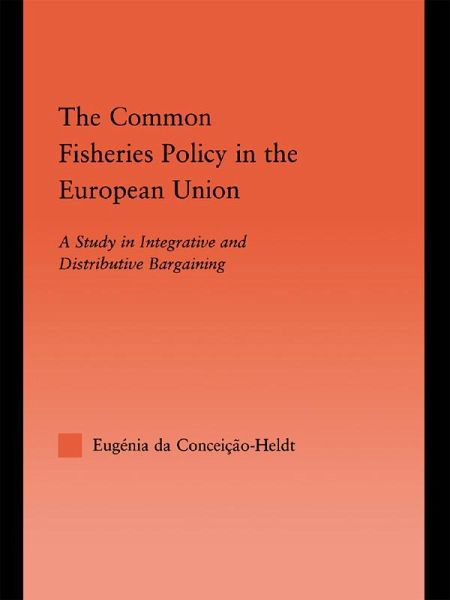
The Common Fisheries Policy in the European Union (eBook, PDF)
A Study in Integrative and Distributive Bargaining
27,95 €
27,95 €
inkl. MwSt.
Sofort per Download lieferbar

14 °P sammeln
27,95 €
Als Download kaufen
27,95 €
inkl. MwSt.
Sofort per Download lieferbar
14 °P sammeln
Jetzt verschenken
Alle Infos zum eBook verschenken
27,95 €
inkl. MwSt.
Sofort per Download lieferbar
Alle Infos zum eBook verschenken
14 °P sammeln

Eugénia Da Condeição-Heldt
The Common Fisheries Policy in the European Union (eBook, PDF)
A Study in Integrative and Distributive Bargaining
- Format: PDF
- Merkliste
- Auf die Merkliste
- Bewerten Bewerten
- Teilen
- Produkt teilen
- Produkterinnerung
- Produkterinnerung

Bitte loggen Sie sich zunächst in Ihr Kundenkonto ein oder registrieren Sie sich bei
bücher.de, um das eBook-Abo tolino select nutzen zu können.
Hier können Sie sich einloggen
Sie sind bereits eingeloggt. Klicken Sie auf 2. tolino select Abo, um fortzufahren.

Bitte loggen Sie sich zunächst in Ihr Kundenkonto ein oder registrieren Sie sich bei bücher.de, um das eBook-Abo tolino select nutzen zu können.
The purpose of this book is neither to duplicate overviews of the Common Fisheries Policy (CFP) nor to recapitulate narrative treatments of the European integration process. The aim is to comprehend how EU negotiations work theoretically and empirically so that a conceptual framework for analyzing EU international negotiations will be provided and juxtaposed to two key negotiations leading to the establishment of the CFP.
- Geräte: PC
- mit Kopierschutz
- eBook Hilfe
- Größe: 1.56MB
Andere Kunden interessierten sich auch für
Giuseppe AcconciaThe Arab Uprisings (eBook, PDF)73,95 €
New Geographies of the Globalized World (eBook, PDF)41,95 €
Gayle MunroTransnationalism, Diaspora and Migrants from the former Yugoslavia in Britain (eBook, PDF)22,95 €
Eugénia Da Condeição-HeldtThe Common Fisheries Policy in the European Union (eBook, ePUB)27,95 €
Doreen MasseyPolitics and Method (eBook, PDF)46,95 €
John AgnewMastering Space (eBook, PDF)73,95 €
Allan M. FindlayThe Arab World (eBook, PDF)21,95 €-
-
-
The purpose of this book is neither to duplicate overviews of the Common Fisheries Policy (CFP) nor to recapitulate narrative treatments of the European integration process. The aim is to comprehend how EU negotiations work theoretically and empirically so that a conceptual framework for analyzing EU international negotiations will be provided and juxtaposed to two key negotiations leading to the establishment of the CFP.
Dieser Download kann aus rechtlichen Gründen nur mit Rechnungsadresse in A, B, BG, CY, CZ, D, DK, EW, E, FIN, F, GR, HR, H, IRL, I, LT, L, LR, M, NL, PL, P, R, S, SLO, SK ausgeliefert werden.
Produktdetails
- Produktdetails
- Verlag: Taylor & Francis eBooks
- Seitenzahl: 146
- Erscheinungstermin: 1. März 2004
- Englisch
- ISBN-13: 9781135933128
- Artikelnr.: 43072946
- Verlag: Taylor & Francis eBooks
- Seitenzahl: 146
- Erscheinungstermin: 1. März 2004
- Englisch
- ISBN-13: 9781135933128
- Artikelnr.: 43072946
- Herstellerkennzeichnung Die Herstellerinformationen sind derzeit nicht verfügbar.
Eugénia da Conceição-Heldt is Professor of International Politics at the Institut of Political Science at the University of Dresden.
Introduction: Analysing Negotiations in the European Union 1. Finding a
Starting-Point: The EU as a Negotiating Polity 2. Methodological Problems
when Analysing Negotiations in the EU 3. The Role of Theory in Political
Science 4. Searching for Theoretical Conceptualisations of the EU
Bargaining Game 5. The Need for a Multi-Theoretical Approach in the
Analysis of Negotiations in the EU 6. The Road to New Findings I. The
Settlement of the Common Fisheries Policy: Trying to Cope with a Changing
Environment 1. Some Basic Facts: The Four Pillars of the Common Fisheries
Policy 2. Explaining the Policy Transfer to the EU 3. The Open Access
Character of Fisheries and the Overexploitation of Resources 4. The
"Tragedy of the Commons" Applied to Fisheries 5. The State of the Art in
the Common Fisheries Policy II. Constructing a Springboard: A Conceptual
Framework for Analysing Negotiations in the EU 1. Setting the Stage 2.
Defining the Players: Council-Commission Tandem or the Complexity of
Principal-Agents Relations 3. Defining Actors' Preferences 4. The
Institutional Setting: Formal and Informal Rules 5. The Empirical Analysis:
Bargaining Games and Single-Peaked Preferences III. Actors' Preferences and
the Institutional Setting in Action: An Integrative Bargaining Game 1.
Negotiations in the EU as a Co-operative Game in Practice 2. The
Negotiations on the Settlement of the Structural Policy and of the Common
Market Organization 3. Explaining the Bargaining Outcome:
Coalition-Building and Issue Linkage IV. Actors' Preferences and the
Institutional Setting in Action: A Distributive Bargaining Game 1. The
Settlement of the Conservation and Management Policy: The Acrimonious
Negotiations on How to Divide the Fisheries Resources 2. Member States'
Negotiating Positions: Restricted or Unrestricted Application of the Equal
Access Principle 3. The Preference of the European Commission: The
Importance of Having a Quota System 4. The Negotiating Process: When
Actors' Preferences and the Institutional Setting Meet 5. Explaining the
Bargaining Outcome: Side-payments and the Shadow of the Future 6. Relaxing
the Unanimity Voting Rule in Fisheries: A Short Intermezzo on Showing
Dissatisfaction with the EU System V. Conclusion, or Drawing the Threads
Together 1. Conclusions: The Three Findings 2. Preferences of Member States
Matter 3. Preferences of the Commission Matter 4. The Institutional Setting
Matters 5. Some Generalizations about the Negotiation Process in the EU
Starting-Point: The EU as a Negotiating Polity 2. Methodological Problems
when Analysing Negotiations in the EU 3. The Role of Theory in Political
Science 4. Searching for Theoretical Conceptualisations of the EU
Bargaining Game 5. The Need for a Multi-Theoretical Approach in the
Analysis of Negotiations in the EU 6. The Road to New Findings I. The
Settlement of the Common Fisheries Policy: Trying to Cope with a Changing
Environment 1. Some Basic Facts: The Four Pillars of the Common Fisheries
Policy 2. Explaining the Policy Transfer to the EU 3. The Open Access
Character of Fisheries and the Overexploitation of Resources 4. The
"Tragedy of the Commons" Applied to Fisheries 5. The State of the Art in
the Common Fisheries Policy II. Constructing a Springboard: A Conceptual
Framework for Analysing Negotiations in the EU 1. Setting the Stage 2.
Defining the Players: Council-Commission Tandem or the Complexity of
Principal-Agents Relations 3. Defining Actors' Preferences 4. The
Institutional Setting: Formal and Informal Rules 5. The Empirical Analysis:
Bargaining Games and Single-Peaked Preferences III. Actors' Preferences and
the Institutional Setting in Action: An Integrative Bargaining Game 1.
Negotiations in the EU as a Co-operative Game in Practice 2. The
Negotiations on the Settlement of the Structural Policy and of the Common
Market Organization 3. Explaining the Bargaining Outcome:
Coalition-Building and Issue Linkage IV. Actors' Preferences and the
Institutional Setting in Action: A Distributive Bargaining Game 1. The
Settlement of the Conservation and Management Policy: The Acrimonious
Negotiations on How to Divide the Fisheries Resources 2. Member States'
Negotiating Positions: Restricted or Unrestricted Application of the Equal
Access Principle 3. The Preference of the European Commission: The
Importance of Having a Quota System 4. The Negotiating Process: When
Actors' Preferences and the Institutional Setting Meet 5. Explaining the
Bargaining Outcome: Side-payments and the Shadow of the Future 6. Relaxing
the Unanimity Voting Rule in Fisheries: A Short Intermezzo on Showing
Dissatisfaction with the EU System V. Conclusion, or Drawing the Threads
Together 1. Conclusions: The Three Findings 2. Preferences of Member States
Matter 3. Preferences of the Commission Matter 4. The Institutional Setting
Matters 5. Some Generalizations about the Negotiation Process in the EU
Introduction: Analysing Negotiations in the European Union 1. Finding a
Starting-Point: The EU as a Negotiating Polity 2. Methodological Problems
when Analysing Negotiations in the EU 3. The Role of Theory in Political
Science 4. Searching for Theoretical Conceptualisations of the EU
Bargaining Game 5. The Need for a Multi-Theoretical Approach in the
Analysis of Negotiations in the EU 6. The Road to New Findings I. The
Settlement of the Common Fisheries Policy: Trying to Cope with a Changing
Environment 1. Some Basic Facts: The Four Pillars of the Common Fisheries
Policy 2. Explaining the Policy Transfer to the EU 3. The Open Access
Character of Fisheries and the Overexploitation of Resources 4. The
"Tragedy of the Commons" Applied to Fisheries 5. The State of the Art in
the Common Fisheries Policy II. Constructing a Springboard: A Conceptual
Framework for Analysing Negotiations in the EU 1. Setting the Stage 2.
Defining the Players: Council-Commission Tandem or the Complexity of
Principal-Agents Relations 3. Defining Actors' Preferences 4. The
Institutional Setting: Formal and Informal Rules 5. The Empirical Analysis:
Bargaining Games and Single-Peaked Preferences III. Actors' Preferences and
the Institutional Setting in Action: An Integrative Bargaining Game 1.
Negotiations in the EU as a Co-operative Game in Practice 2. The
Negotiations on the Settlement of the Structural Policy and of the Common
Market Organization 3. Explaining the Bargaining Outcome:
Coalition-Building and Issue Linkage IV. Actors' Preferences and the
Institutional Setting in Action: A Distributive Bargaining Game 1. The
Settlement of the Conservation and Management Policy: The Acrimonious
Negotiations on How to Divide the Fisheries Resources 2. Member States'
Negotiating Positions: Restricted or Unrestricted Application of the Equal
Access Principle 3. The Preference of the European Commission: The
Importance of Having a Quota System 4. The Negotiating Process: When
Actors' Preferences and the Institutional Setting Meet 5. Explaining the
Bargaining Outcome: Side-payments and the Shadow of the Future 6. Relaxing
the Unanimity Voting Rule in Fisheries: A Short Intermezzo on Showing
Dissatisfaction with the EU System V. Conclusion, or Drawing the Threads
Together 1. Conclusions: The Three Findings 2. Preferences of Member States
Matter 3. Preferences of the Commission Matter 4. The Institutional Setting
Matters 5. Some Generalizations about the Negotiation Process in the EU
Starting-Point: The EU as a Negotiating Polity 2. Methodological Problems
when Analysing Negotiations in the EU 3. The Role of Theory in Political
Science 4. Searching for Theoretical Conceptualisations of the EU
Bargaining Game 5. The Need for a Multi-Theoretical Approach in the
Analysis of Negotiations in the EU 6. The Road to New Findings I. The
Settlement of the Common Fisheries Policy: Trying to Cope with a Changing
Environment 1. Some Basic Facts: The Four Pillars of the Common Fisheries
Policy 2. Explaining the Policy Transfer to the EU 3. The Open Access
Character of Fisheries and the Overexploitation of Resources 4. The
"Tragedy of the Commons" Applied to Fisheries 5. The State of the Art in
the Common Fisheries Policy II. Constructing a Springboard: A Conceptual
Framework for Analysing Negotiations in the EU 1. Setting the Stage 2.
Defining the Players: Council-Commission Tandem or the Complexity of
Principal-Agents Relations 3. Defining Actors' Preferences 4. The
Institutional Setting: Formal and Informal Rules 5. The Empirical Analysis:
Bargaining Games and Single-Peaked Preferences III. Actors' Preferences and
the Institutional Setting in Action: An Integrative Bargaining Game 1.
Negotiations in the EU as a Co-operative Game in Practice 2. The
Negotiations on the Settlement of the Structural Policy and of the Common
Market Organization 3. Explaining the Bargaining Outcome:
Coalition-Building and Issue Linkage IV. Actors' Preferences and the
Institutional Setting in Action: A Distributive Bargaining Game 1. The
Settlement of the Conservation and Management Policy: The Acrimonious
Negotiations on How to Divide the Fisheries Resources 2. Member States'
Negotiating Positions: Restricted or Unrestricted Application of the Equal
Access Principle 3. The Preference of the European Commission: The
Importance of Having a Quota System 4. The Negotiating Process: When
Actors' Preferences and the Institutional Setting Meet 5. Explaining the
Bargaining Outcome: Side-payments and the Shadow of the Future 6. Relaxing
the Unanimity Voting Rule in Fisheries: A Short Intermezzo on Showing
Dissatisfaction with the EU System V. Conclusion, or Drawing the Threads
Together 1. Conclusions: The Three Findings 2. Preferences of Member States
Matter 3. Preferences of the Commission Matter 4. The Institutional Setting
Matters 5. Some Generalizations about the Negotiation Process in the EU