63,95 €
63,95 €
inkl. MwSt.
Sofort per Download lieferbar

32 °P sammeln

63,95 €
Als Download kaufen
63,95 €
inkl. MwSt.
Sofort per Download lieferbar
32 °P sammeln
Jetzt verschenken
Alle Infos zum eBook verschenken
63,95 €
inkl. MwSt.
Sofort per Download lieferbar
Alle Infos zum eBook verschenken
32 °P sammeln
- Format: PDF
- Merkliste
- Auf die Merkliste
- Bewerten Bewerten
- Teilen
- Produkt teilen
- Produkterinnerung
- Produkterinnerung

Bitte loggen Sie sich zunächst in Ihr Kundenkonto ein oder registrieren Sie sich bei
bücher.de, um das eBook-Abo tolino select nutzen zu können.
Hier können Sie sich einloggen
Sie sind bereits eingeloggt. Klicken Sie auf 2. tolino select Abo, um fortzufahren.

Bitte loggen Sie sich zunächst in Ihr Kundenkonto ein oder registrieren Sie sich bei bücher.de, um das eBook-Abo tolino select nutzen zu können.
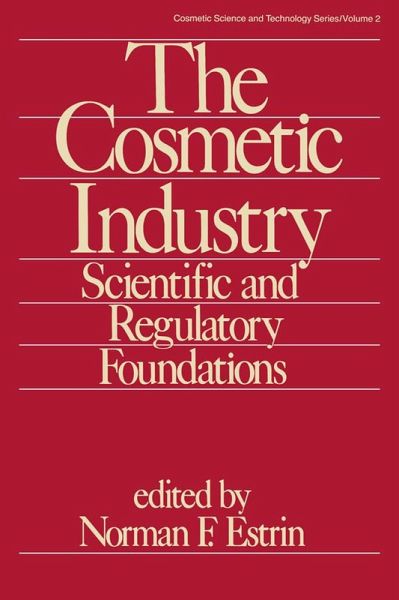
This book summarizes the authority of regulatory agencies and programs as they pertain to the cosmetic industry, offers practical advice on how to operate within the regulatory environment, and introduces scientific and regulatory issues that are likely to have an impact on cosmetic manufacturers. "This interesting volume reports all the novel technologies in use to study and control the cosmetic products in order to make them effective and free of side effects." ---Journal of Applied Cosmetology, 2000
- Geräte: PC
- mit Kopierschutz
- eBook Hilfe
Andere Kunden interessierten sich auch für
Handbook of Cosmetic Science and Technology (eBook, PDF)172,95 €
Textbook of Cosmetic Dermatology (eBook, PDF)148,95 €
Phytocosmetics and Cosmetic Science (eBook, PDF)21,95 €
William J. LiphamCosmetic and Clinical Applications of Botox and Dermal Fillers (eBook, PDF)162,95 €
Internet Guide to Cosmetic Surgery for Men (eBook, PDF)32,95 €
Michael ParkerFundamentals for Cosmetic Practice (eBook, PDF)85,95 €
Cosmetic Formulation of Skin Care Products (eBook, PDF)207,95 €-
-
-
This book summarizes the authority of regulatory agencies and programs as they pertain to the cosmetic industry, offers practical advice on how to operate within the regulatory environment, and introduces scientific and regulatory issues that are likely to have an impact on cosmetic manufacturers. "This interesting volume reports all the novel technologies in use to study and control the cosmetic products in order to make them effective and free of side effects." ---Journal of Applied Cosmetology, 2000
Dieser Download kann aus rechtlichen Gründen nur mit Rechnungsadresse in A, B, BG, CY, CZ, D, DK, EW, E, FIN, F, GR, HR, H, IRL, I, LT, L, LR, M, NL, PL, P, R, S, SLO, SK ausgeliefert werden.
Produktdetails
- Produktdetails
- Verlag: Taylor & Francis eBooks
- Seitenzahl: 720
- Erscheinungstermin: 9. Juli 2019
- Englisch
- ISBN-13: 9781351410908
- Artikelnr.: 57899898
- Verlag: Taylor & Francis eBooks
- Seitenzahl: 720
- Erscheinungstermin: 9. Juli 2019
- Englisch
- ISBN-13: 9781351410908
- Artikelnr.: 57899898
- Herstellerkennzeichnung Die Herstellerinformationen sind derzeit nicht verfügbar.
Norman F. Estrin of Estrin Consulting Group, Inc.
Part I: The Regulatory Environment 1. Regulation of Cosmetics in the United
States: An Overview 2. The FDA's Scientific and Regulatory Programs for
Cosmetics 3. The Toxic Substances Control Act and Its Potential Impact on
the Cosmetic Industry 4. Federal Regulation of Soap Products 5. The Impact
of the FDA's Over-the-Counter Drug Review Program on the Regulation of
Cosmetics 6. Regulation of Advertising by the Federal Trade Commission 7.
The Impact of Other Regulatory Agencies on the Cosmetic Industry 8. An
Overview of Worldwide Regulatory Programs 9. Cosmetics: The Legislative
Climate Part II: Functioning in the Regulatory Environment 10. Voluntary
Self- Regulation Programs of the Cosmetic Industry 11. Organization for
Action-Development of CTFA's Scientific Programs 12. The Cosmetic
Ingredient Review 13. The Industry Response Program to the Cosmetic
Ingredient Review 14. The RIFM Story 15. Cosmetic Industry Research
Programs 16. Industry Programs for Dealing with Trace Contaminants 17. The
Johns Hopkins Center for Alternatives to Animal Testing 18. Communication
and Cooperation -The Dermatologist and the Cosmetic Industry 19. Industry
Performance and Public Opinion: Some Reflection on Public Relations 20.
Preparing for Cosmetic GMPs 21. Evaluating Your Microbiology Program 22.
Establishing a Training Program for Plant Personnel 23. Coping with
Cosmetic Labeling 24. The CTFA Cosmetic Ingredient Dictionary 25. Coping
with the Color Additive Regulations 26. Adequately Substantiating the
Safety of Cosmetic and Toiletry Products 27. Managerial and Technical
Responsibilities for Selecting a Laboratory for GLP Toxicology Studies 28.
Ocular Irritancy: The Search for Acceptable and Humane Test Methods 29.
When an FDA Inspector Calls 30. How and When to Recall 31. Establishing a
Consumer Response Program 32. Special Problems of Small Companies 33. The
Private Label Company-Special Considerations 34. Innovating in a Regulated
Environment Part III: Challenges for Tomorrow 35. Development of Public
Policy on Carcinogens 36. Risk Assessment in Perspective 37. Trace
Contaminants-The Industry View 38. The FDA's Research Plan for Cosmetics
39. The National Toxicology Program and Preventive Oncology 40.
Alternatives to Animal Research-An Animal Welfare Perspective
States: An Overview 2. The FDA's Scientific and Regulatory Programs for
Cosmetics 3. The Toxic Substances Control Act and Its Potential Impact on
the Cosmetic Industry 4. Federal Regulation of Soap Products 5. The Impact
of the FDA's Over-the-Counter Drug Review Program on the Regulation of
Cosmetics 6. Regulation of Advertising by the Federal Trade Commission 7.
The Impact of Other Regulatory Agencies on the Cosmetic Industry 8. An
Overview of Worldwide Regulatory Programs 9. Cosmetics: The Legislative
Climate Part II: Functioning in the Regulatory Environment 10. Voluntary
Self- Regulation Programs of the Cosmetic Industry 11. Organization for
Action-Development of CTFA's Scientific Programs 12. The Cosmetic
Ingredient Review 13. The Industry Response Program to the Cosmetic
Ingredient Review 14. The RIFM Story 15. Cosmetic Industry Research
Programs 16. Industry Programs for Dealing with Trace Contaminants 17. The
Johns Hopkins Center for Alternatives to Animal Testing 18. Communication
and Cooperation -The Dermatologist and the Cosmetic Industry 19. Industry
Performance and Public Opinion: Some Reflection on Public Relations 20.
Preparing for Cosmetic GMPs 21. Evaluating Your Microbiology Program 22.
Establishing a Training Program for Plant Personnel 23. Coping with
Cosmetic Labeling 24. The CTFA Cosmetic Ingredient Dictionary 25. Coping
with the Color Additive Regulations 26. Adequately Substantiating the
Safety of Cosmetic and Toiletry Products 27. Managerial and Technical
Responsibilities for Selecting a Laboratory for GLP Toxicology Studies 28.
Ocular Irritancy: The Search for Acceptable and Humane Test Methods 29.
When an FDA Inspector Calls 30. How and When to Recall 31. Establishing a
Consumer Response Program 32. Special Problems of Small Companies 33. The
Private Label Company-Special Considerations 34. Innovating in a Regulated
Environment Part III: Challenges for Tomorrow 35. Development of Public
Policy on Carcinogens 36. Risk Assessment in Perspective 37. Trace
Contaminants-The Industry View 38. The FDA's Research Plan for Cosmetics
39. The National Toxicology Program and Preventive Oncology 40.
Alternatives to Animal Research-An Animal Welfare Perspective
Part I: The Regulatory Environment 1. Regulation of Cosmetics in the United
States: An Overview 2. The FDA's Scientific and Regulatory Programs for
Cosmetics 3. The Toxic Substances Control Act and Its Potential Impact on
the Cosmetic Industry 4. Federal Regulation of Soap Products 5. The Impact
of the FDA's Over-the-Counter Drug Review Program on the Regulation of
Cosmetics 6. Regulation of Advertising by the Federal Trade Commission 7.
The Impact of Other Regulatory Agencies on the Cosmetic Industry 8. An
Overview of Worldwide Regulatory Programs 9. Cosmetics: The Legislative
Climate Part II: Functioning in the Regulatory Environment 10. Voluntary
Self- Regulation Programs of the Cosmetic Industry 11. Organization for
Action-Development of CTFA's Scientific Programs 12. The Cosmetic
Ingredient Review 13. The Industry Response Program to the Cosmetic
Ingredient Review 14. The RIFM Story 15. Cosmetic Industry Research
Programs 16. Industry Programs for Dealing with Trace Contaminants 17. The
Johns Hopkins Center for Alternatives to Animal Testing 18. Communication
and Cooperation -The Dermatologist and the Cosmetic Industry 19. Industry
Performance and Public Opinion: Some Reflection on Public Relations 20.
Preparing for Cosmetic GMPs 21. Evaluating Your Microbiology Program 22.
Establishing a Training Program for Plant Personnel 23. Coping with
Cosmetic Labeling 24. The CTFA Cosmetic Ingredient Dictionary 25. Coping
with the Color Additive Regulations 26. Adequately Substantiating the
Safety of Cosmetic and Toiletry Products 27. Managerial and Technical
Responsibilities for Selecting a Laboratory for GLP Toxicology Studies 28.
Ocular Irritancy: The Search for Acceptable and Humane Test Methods 29.
When an FDA Inspector Calls 30. How and When to Recall 31. Establishing a
Consumer Response Program 32. Special Problems of Small Companies 33. The
Private Label Company-Special Considerations 34. Innovating in a Regulated
Environment Part III: Challenges for Tomorrow 35. Development of Public
Policy on Carcinogens 36. Risk Assessment in Perspective 37. Trace
Contaminants-The Industry View 38. The FDA's Research Plan for Cosmetics
39. The National Toxicology Program and Preventive Oncology 40.
Alternatives to Animal Research-An Animal Welfare Perspective
States: An Overview 2. The FDA's Scientific and Regulatory Programs for
Cosmetics 3. The Toxic Substances Control Act and Its Potential Impact on
the Cosmetic Industry 4. Federal Regulation of Soap Products 5. The Impact
of the FDA's Over-the-Counter Drug Review Program on the Regulation of
Cosmetics 6. Regulation of Advertising by the Federal Trade Commission 7.
The Impact of Other Regulatory Agencies on the Cosmetic Industry 8. An
Overview of Worldwide Regulatory Programs 9. Cosmetics: The Legislative
Climate Part II: Functioning in the Regulatory Environment 10. Voluntary
Self- Regulation Programs of the Cosmetic Industry 11. Organization for
Action-Development of CTFA's Scientific Programs 12. The Cosmetic
Ingredient Review 13. The Industry Response Program to the Cosmetic
Ingredient Review 14. The RIFM Story 15. Cosmetic Industry Research
Programs 16. Industry Programs for Dealing with Trace Contaminants 17. The
Johns Hopkins Center for Alternatives to Animal Testing 18. Communication
and Cooperation -The Dermatologist and the Cosmetic Industry 19. Industry
Performance and Public Opinion: Some Reflection on Public Relations 20.
Preparing for Cosmetic GMPs 21. Evaluating Your Microbiology Program 22.
Establishing a Training Program for Plant Personnel 23. Coping with
Cosmetic Labeling 24. The CTFA Cosmetic Ingredient Dictionary 25. Coping
with the Color Additive Regulations 26. Adequately Substantiating the
Safety of Cosmetic and Toiletry Products 27. Managerial and Technical
Responsibilities for Selecting a Laboratory for GLP Toxicology Studies 28.
Ocular Irritancy: The Search for Acceptable and Humane Test Methods 29.
When an FDA Inspector Calls 30. How and When to Recall 31. Establishing a
Consumer Response Program 32. Special Problems of Small Companies 33. The
Private Label Company-Special Considerations 34. Innovating in a Regulated
Environment Part III: Challenges for Tomorrow 35. Development of Public
Policy on Carcinogens 36. Risk Assessment in Perspective 37. Trace
Contaminants-The Industry View 38. The FDA's Research Plan for Cosmetics
39. The National Toxicology Program and Preventive Oncology 40.
Alternatives to Animal Research-An Animal Welfare Perspective