2,99 €
2,99 €
inkl. MwSt.
Sofort per Download lieferbar

0 °P sammeln
2,99 €
Als Download kaufen
2,99 €
inkl. MwSt.
Sofort per Download lieferbar
0 °P sammeln
Jetzt verschenken
Alle Infos zum eBook verschenken
2,99 €
inkl. MwSt.
Sofort per Download lieferbar
Alle Infos zum eBook verschenken
0 °P sammeln

Andere Kunden interessierten sich auch für
") The Sayings and Stories of the Desert Fathers and Mothers (eBook, ePUB)30,95 €
The Sayings and Stories of the Desert Fathers and Mothers (eBook, ePUB)30,95 €") The Abomination of Modern Society (eBook, ePUB)1,97 €
The Abomination of Modern Society (eBook, ePUB)1,97 € (eBook, ePUB)") Obatala: Orisha of Purity and Power (Spirits of the Orishas, #6) (eBook, ePUB)5,49 €
Obatala: Orisha of Purity and Power (Spirits of the Orishas, #6) (eBook, ePUB)5,49 €") The Spiritual Truth About Curses and Spells (eBook, ePUB)13,84 €
The Spiritual Truth About Curses and Spells (eBook, ePUB)13,84 € (eBook, ePUB)") Demystifying the Tarot - The Lovers (Demystifying the Tarot - The 22 Major Arcana., #6) (eBook, ePUB)8,99 €
Demystifying the Tarot - The Lovers (Demystifying the Tarot - The 22 Major Arcana., #6) (eBook, ePUB)8,99 € (eBook, ePUB)") Synopsis of The Twelve Premises of CORE Resonance Colonies: for an enlightened world (The Shortcuts Through Life Series, #6) (eBook, ePUB)0,00 €
Synopsis of The Twelve Premises of CORE Resonance Colonies: for an enlightened world (The Shortcuts Through Life Series, #6) (eBook, ePUB)0,00 €") The Sayings and Stories of the Desert Fathers and Mothers (eBook, ePUB)30,95 €
The Sayings and Stories of the Desert Fathers and Mothers (eBook, ePUB)30,95 €

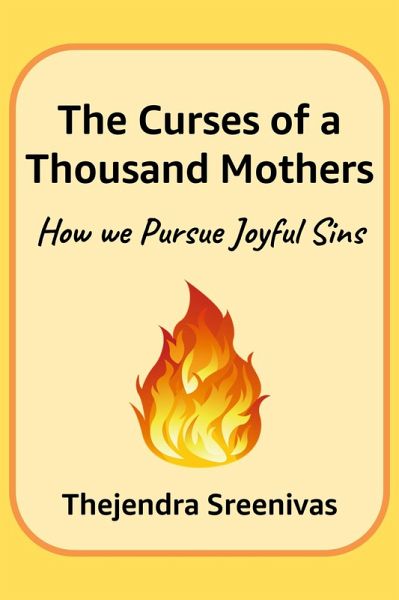
Q: What is this book about? A: Curses of a Thousand Mothers - How We Pursue Joyful Sins is a sharp, unflinching exploration of the invisible sins woven into modern life. It reveals how your everyday actions, often carried out with pride, convenience, or indifference, create suffering, exploitation, and long-term consequences for people we never see. The book holds up a mirror to the reader and challenges the comforting illusion that only "bad people" commit harm.
Q: What does the title "Curses of a Thousand Mothers" mean? A: It refers to the unseen, unspoken anguish of countless mothers whose children are exploited, underpaid, enslaved, or endangered so that someone else, often in another advanced country, can enjoy comfort, convenience, or wealth. Each unethical choice, each arrogant act, each profit-driven decision creates a chain of harm that ultimately returns as a moral curse upon society.
Q: What kinds of behaviors does the book expose? A: Mistreating maids, helpers, service staff, and customer support representatives by believing they deserve it. Investing in companies that destroy forests, pollute rivers, and damage the climate. Buying products made in factories with child labor, unsafe conditions, or slave-like exploitation. Supporting industries that thrive on addiction, alcohol, tobacco, and gambling. Celebrating corporate layoffs because shareholders benefited. Outsourcing to countries with weak labor laws just to save a few dollars. Ignoring the human cost of diamonds, gold, and minerals extracted by near-slave labor.
These are the "joyful sins", actions that feel comfortable, profitable, entertaining, or convenient to us, while causing misery to someone unseen.
Q: Why call them "joyful" sins? A: Because most people commit these sins while smiling. We enjoy cheap goods, fast delivery, rising stock prices, polite hotel service, spotless floors, and luxurious lifestyles, without acknowledging who paid the real price. The sin brings us joy precisely because the suffering is hidden.
Q: What is the central message of the book? A: That modern sin is rarely loud, dramatic, or violent. Instead, it is quiet, respectable, normalized, and wrapped in convenience. The book argues that we cannot claim morality while benefitting from systems built on exploitation, and that true awareness begins by examining our own participation in global injustice.
Q: Does the book preach guilt? A: No. It does not condemn the reader or demand moral perfection. Instead, it encourages reflection. By understanding the hidden consequences of our daily actions, we can make more ethical choices, reduce harm, and behave with greater humility and humanity.
Q: Who is this book for? A: Readers interested in ethics, philosophy, social justice, and global inequality. Consumers who suspect their "harmless choices" may carry hidden consequences. Business professionals and investors who want to understand the moral cost of corporate decisions. Anyone who wants to live more consciously and compassionately. People willing to confront uncomfortable truths about privilege and exploitation.
Q: What does the title "Curses of a Thousand Mothers" mean? A: It refers to the unseen, unspoken anguish of countless mothers whose children are exploited, underpaid, enslaved, or endangered so that someone else, often in another advanced country, can enjoy comfort, convenience, or wealth. Each unethical choice, each arrogant act, each profit-driven decision creates a chain of harm that ultimately returns as a moral curse upon society.
Q: What kinds of behaviors does the book expose? A: Mistreating maids, helpers, service staff, and customer support representatives by believing they deserve it. Investing in companies that destroy forests, pollute rivers, and damage the climate. Buying products made in factories with child labor, unsafe conditions, or slave-like exploitation. Supporting industries that thrive on addiction, alcohol, tobacco, and gambling. Celebrating corporate layoffs because shareholders benefited. Outsourcing to countries with weak labor laws just to save a few dollars. Ignoring the human cost of diamonds, gold, and minerals extracted by near-slave labor.
These are the "joyful sins", actions that feel comfortable, profitable, entertaining, or convenient to us, while causing misery to someone unseen.
Q: Why call them "joyful" sins? A: Because most people commit these sins while smiling. We enjoy cheap goods, fast delivery, rising stock prices, polite hotel service, spotless floors, and luxurious lifestyles, without acknowledging who paid the real price. The sin brings us joy precisely because the suffering is hidden.
Q: What is the central message of the book? A: That modern sin is rarely loud, dramatic, or violent. Instead, it is quiet, respectable, normalized, and wrapped in convenience. The book argues that we cannot claim morality while benefitting from systems built on exploitation, and that true awareness begins by examining our own participation in global injustice.
Q: Does the book preach guilt? A: No. It does not condemn the reader or demand moral perfection. Instead, it encourages reflection. By understanding the hidden consequences of our daily actions, we can make more ethical choices, reduce harm, and behave with greater humility and humanity.
Q: Who is this book for? A: Readers interested in ethics, philosophy, social justice, and global inequality. Consumers who suspect their "harmless choices" may carry hidden consequences. Business professionals and investors who want to understand the moral cost of corporate decisions. Anyone who wants to live more consciously and compassionately. People willing to confront uncomfortable truths about privilege and exploitation.
Dieser Download kann aus rechtlichen Gründen nur mit Rechnungsadresse in A, B, CY, CZ, D, DK, EW, E, FIN, F, GR, H, IRL, I, LT, L, LR, M, NL, PL, P, R, S, SLO, SK ausgeliefert werden.