64,95 €
64,95 €
inkl. MwSt.
Sofort per Download lieferbar

32 °P sammeln
64,95 €
Als Download kaufen
64,95 €
inkl. MwSt.
Sofort per Download lieferbar
32 °P sammeln
Jetzt verschenken
Alle Infos zum eBook verschenken
64,95 €
inkl. MwSt.
Sofort per Download lieferbar
Alle Infos zum eBook verschenken
32 °P sammeln

Andere Kunden interessierten sich auch für
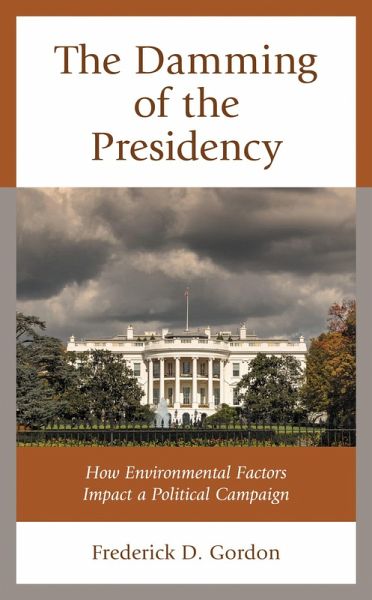
") The Damming of the Presidency (eBook, ePUB)64,95 €
The Damming of the Presidency (eBook, ePUB)64,95 €") Is This Any Way to Run a Democratic Election? (eBook, PDF)41,95 €
Is This Any Way to Run a Democratic Election? (eBook, PDF)41,95 €") Policy Styles and Trust in the Age of Pandemics (eBook, PDF)38,95 €
Policy Styles and Trust in the Age of Pandemics (eBook, PDF)38,95 €") The Making of the Presidential Candidates 2024 (eBook, PDF)19,95 €
The Making of the Presidential Candidates 2024 (eBook, PDF)19,95 €") The Presidential Election of 2020 (eBook, PDF)26,95 €
The Presidential Election of 2020 (eBook, PDF)26,95 €") The 2020 Presidential Election in the South (eBook, PDF)26,95 €
The 2020 Presidential Election in the South (eBook, PDF)26,95 €") The Trifecta in Voting Barrier Causation (eBook, PDF)26,95 €
The Trifecta in Voting Barrier Causation (eBook, PDF)26,95 €

This study evaluates the 1927 Great Mississippi Flood and its impact on both the 1928 and 1932 presidential elections. Herbert Hoover surged forth to win the 1928 presidency, but would suffer the greatest presidential defeat four years later. When did people change their minds? And were they influenced solely by the Great Depression or was there something else? Natural disasters and environmental crises offer both opportunities and threats for a presidential candidate. Challenger and incumbent must weave through a delicate maze of policy conundrums to garner national support. Today, the novel virus COVID-19 has altered modern society. Policy and medical experts are scrambling to develop a vaccine. Undoubtedly, economic, social, and political landscapes are being redefined, including their impact on presidential elections. Thus, a seminal question surfaces: How do force majeure events impact a political campaign? Other studies have yielded general assessments regarding presidential decision making during unforeseen events, notably with 9/11 and Hurricane Katrina. This book offers a vanguard approach by applying a historical lens and seeking to test the axiom of Farley's Law. This important law suggests that peoples' minds are made up at least six months before a national election and no matter how poorly situations develop, party allegiance is supreme.