6,99 €
6,99 €
inkl. MwSt.
Sofort per Download lieferbar

0 °P sammeln
6,99 €
Als Download kaufen
6,99 €
inkl. MwSt.
Sofort per Download lieferbar
0 °P sammeln
Jetzt verschenken
Alle Infos zum eBook verschenken
6,99 €
inkl. MwSt.
Sofort per Download lieferbar
Alle Infos zum eBook verschenken
0 °P sammeln

Andere Kunden interessierten sich auch für
") Ottoman Turkey: Civilizations of the Middle East (eBook, ePUB)8,99 €
Ottoman Turkey: Civilizations of the Middle East (eBook, ePUB)8,99 €") Ottoman Turkey: Civilizations of the Middle East (eBook, ePUB)8,99 €
Ottoman Turkey: Civilizations of the Middle East (eBook, ePUB)8,99 €") The Road to World War I: The Middle East in History (eBook, ePUB)5,99 €
The Road to World War I: The Middle East in History (eBook, ePUB)5,99 €") Persia: Civilizations of the Middle East (eBook, ePUB)6,99 €
Persia: Civilizations of the Middle East (eBook, ePUB)6,99 €") The Man Who Created the Middle East (eBook, ePUB)10,59 €
The Man Who Created the Middle East (eBook, ePUB)10,59 €") Persia: Civilizations of the Middle East (eBook, ePUB)6,99 €
Persia: Civilizations of the Middle East (eBook, ePUB)6,99 €") Crusades: Civilizations of the Middle East (eBook, ePUB)6,99 €
Crusades: Civilizations of the Middle East (eBook, ePUB)6,99 €




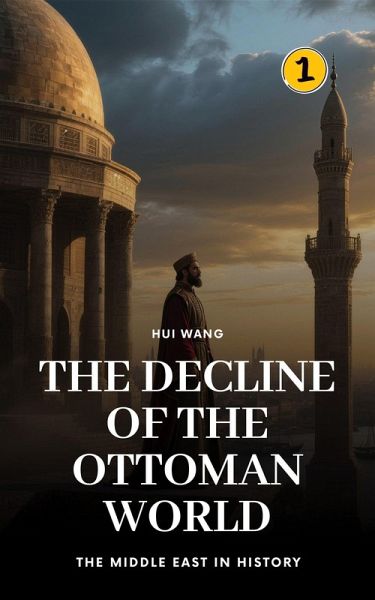
The Decline of the Ottoman World: The Middle East in History, takes you inside the long, uneasy journey from imperial glory to crisis. I start with Suleiman the Magnificent - the sultan under whom Ottoman power felt unshakable - and trace what comes after: the slow, grinding process by which swagger gave way to unease and confidence slowly eroded into anxiety. This is not a tale of sudden collapse. It is a story of rulers trying, again and again, to hold an unruly empire together while the ground beneath them quietly drifted.
As the empire moved into an age of reform, men like Selim III and Mahmud II were forced into choices that offered no clean escape. Selim attempted bold modernization - most famously his Nizam-i Cedid measures to remake the army - and paid a heavy price when entrenched interests rose up against him. Mahmud pushed even further: in 1826 he provoked and then crushed the Janissaries in what became the brutal "Auspicious Incident," clearing one of the most dangerous obstacles to change. These chapters show how, in an ancient polity, reform often meant tearing apart the very institutions that had once been the source of its strength.
The nineteenth century only deepened the strain. Under Abdülmecid I, reform accelerated: the Tanzimat agenda pushed the state into new realms of modernization, grand palaces rose as symbols of renewal, and with them came rising debt. Then Midhat Pasha and the 1876 Ottoman Constitution offered a rare glimpse of constitutional rule - a moment when parliamentary government seemed, at last, within reach. That hope was short-lived. Abdülhamid II quickly consolidated power, suspended parliament in 1878, and held the state together through surveillance, secret police, and an atmosphere of fear. Branded the "Red Sultan" by his opponents, he came to personify the empire's desperate tension between tight control and looming collapse.
But opposition did not vanish; it went underground and grew stronger. A new generation - forged in military schools, steeped in nationalist ideas, and seething from diplomatic humiliations abroad - coalesced into the Young Turks. Their 1908 revolution restored the constitution and promised a fresh start, yet governing proved far harder than protesting. Ideals collided with diplomacy, crushing debt, and relentless foreign pressure - the very realities that had long constrained Ottoman reform - forcing these reformers to confront the limits of power they had once so passionately denounced.
The final chapters turn to war and exposure. Italy plunges into the Ottoman world, sparking the Italo-Turkish War of 1911-1912 (often called the Italo-Ottoman War), as Italian forces seized the Ottoman provinces of Tripolitania and Cyrenaica - the very territories that would later become modern Libya - and turned them into a testing ground for new weapons and imperial ambition. Those clashes brutally revealed how fragile the empire had become and how tightly the Middle East and North Africa were now bound into global rivalries.
As the empire moved into an age of reform, men like Selim III and Mahmud II were forced into choices that offered no clean escape. Selim attempted bold modernization - most famously his Nizam-i Cedid measures to remake the army - and paid a heavy price when entrenched interests rose up against him. Mahmud pushed even further: in 1826 he provoked and then crushed the Janissaries in what became the brutal "Auspicious Incident," clearing one of the most dangerous obstacles to change. These chapters show how, in an ancient polity, reform often meant tearing apart the very institutions that had once been the source of its strength.
The nineteenth century only deepened the strain. Under Abdülmecid I, reform accelerated: the Tanzimat agenda pushed the state into new realms of modernization, grand palaces rose as symbols of renewal, and with them came rising debt. Then Midhat Pasha and the 1876 Ottoman Constitution offered a rare glimpse of constitutional rule - a moment when parliamentary government seemed, at last, within reach. That hope was short-lived. Abdülhamid II quickly consolidated power, suspended parliament in 1878, and held the state together through surveillance, secret police, and an atmosphere of fear. Branded the "Red Sultan" by his opponents, he came to personify the empire's desperate tension between tight control and looming collapse.
But opposition did not vanish; it went underground and grew stronger. A new generation - forged in military schools, steeped in nationalist ideas, and seething from diplomatic humiliations abroad - coalesced into the Young Turks. Their 1908 revolution restored the constitution and promised a fresh start, yet governing proved far harder than protesting. Ideals collided with diplomacy, crushing debt, and relentless foreign pressure - the very realities that had long constrained Ottoman reform - forcing these reformers to confront the limits of power they had once so passionately denounced.
The final chapters turn to war and exposure. Italy plunges into the Ottoman world, sparking the Italo-Turkish War of 1911-1912 (often called the Italo-Ottoman War), as Italian forces seized the Ottoman provinces of Tripolitania and Cyrenaica - the very territories that would later become modern Libya - and turned them into a testing ground for new weapons and imperial ambition. Those clashes brutally revealed how fragile the empire had become and how tightly the Middle East and North Africa were now bound into global rivalries.
Dieser Download kann aus rechtlichen Gründen nur mit Rechnungsadresse in A, B, CY, CZ, D, DK, EW, E, FIN, F, GR, H, IRL, I, LT, L, LR, M, NL, PL, P, R, S, SLO, SK ausgeliefert werden.