35,95 €
35,95 €
inkl. MwSt.
Sofort per Download lieferbar

18 °P sammeln
35,95 €
Als Download kaufen
35,95 €
inkl. MwSt.
Sofort per Download lieferbar
18 °P sammeln
Jetzt verschenken
Alle Infos zum eBook verschenken
35,95 €
inkl. MwSt.
Sofort per Download lieferbar
Alle Infos zum eBook verschenken
18 °P sammeln

Andere Kunden interessierten sich auch für
") The Prop Effects Guidebook (eBook, PDF)42,95 €
The Prop Effects Guidebook (eBook, PDF)42,95 €") Living the Lighting Life (eBook, PDF)33,95 €
Living the Lighting Life (eBook, PDF)33,95 €") Innovating the Design Process: A Theatre Design Journey (eBook, PDF)33,95 €
Innovating the Design Process: A Theatre Design Journey (eBook, PDF)33,95 €") Digital Media, Projection Design, and Technology for Theatre (eBook, PDF)43,95 €
Digital Media, Projection Design, and Technology for Theatre (eBook, PDF)43,95 €") The Business of American Theatre (eBook, PDF)38,95 €
The Business of American Theatre (eBook, PDF)38,95 €") Antonio Triana and the Spanish Dance (eBook, PDF)39,95 €
Antonio Triana and the Spanish Dance (eBook, PDF)39,95 €") From Page to Stage (eBook, PDF)32,95 €
From Page to Stage (eBook, PDF)32,95 €







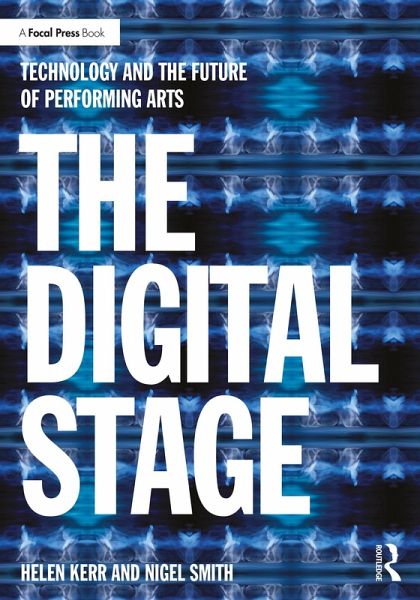
The Digital Stage: Technology and the Future of Performing Arts explores the implications and applications of contemporary and emergent digital technologies, from a leadership perspective as well as an audience engagement and an artistic and production perspective.
From this broad survey of the industry, readers will develop a new understanding for the use of digital technologies in the creation, staging, performing, marketing, distributing and selling of the performing arts. It is essential for the sector to explore and proactively consider adoption of new and disruptive technologies, to ensure the long-term viability of arts institutions and for the sector at large to remain relevant in a rapidly changing context. The Digital Stage seeks to frame a strategic view of the performing arts sector through this lens to understand new practices, identify challenges and barriers ahead and determine key digital technologies that can enable change.
The book is organized into three parts: Technology Next, Technology Now and Technology Nexus, and will be of interest to arts managers, production managers and leaders in the performing arts industry.
From this broad survey of the industry, readers will develop a new understanding for the use of digital technologies in the creation, staging, performing, marketing, distributing and selling of the performing arts. It is essential for the sector to explore and proactively consider adoption of new and disruptive technologies, to ensure the long-term viability of arts institutions and for the sector at large to remain relevant in a rapidly changing context. The Digital Stage seeks to frame a strategic view of the performing arts sector through this lens to understand new practices, identify challenges and barriers ahead and determine key digital technologies that can enable change.
The book is organized into three parts: Technology Next, Technology Now and Technology Nexus, and will be of interest to arts managers, production managers and leaders in the performing arts industry.
Dieser Download kann aus rechtlichen Gründen nur mit Rechnungsadresse in A, B, BG, CY, CZ, D, DK, EW, E, FIN, F, GR, HR, H, IRL, I, LT, L, LR, M, NL, PL, P, R, S, SLO, SK ausgeliefert werden.