26,95 €
inkl. MwSt.
Sofort per Download lieferbar
13 °P sammeln

Andere Kunden interessierten sich auch für
") The Emotionally Agile Brain (eBook, ePUB)26,95 €
The Emotionally Agile Brain (eBook, ePUB)26,95 €") Leading an Emotionally Intelligent Life (eBook, PDF)20,95 €
Leading an Emotionally Intelligent Life (eBook, PDF)20,95 €") The Science of Stress Management (eBook, PDF)30,95 €
The Science of Stress Management (eBook, PDF)30,95 €") Afraid (eBook, PDF)11,95 €
Afraid (eBook, PDF)11,95 €") The Way of the Mindful Warrior (eBook, PDF)22,95 €
The Way of the Mindful Warrior (eBook, PDF)22,95 €") Tame Your Anxiety (eBook, PDF)12,95 €
Tame Your Anxiety (eBook, PDF)12,95 €") The Pregnancy and Postpartum Mood Workbook (eBook, PDF)24,95 €
The Pregnancy and Postpartum Mood Workbook (eBook, PDF)24,95 €





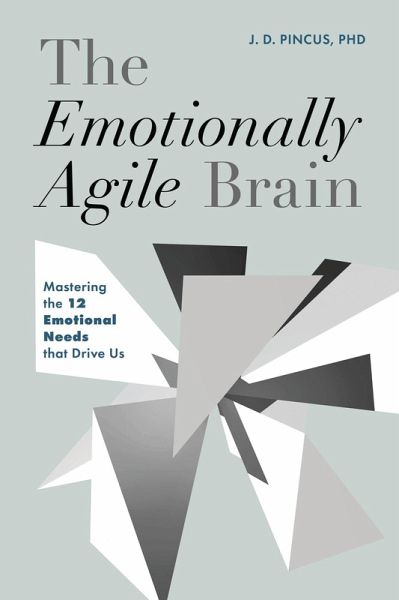
The Emotionally Agile Brain: A New Map of Human Motivation
What truly drives us? The Emotionally Agile Brain introduces a revolutionary model that replaces the old hierarchy of needs with a dynamic framework that spans four life domains:
Self - Identity, growth, and autonomy
Social - Connection, belonging, and recognition
Material - Security, achievement, and success
Spiritual - Meaning, ethics, and transcendence
Drawing on decades of research published in peer-reviewed journals, author J.D. Pincus reveals that motivation is fundamentally about change. By asking two simple questions: Where in your life do you want to make a change? and What kind of change do you seek? you will uncover your unique motivational "fingerprint."
This insight is transformative. Awareness of your motivational state cuts through life's distractions, freeing you to pursue what you truly want. The book introduces a "Periodic Table of Human Motivation," a comprehensive system that accounts for every possible emotional need across three levels of aspiration: foundational (being), experiential (doing), and aspirational (having).
What truly drives us? The Emotionally Agile Brain introduces a revolutionary model that replaces the old hierarchy of needs with a dynamic framework that spans four life domains:
Self - Identity, growth, and autonomy
Social - Connection, belonging, and recognition
Material - Security, achievement, and success
Spiritual - Meaning, ethics, and transcendence
Drawing on decades of research published in peer-reviewed journals, author J.D. Pincus reveals that motivation is fundamentally about change. By asking two simple questions: Where in your life do you want to make a change? and What kind of change do you seek? you will uncover your unique motivational "fingerprint."
This insight is transformative. Awareness of your motivational state cuts through life's distractions, freeing you to pursue what you truly want. The book introduces a "Periodic Table of Human Motivation," a comprehensive system that accounts for every possible emotional need across three levels of aspiration: foundational (being), experiential (doing), and aspirational (having).