Sie sind bereits eingeloggt. Klicken Sie auf 2. tolino select Abo, um fortzufahren.
Bitte loggen Sie sich zunächst in Ihr Kundenkonto ein oder registrieren Sie sich bei bücher.de, um das eBook-Abo tolino select nutzen zu können.
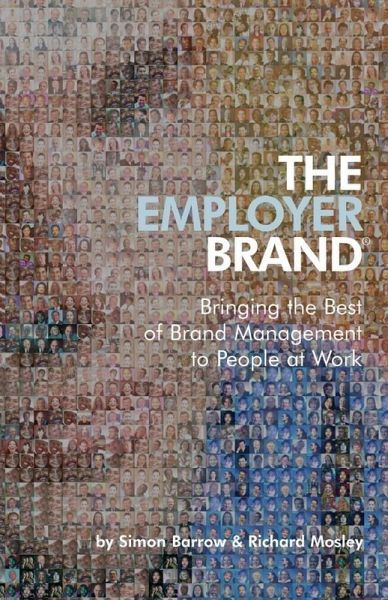
Levels of 'employer brand awareness' are rising fast across Europe, North America and Asia-Pacific, as leading companies realise that skilled, motivated employees are as vital to their commercial success as profitable customers and apply the principles of branding to their own organization. Starting with a review of the pressures which have generated current interest in employer branding, this definitive book goes on to look at the historical roots of brand management and the practical steps necessary to achieve employer brand management success - including the business case, research,…mehr
Levels of 'employer brand awareness' are rising fast across Europe, North America and Asia-Pacific, as leading companies realise that skilled, motivated employees are as vital to their commercial success as profitable customers and apply the principles of branding to their own organization. Starting with a review of the pressures which have generated current interest in employer branding, this definitive book goes on to look at the historical roots of brand management and the practical steps necessary to achieve employer brand management success - including the business case, research, positioning, implementation, management and measurement. Case studies of big-name employer brand stories include Tesco, Wal-Mart, British Airways and Prêt a Manger.
Dieser Download kann aus rechtlichen Gründen nur mit Rechnungsadresse in D ausgeliefert werden.
Die Herstellerinformationen sind derzeit nicht verfügbar.
Autorenporträt
Simon Barrow and Richard Mosley are colleagues in the London based management consultancy People in Business, whose work with senior managers to improve their organisation's performance is driven by the thinking in this book. Simon Barrow was a brand manager at Best Foods (now Unilever) and Colgate-Palmolive before becoming CEO of an advertising agency within the Charles Barker Group, where his growing involvement with HR sparked his creation of the Employer Brand concept and subsequent research with London Business School. Richard Mosley has been involved in brand strategy development and implementation for nearly twenty years, including eight years with WPP's marketing consultancy Added Value where he led the internal marketing practice. Both authors share a belief in the need for marketing and HR to work together more effectively, especially in businesses which rely on people to deliver the customer brand experience. People in Business's recent clients include BP, British Airways, Hiscox, John Lewis, Man Investments and Unilever.
Inhaltsangabe
List of Illustrations xi Acknowledgements xiii Preface xv Part I: The Rationale for Change 1 1 Birth of an Idea 3 2 The Changing Needs and Aspirations of Employees 13 3 Investors Awaken 21 4 The People Management Challenge 37 5 The Role of Leadership 45 Part II: The 'How To' Guide 55 6 Brand Fundamentals 57 Functional Benefits 58 Emotional Benefits 58 Higher Order Benefits, Brand Values and DNA 59 Brand Personality 60 Brand Positioning and Differentiation 61 Brand Hierarchy 63 Brand Vision and Brand Reality 64 Brand Management and Development 65 Brand Consistency and Continuity 65 Brand Development 67 Summary 68 7 The Business Case 69 The Major Benefits of Employer Branding 69 Lower Costs 69 Customer Satisfaction 71 Financial Results 72 Summary 74 Life Cycle Benefits 74 Young, Fast Growing Companies: Attracting 'The Right Stuff' 74 Coming of Age: Capturing the Organisational Spirit 75 Going International: Translating the Employer Brand into New Contexts 75 Merger and Acquisition: Forging a Shared Sense of Identity and Purpose 76 Corporate Reinvention: Refreshing the Self-Image 77 Revitalizing the Customer Brand Proposition: Living the Brand 77 Burning Platform: Re-instilling Fresh Belief 78 Functional Benefits 78 Benefits to the HR Function 78 Benefits to the Internal Communications Function 79 Benefits to the Marketing Function 80 Winning Support from the Top 81 Summary 83 8 Employer Brand Insight 85 Employee Insights 86 Employee Engagement and Commitment 88 Benchmarking 89 Correlation Analysis 91 Continuous Research 92 Culture Mapping 93 Brand Roots 95 Projective and Enabling Techniques 96 Observation 99 Segmentation 100 Communication Audits 102 Additional Sources 103 Labour Market Insights 104 Clarifying the Target Market 104 Needs and Aspirations 105 Employer Brand Image 106 Summary 108 9 Employer Brand Positioning 109 Brand Identity 109 Monolithic 109 Parent 110 Subsidiary 110 Brand Integration (Customer and Employer Brands) 110 Corporate Brand Hierarchy (Parent and Subsidiary) 111 The Key Components of the Positioning Model 113 The Brand Reality Model 113 The Brand Vision Model 116 Target Employee Profiles 116 The Employer Brand Proposition 117 Values 119 Personality 122 Benefits 123 Employee Value Propositions 125 Reasons to believe 126 Summary 126 10 Employer Brand Communication 129 Identity 129 Internal Launch 130 Rational Understanding 132 Emotional Engagement 135 Employee Commitment and Behaviour Change 141 Summary 144 11 Employer Brand Management 147 Big Picture: Policy 149 External Reputation 149 Internal Communication 151 Senior Leadership 152 Values and Corporate Social Responsibility 152 Internal Measurement Systems 154 Service Support 154 Local Picture: Practice 155 Recruitment and Induction 155 Team Management 156 Performance Appraisal 157 Learning and Development 157 Reward and Recognition 159 Working Environment 159 The Key Responsibilities of Employer Brand Management 160 Summary 161 12 The Durability of the Employer Brand Concept 163 Part III: Appendices 165 Appendix 1: Reuters Case Study 167 Appendix 2: Tesco Case Study 185 Appendix 3: Extract from Greggs Development Review 197 References 201 Index 207
List of Illustrations xi Acknowledgements xiii Preface xv Part I: The Rationale for Change 1 1 Birth of an Idea 3 2 The Changing Needs and Aspirations of Employees 13 3 Investors Awaken 21 4 The People Management Challenge 37 5 The Role of Leadership 45 Part II: The 'How To' Guide 55 6 Brand Fundamentals 57 Functional Benefits 58 Emotional Benefits 58 Higher Order Benefits, Brand Values and DNA 59 Brand Personality 60 Brand Positioning and Differentiation 61 Brand Hierarchy 63 Brand Vision and Brand Reality 64 Brand Management and Development 65 Brand Consistency and Continuity 65 Brand Development 67 Summary 68 7 The Business Case 69 The Major Benefits of Employer Branding 69 Lower Costs 69 Customer Satisfaction 71 Financial Results 72 Summary 74 Life Cycle Benefits 74 Young, Fast Growing Companies: Attracting 'The Right Stuff' 74 Coming of Age: Capturing the Organisational Spirit 75 Going International: Translating the Employer Brand into New Contexts 75 Merger and Acquisition: Forging a Shared Sense of Identity and Purpose 76 Corporate Reinvention: Refreshing the Self-Image 77 Revitalizing the Customer Brand Proposition: Living the Brand 77 Burning Platform: Re-instilling Fresh Belief 78 Functional Benefits 78 Benefits to the HR Function 78 Benefits to the Internal Communications Function 79 Benefits to the Marketing Function 80 Winning Support from the Top 81 Summary 83 8 Employer Brand Insight 85 Employee Insights 86 Employee Engagement and Commitment 88 Benchmarking 89 Correlation Analysis 91 Continuous Research 92 Culture Mapping 93 Brand Roots 95 Projective and Enabling Techniques 96 Observation 99 Segmentation 100 Communication Audits 102 Additional Sources 103 Labour Market Insights 104 Clarifying the Target Market 104 Needs and Aspirations 105 Employer Brand Image 106 Summary 108 9 Employer Brand Positioning 109 Brand Identity 109 Monolithic 109 Parent 110 Subsidiary 110 Brand Integration (Customer and Employer Brands) 110 Corporate Brand Hierarchy (Parent and Subsidiary) 111 The Key Components of the Positioning Model 113 The Brand Reality Model 113 The Brand Vision Model 116 Target Employee Profiles 116 The Employer Brand Proposition 117 Values 119 Personality 122 Benefits 123 Employee Value Propositions 125 Reasons to believe 126 Summary 126 10 Employer Brand Communication 129 Identity 129 Internal Launch 130 Rational Understanding 132 Emotional Engagement 135 Employee Commitment and Behaviour Change 141 Summary 144 11 Employer Brand Management 147 Big Picture: Policy 149 External Reputation 149 Internal Communication 151 Senior Leadership 152 Values and Corporate Social Responsibility 152 Internal Measurement Systems 154 Service Support 154 Local Picture: Practice 155 Recruitment and Induction 155 Team Management 156 Performance Appraisal 157 Learning and Development 157 Reward and Recognition 159 Working Environment 159 The Key Responsibilities of Employer Brand Management 160 Summary 161 12 The Durability of the Employer Brand Concept 163 Part III: Appendices 165 Appendix 1: Reuters Case Study 167 Appendix 2: Tesco Case Study 185 Appendix 3: Extract from Greggs Development Review 197 References 201 Index 207
Rezensionen
"...the authors offer an intellectual framework, a fresh focus and a stimulating guide...an impressive wake-up call..." (People Management, 10th November 2005) "...not just an eloquent brand management...text but one of the wisest management books in the past five years." (Independent on Sunday, 20th November 2005) "...packed with insight and alarming statistics, it will also prove a great tool for any HR professional..." (Strategic HR Review, 1st November 2005)
"...This is not just an eloquent brand management and marketing text but one of the wisest management books in the past five years." (Independent on Sunday, 20th November 2005)
"...the authors offer an intellectual framework, a fresh focus and a stimulating guide...this book is an impressive wake-up call..." (People Management, 10th November 2005)
"...packed with insight and alarming statistics, it will also prove a great tool for any HR professional..." (Strategic HR Review, 1st November 2005)
"...useful for HR professionals, managers interested in bringing the concept of 'living the brand' to the company, and graduates seeking guidance on the kind of company to work for." (The Marketer (CIM), Jan 06)
"...provides inspirational insights into the rationale for employer brand management." (Personnel Today, 17th Jan 06)
"...easy to read and very useful as it contains great case studies and useful tips on how to build coherent brand framework from the start." (Personnel Today, April 2006)
"...interesting insights..." (Chartered Institute of Personnel and Development, June 2006)
Es gelten unsere Allgemeinen Geschäftsbedingungen: www.buecher.de/agb
Impressum
www.buecher.de ist ein Internetauftritt der buecher.de internetstores GmbH
Geschäftsführung: Monica Sawhney | Roland Kölbl | Günter Hilger
Sitz der Gesellschaft: Batheyer Straße 115 - 117, 58099 Hagen
Postanschrift: Bürgermeister-Wegele-Str. 12, 86167 Augsburg
Amtsgericht Hagen HRB 13257
Steuernummer: 321/5800/1497
USt-IdNr: DE450055826