2,99 €
inkl. MwSt.
Sofort per Download lieferbar
0 °P sammeln

Andere Kunden interessierten sich auch für
 (eBook, ePUB)") Cracking The Code on Short Form Video Virality with Hooks (1, #1) (eBook, ePUB)1,99 €
Cracking The Code on Short Form Video Virality with Hooks (1, #1) (eBook, ePUB)1,99 €") Cracking the Code (eBook, ePUB)15,95 €
Cracking the Code (eBook, ePUB)15,95 €") AI Based Solutions for Inclusive Quality Education (eBook, ePUB)55,95 €
AI Based Solutions for Inclusive Quality Education (eBook, ePUB)55,95 €") The Secrets of Future Disruptive Hi-Tech Ideas & Innovations (eBook, ePUB)5,49 €
The Secrets of Future Disruptive Hi-Tech Ideas & Innovations (eBook, ePUB)5,49 €") The Code (eBook, ePUB)3,99 €
The Code (eBook, ePUB)3,99 €") Code Beneath the Surface: Mastering Assembly Programming (eBook, ePUB)14,49 €
Code Beneath the Surface: Mastering Assembly Programming (eBook, ePUB)14,49 €") Devil in the Stack (eBook, ePUB)10,95 €
Devil in the Stack (eBook, ePUB)10,95 €




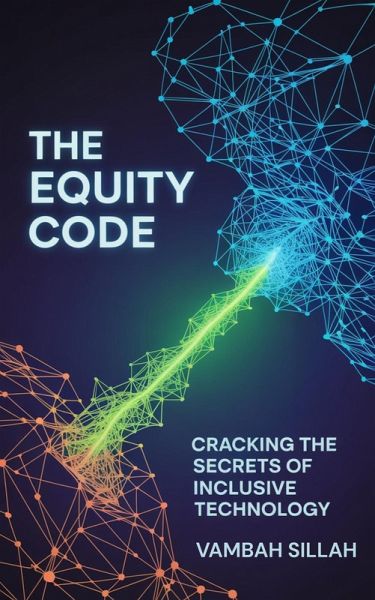
A single computer changed everything.
In 1989, in a modest apartment in inner-city Boston, a Tandy computer hummed with possibility. For a young boy whose world was defined by the rhythms of urban survival and street-smart hustle, that beige box became a portal to an entirely different future. His father, a Liberian immigrant who stretched his budget to breaking point for that purchase, understood something profound: technology access wasn't just about owning a machineit was about owning a stake in the future.
Years later, as a technology professional with over fifteen years in IT, the author watched his siblings and countless others navigate a very different pathone without early access to technology, without the digital literacy that opens doors, without the transformative opportunities that shaped his own journey. The contrast was stark, troubling, and ultimately, the catalyst for this book.
The Equity Code reveals the hidden architecture of digital inequality in America and across the globe. This isn't just another discussion of the "digital divide"it's an urgent exploration of the five dimensions of technological inequality that most people never see:
Infrastructure gaps that determine who gets connected and who gets left behind, from Seoul's hyper-connected streets to Montana's digitally isolated reservations.
Device disparities that separate digital creators from digital consumers, where one student applies to college on a MacBook Pro while another struggles with a shared family smartphone.
Skills chasms that compound across generations, where digital literacy becomes the new prerequisite for economic mobility.
Support network divides that make the difference between technological success and frustration, separating those with help desks and mentors from those navigating alone.
Cultural relevance barriers that determine whether technology empowers or excludes, from language accessibility to representation in digital spaces.
Through compelling personal narratives, rigorous research, and real-world case studies from Detroit to rural Texas, from Boston's METCO program to Silicon Valley, this book exposes how technology access shapes life outcomes in education, employment, healthcare, and civic engagement.
But The Equity Code offers more than diagnosisit provides a roadmap for change. You'll discover:
Drawing on the author's personal journey from that first Tandy computer to a career in technology, combined with extensive research and expert analysis, The Equity Code bridges the gap between academic discourse and accessible storytelling. It's personal yet analytical, inspiring yet practical, urgent yet hopeful.
The digital divide isn't just about technologyit's about opportunity, equity, and the kind of future we want to build together. The question isn't whether we can democratize technology. It's whether we will.
Join the movement to crack the code of inclusive technology and help build a more equitable digital future for all.
In 1989, in a modest apartment in inner-city Boston, a Tandy computer hummed with possibility. For a young boy whose world was defined by the rhythms of urban survival and street-smart hustle, that beige box became a portal to an entirely different future. His father, a Liberian immigrant who stretched his budget to breaking point for that purchase, understood something profound: technology access wasn't just about owning a machineit was about owning a stake in the future.
Years later, as a technology professional with over fifteen years in IT, the author watched his siblings and countless others navigate a very different pathone without early access to technology, without the digital literacy that opens doors, without the transformative opportunities that shaped his own journey. The contrast was stark, troubling, and ultimately, the catalyst for this book.
The Equity Code reveals the hidden architecture of digital inequality in America and across the globe. This isn't just another discussion of the "digital divide"it's an urgent exploration of the five dimensions of technological inequality that most people never see:
Infrastructure gaps that determine who gets connected and who gets left behind, from Seoul's hyper-connected streets to Montana's digitally isolated reservations.
Device disparities that separate digital creators from digital consumers, where one student applies to college on a MacBook Pro while another struggles with a shared family smartphone.
Skills chasms that compound across generations, where digital literacy becomes the new prerequisite for economic mobility.
Support network divides that make the difference between technological success and frustration, separating those with help desks and mentors from those navigating alone.
Cultural relevance barriers that determine whether technology empowers or excludes, from language accessibility to representation in digital spaces.
Through compelling personal narratives, rigorous research, and real-world case studies from Detroit to rural Texas, from Boston's METCO program to Silicon Valley, this book exposes how technology access shapes life outcomes in education, employment, healthcare, and civic engagement.
But The Equity Code offers more than diagnosisit provides a roadmap for change. You'll discover:
- How historical policies created today's digital inequalities
- Why current solutions often fail to address root causes
- Successful community-driven initiatives bridging the divide
- Policy innovations that actually work
- Practical strategies for creating equitable technology access
- The role of education in democratizing digital opportunity
- Future trends and emerging solutions
Drawing on the author's personal journey from that first Tandy computer to a career in technology, combined with extensive research and expert analysis, The Equity Code bridges the gap between academic discourse and accessible storytelling. It's personal yet analytical, inspiring yet practical, urgent yet hopeful.
The digital divide isn't just about technologyit's about opportunity, equity, and the kind of future we want to build together. The question isn't whether we can democratize technology. It's whether we will.
Join the movement to crack the code of inclusive technology and help build a more equitable digital future for all.
Dieser Download kann aus rechtlichen Gründen nur mit Rechnungsadresse in A, B, CY, CZ, D, DK, EW, E, FIN, F, GR, H, IRL, I, LT, L, LR, M, NL, PL, P, R, S, SLO, SK ausgeliefert werden.