30,95 €
inkl. MwSt.
Sofort per Download lieferbar
15 °P sammeln

Andere Kunden interessierten sich auch für
") Golf as Meaningful Play (eBook, PDF)76,95 €
Golf as Meaningful Play (eBook, PDF)76,95 €") Kierkegaard, MacIntyre, Williams, and the Internal Point of View (eBook, PDF)68,95 €
Kierkegaard, MacIntyre, Williams, and the Internal Point of View (eBook, PDF)68,95 €") On the Ethical Philosophy of Edith Stein (eBook, PDF)71,95 €
On the Ethical Philosophy of Edith Stein (eBook, PDF)71,95 €") Refuting Peter Singer's Ethical Theory (eBook, PDF)68,95 €
Refuting Peter Singer's Ethical Theory (eBook, PDF)68,95 €") The Goods of Design (eBook, PDF)25,95 €
The Goods of Design (eBook, PDF)25,95 €") Adam Ferguson and Ethical Integrity (eBook, PDF)76,95 €
Adam Ferguson and Ethical Integrity (eBook, PDF)76,95 €") The Environmental Crisis and Art (eBook, PDF)26,95 €
The Environmental Crisis and Art (eBook, PDF)26,95 €







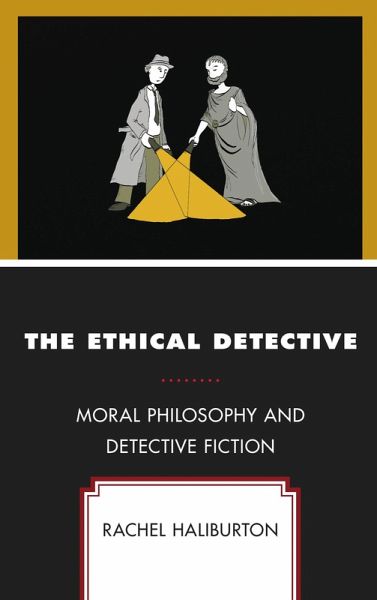
Detective fiction and philosophy¿moral philosophy in particular¿may seem like an odd combination. Working within the framework offered by neo-Aristotelian virtue ethics, this book makes the case that moral philosophers ought to take murder mysteries seriously, seeing them as a source of ethical insight, and as a tool that can be used to spark the ethical imagination. Detective fiction is a literary genre that asks readers to consider questions of good and evil, justice and injustice, virtue and vice, and is, consequently, a profoundly and inescapably ethical genre. Moreover, in the figure of the detective, readers are presented with an accessible role model who demonstrates the virtues of honesty, courage, and a commitment to justice that are required by those who want to live well as a virtue ethicist would understand it. This book also offers a critique of contemporary moral philosophy, and considers what features a neo-Aristotelian conception of autonomy might display.