1,99 €
inkl. MwSt.
Sofort per Download lieferbar

payback
0 °P sammeln
  • Format: ePub

The Fire in the Flint is a 1924 novel by civil rights activist and writer Walter White, it was published by Knopf. The novel was written during the Harlem Renaissance and contains themes consistent with the New Negro Movement as well as promoting anti-racist themes and shedding light on racial oppression during the early 20th century. The novel tells the story of Dr. Kenneth Harper, an African American doctor and World War I veteran, who moves back to his hometown in Georgia to open a clinic and practice medicine after graduating from medical school. Dr. Harper, who is initially unwilling to…mehr

  • Geräte: eReader
  • ohne Kopierschutz
  • eBook Hilfe
  • Größe: 1.16MB
  • FamilySharing(5)
Produktbeschreibung
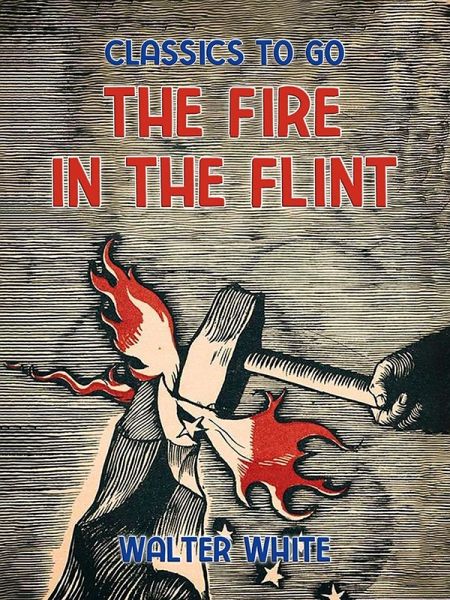
The Fire in the Flint is a 1924 novel by civil rights activist and writer Walter White, it was published by Knopf. The novel was written during the Harlem Renaissance and contains themes consistent with the New Negro Movement as well as promoting anti-racist themes and shedding light on racial oppression during the early 20th century. The novel tells the story of Dr. Kenneth Harper, an African American doctor and World War I veteran, who moves back to his hometown in Georgia to open a clinic and practice medicine after graduating from medical school. Dr. Harper, who is initially unwilling to be involved in racial tensions in the town, eventually fights against the Ku Klux Klan after he is subjected to hostile racism from the white residents.

Dieser Download kann aus rechtlichen Gründen nur mit Rechnungsadresse in A, B, BG, CY, CZ, D, DK, EW, E, FIN, F, GR, HR, H, IRL, I, LT, L, LR, M, NL, PL, P, R, S, SLO, SK ausgeliefert werden.

Autorenporträt
Walter F. White (1893–1955) was an American author and civil rights leader born in Atlanta, Georgia. From 1929 until 1955, White served as the executive secretary of the National Association for the Advancement of Colored People (NAACP), where he oversaw efforts to dismantle legalized segregation. In addition to his activism, White was an acclaimed author of fiction and nonfiction, often exploring themes of the New Negro Movement. Upon his death, the New York Times praised him as “the nearest approach to a national leader of American Negroes since Booker T. Washington.”