C. H. Jr. Edwards
The Historical Development of the Calculus (eBook, PDF)
60,95 €
inkl. MwSt.
Sofort per Download lieferbar

30 °P sammeln
C. H. Jr. Edwards
The Historical Development of the Calculus (eBook, PDF)
- Format: PDF
- Merkliste
- Auf die Merkliste
- Bewerten Bewerten
- Teilen
- Produkt teilen
- Produkterinnerung
- Produkterinnerung

Bitte loggen Sie sich zunächst in Ihr Kundenkonto ein oder registrieren Sie sich bei
bücher.de, um das eBook-Abo tolino select nutzen zu können.
Hier können Sie sich einloggen
Hier können Sie sich einloggen
Sie sind bereits eingeloggt. Klicken Sie auf 2. tolino select Abo, um fortzufahren.
Bitte loggen Sie sich zunächst in Ihr Kundenkonto ein oder registrieren Sie sich bei bücher.de, um das eBook-Abo tolino select nutzen zu können.
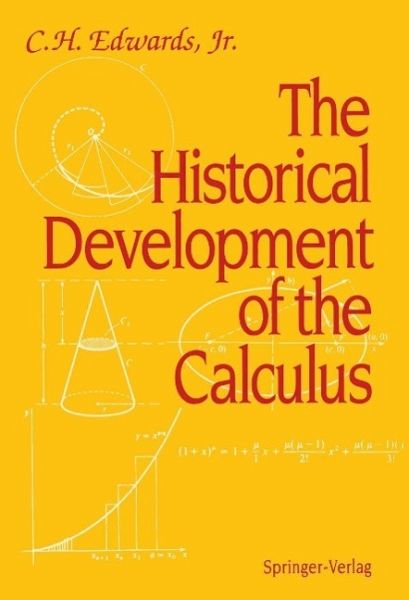
This is a lucid account of the highlights in the historical development of the calculus from ancient to modern times - from the beginnings of geometry in antiquity to the nonstandard analysis of the twentieth century.
- Geräte: PC
- ohne Kopierschutz
- eBook Hilfe
- Größe: 26.66MB
Andere Kunden interessierten sich auch für
") Carlos A. BerensteinComplex Variables (eBook, PDF)52,95 €
Carlos A. BerensteinComplex Variables (eBook, PDF)52,95 €") Robert GoldblattLectures on the Hyperreals (eBook, PDF)52,95 €
Robert GoldblattLectures on the Hyperreals (eBook, PDF)52,95 €") Reinhold RemmertTheory of Complex Functions (eBook, PDF)52,95 €
Reinhold RemmertTheory of Complex Functions (eBook, PDF)52,95 €") Kenneth A. RossElementary Analysis (eBook, PDF)30,95 €
Kenneth A. RossElementary Analysis (eBook, PDF)30,95 €") Sudhir R. GhorpadeA Course in Multivariable Calculus and Analysis (eBook, PDF)46,95 €
Sudhir R. GhorpadeA Course in Multivariable Calculus and Analysis (eBook, PDF)46,95 €") Harold M. EdwardsAdvanced Calculus (eBook, PDF)38,95 €
Harold M. EdwardsAdvanced Calculus (eBook, PDF)38,95 €") Harold M. EdwardsAdvanced Calculus (eBook, PDF)72,95 €
Harold M. EdwardsAdvanced Calculus (eBook, PDF)72,95 €-
-
-
This is a lucid account of the highlights in the historical development of the calculus from ancient to modern times - from the beginnings of geometry in antiquity to the nonstandard analysis of the twentieth century.
Dieser Download kann aus rechtlichen Gründen nur mit Rechnungsadresse in A, B, BG, CY, CZ, D, DK, EW, E, FIN, F, GR, HR, H, IRL, I, LT, L, LR, M, NL, PL, P, R, S, SLO, SK ausgeliefert werden.
Produktdetails
- Produktdetails
- Verlag: Springer US
- Seitenzahl: 368
- Erscheinungstermin: 6. Dezember 2012
- Englisch
- ISBN-13: 9781461262305
- Artikelnr.: 44052700
- Verlag: Springer US
- Seitenzahl: 368
- Erscheinungstermin: 6. Dezember 2012
- Englisch
- ISBN-13: 9781461262305
- Artikelnr.: 44052700
- Herstellerkennzeichnung Die Herstellerinformationen sind derzeit nicht verfügbar.
1 Area, Number, and Limit Concepts in Antiquity.
Babylonian and Egyptian Geometry.
Early Greek Geometry.
Incommensurable Magnitudes and Geometric Algebra.
Eudoxus and Geometric Proportions.
Area and the Method of Exhaustion.
Volumes of Cones and Pyramids.
Volumes of Spheres.
References.
2 Archimedes.
The Measurement of a Circle.
The Quadrature of the Parabola.
The Area of an Ellipse.
The Volume and Surface Area of a Sphere.
The Method of Compression.
The Archimedean Spiral.
Solids of Revolution.
The Method of Discovery.
Archimedes and Calculus?.
References.
3 Twilight, Darkness, and Dawn.
The Decline of Greek Mathematics.
Mathematics in the Dark Ages.
The Arab Connection.
Medieval Speculations on Motion and Variability.
Medieval Infinite Series Summations.
The Analytic Art of Viète.
The Analytic Geometry of Descartes and Fermat.
References.
4 Early Indivisibles and Infinitesimal Techniques.
Johann Kepler (1571
1630).
Cavalieri's Indivisibles.
Arithmetical Quadratures.
The Integration of Fractional Powers.
The First Rectification of a Curve.
Summary.
References.
5 Early Tangent Constructions.
Fermat's Pseudo
equality Methods.
Descartes' Circle Method.
The Rules of Hudde and Sluse.
Infinitesimal Tangent Methods.
Composition of Instantaneous Motions.
The Relationship Between Quadratures and Tangents.
References.
6 Napier's Wonderful Logarithms.
John Napier (1550
1617).
The Original Motivation.
Napier's Curious Definition.
Arithmetic and Geometric Progressions.
The Introduction of Common Logarithms.
Logarithms and Hyperbolic Areas.
Newton's Logarithmic Computations.
Mercator's Series for the Logarithm.
References.
7 The Arithmetic of the Infinite.
Wallis' Interpolation Scheme and Infinite Product.
Quadrature of the Cissoid.
The Discovery of the Binomial Series.
References.
8 The Calculus According to Newton.
The Discovery of the Calculus.
Isaac Newton (1642
1727).
The Introduction of Fluxions.
The Fundamental Theorem of Calculus.
The Chain Rule and Integration by Substitution.
Applications of Infinite Series.
Newton's Method.
The Reversion of Series.
Discovery of the Sine and Cosine Series.
Methods of Series and Fluxions.
Applications of Integration by Substitution.
Newton's Integral Tables.
Arclength Computations.
The Newton
Leibniz Correspondence.
The Calculus and the Principia Mathematica.
Newton's Final Work on the Calculus.
References.
9 The Calculus According to Leibniz.
Gottfried Wilhelm Leibniz (1646
1716).
The Beginning
Sums and Differences.
The Characteristic Triangle.
Transmutation and the Arithmetical Quadrature of the Circle.
The Invention of the Analytical Calculus.
The First Publication of the Calculus.
Higher
Order Differentials.
The Meaning of Leibniz' Infinitesimals.
Leibniz and Newton.
References.
10 The Age of Euler.
Leonhard Euler (1707
1783).
The Concept of a Function.
Euler's Exponential and Logarithmic Functions.
Euler's Trigonometric Functions and Expansions.
Differentials of Elementary Functions à la Euler.
Interpolation and Numerical Integration.
Taylor's Series.
Fundamental Concepts in the Eighteenth Century.
References.
11 The Calculus According to Cauchy, Riemann, and Weierstrass.
Functions and Continuity at the Turn of the Century.
Fourier and Discontinuity.
Bolzano, Cauchy, and Continuity.
Cauchy's Differential Calculus.
The Cauchy Integral.
The Riemann Integral and Its Reformulations.
The Arithmetization of Analysis.
References.
12 Postscript: TheTwentieth Century.
The Lebesgue Integral and the Fundamental Theorem of Calculus.
Non
standard Analysis
The Vindication of Euler?.
References.
Babylonian and Egyptian Geometry.
Early Greek Geometry.
Incommensurable Magnitudes and Geometric Algebra.
Eudoxus and Geometric Proportions.
Area and the Method of Exhaustion.
Volumes of Cones and Pyramids.
Volumes of Spheres.
References.
2 Archimedes.
The Measurement of a Circle.
The Quadrature of the Parabola.
The Area of an Ellipse.
The Volume and Surface Area of a Sphere.
The Method of Compression.
The Archimedean Spiral.
Solids of Revolution.
The Method of Discovery.
Archimedes and Calculus?.
References.
3 Twilight, Darkness, and Dawn.
The Decline of Greek Mathematics.
Mathematics in the Dark Ages.
The Arab Connection.
Medieval Speculations on Motion and Variability.
Medieval Infinite Series Summations.
The Analytic Art of Viète.
The Analytic Geometry of Descartes and Fermat.
References.
4 Early Indivisibles and Infinitesimal Techniques.
Johann Kepler (1571
1630).
Cavalieri's Indivisibles.
Arithmetical Quadratures.
The Integration of Fractional Powers.
The First Rectification of a Curve.
Summary.
References.
5 Early Tangent Constructions.
Fermat's Pseudo
equality Methods.
Descartes' Circle Method.
The Rules of Hudde and Sluse.
Infinitesimal Tangent Methods.
Composition of Instantaneous Motions.
The Relationship Between Quadratures and Tangents.
References.
6 Napier's Wonderful Logarithms.
John Napier (1550
1617).
The Original Motivation.
Napier's Curious Definition.
Arithmetic and Geometric Progressions.
The Introduction of Common Logarithms.
Logarithms and Hyperbolic Areas.
Newton's Logarithmic Computations.
Mercator's Series for the Logarithm.
References.
7 The Arithmetic of the Infinite.
Wallis' Interpolation Scheme and Infinite Product.
Quadrature of the Cissoid.
The Discovery of the Binomial Series.
References.
8 The Calculus According to Newton.
The Discovery of the Calculus.
Isaac Newton (1642
1727).
The Introduction of Fluxions.
The Fundamental Theorem of Calculus.
The Chain Rule and Integration by Substitution.
Applications of Infinite Series.
Newton's Method.
The Reversion of Series.
Discovery of the Sine and Cosine Series.
Methods of Series and Fluxions.
Applications of Integration by Substitution.
Newton's Integral Tables.
Arclength Computations.
The Newton
Leibniz Correspondence.
The Calculus and the Principia Mathematica.
Newton's Final Work on the Calculus.
References.
9 The Calculus According to Leibniz.
Gottfried Wilhelm Leibniz (1646
1716).
The Beginning
Sums and Differences.
The Characteristic Triangle.
Transmutation and the Arithmetical Quadrature of the Circle.
The Invention of the Analytical Calculus.
The First Publication of the Calculus.
Higher
Order Differentials.
The Meaning of Leibniz' Infinitesimals.
Leibniz and Newton.
References.
10 The Age of Euler.
Leonhard Euler (1707
1783).
The Concept of a Function.
Euler's Exponential and Logarithmic Functions.
Euler's Trigonometric Functions and Expansions.
Differentials of Elementary Functions à la Euler.
Interpolation and Numerical Integration.
Taylor's Series.
Fundamental Concepts in the Eighteenth Century.
References.
11 The Calculus According to Cauchy, Riemann, and Weierstrass.
Functions and Continuity at the Turn of the Century.
Fourier and Discontinuity.
Bolzano, Cauchy, and Continuity.
Cauchy's Differential Calculus.
The Cauchy Integral.
The Riemann Integral and Its Reformulations.
The Arithmetization of Analysis.
References.
12 Postscript: TheTwentieth Century.
The Lebesgue Integral and the Fundamental Theorem of Calculus.
Non
standard Analysis
The Vindication of Euler?.
References.
1 Area, Number, and Limit Concepts in Antiquity.
Babylonian and Egyptian Geometry.
Early Greek Geometry.
Incommensurable Magnitudes and Geometric Algebra.
Eudoxus and Geometric Proportions.
Area and the Method of Exhaustion.
Volumes of Cones and Pyramids.
Volumes of Spheres.
References.
2 Archimedes.
The Measurement of a Circle.
The Quadrature of the Parabola.
The Area of an Ellipse.
The Volume and Surface Area of a Sphere.
The Method of Compression.
The Archimedean Spiral.
Solids of Revolution.
The Method of Discovery.
Archimedes and Calculus?.
References.
3 Twilight, Darkness, and Dawn.
The Decline of Greek Mathematics.
Mathematics in the Dark Ages.
The Arab Connection.
Medieval Speculations on Motion and Variability.
Medieval Infinite Series Summations.
The Analytic Art of Viète.
The Analytic Geometry of Descartes and Fermat.
References.
4 Early Indivisibles and Infinitesimal Techniques.
Johann Kepler (1571
1630).
Cavalieri's Indivisibles.
Arithmetical Quadratures.
The Integration of Fractional Powers.
The First Rectification of a Curve.
Summary.
References.
5 Early Tangent Constructions.
Fermat's Pseudo
equality Methods.
Descartes' Circle Method.
The Rules of Hudde and Sluse.
Infinitesimal Tangent Methods.
Composition of Instantaneous Motions.
The Relationship Between Quadratures and Tangents.
References.
6 Napier's Wonderful Logarithms.
John Napier (1550
1617).
The Original Motivation.
Napier's Curious Definition.
Arithmetic and Geometric Progressions.
The Introduction of Common Logarithms.
Logarithms and Hyperbolic Areas.
Newton's Logarithmic Computations.
Mercator's Series for the Logarithm.
References.
7 The Arithmetic of the Infinite.
Wallis' Interpolation Scheme and Infinite Product.
Quadrature of the Cissoid.
The Discovery of the Binomial Series.
References.
8 The Calculus According to Newton.
The Discovery of the Calculus.
Isaac Newton (1642
1727).
The Introduction of Fluxions.
The Fundamental Theorem of Calculus.
The Chain Rule and Integration by Substitution.
Applications of Infinite Series.
Newton's Method.
The Reversion of Series.
Discovery of the Sine and Cosine Series.
Methods of Series and Fluxions.
Applications of Integration by Substitution.
Newton's Integral Tables.
Arclength Computations.
The Newton
Leibniz Correspondence.
The Calculus and the Principia Mathematica.
Newton's Final Work on the Calculus.
References.
9 The Calculus According to Leibniz.
Gottfried Wilhelm Leibniz (1646
1716).
The Beginning
Sums and Differences.
The Characteristic Triangle.
Transmutation and the Arithmetical Quadrature of the Circle.
The Invention of the Analytical Calculus.
The First Publication of the Calculus.
Higher
Order Differentials.
The Meaning of Leibniz' Infinitesimals.
Leibniz and Newton.
References.
10 The Age of Euler.
Leonhard Euler (1707
1783).
The Concept of a Function.
Euler's Exponential and Logarithmic Functions.
Euler's Trigonometric Functions and Expansions.
Differentials of Elementary Functions à la Euler.
Interpolation and Numerical Integration.
Taylor's Series.
Fundamental Concepts in the Eighteenth Century.
References.
11 The Calculus According to Cauchy, Riemann, and Weierstrass.
Functions and Continuity at the Turn of the Century.
Fourier and Discontinuity.
Bolzano, Cauchy, and Continuity.
Cauchy's Differential Calculus.
The Cauchy Integral.
The Riemann Integral and Its Reformulations.
The Arithmetization of Analysis.
References.
12 Postscript: TheTwentieth Century.
The Lebesgue Integral and the Fundamental Theorem of Calculus.
Non
standard Analysis
The Vindication of Euler?.
References.
Babylonian and Egyptian Geometry.
Early Greek Geometry.
Incommensurable Magnitudes and Geometric Algebra.
Eudoxus and Geometric Proportions.
Area and the Method of Exhaustion.
Volumes of Cones and Pyramids.
Volumes of Spheres.
References.
2 Archimedes.
The Measurement of a Circle.
The Quadrature of the Parabola.
The Area of an Ellipse.
The Volume and Surface Area of a Sphere.
The Method of Compression.
The Archimedean Spiral.
Solids of Revolution.
The Method of Discovery.
Archimedes and Calculus?.
References.
3 Twilight, Darkness, and Dawn.
The Decline of Greek Mathematics.
Mathematics in the Dark Ages.
The Arab Connection.
Medieval Speculations on Motion and Variability.
Medieval Infinite Series Summations.
The Analytic Art of Viète.
The Analytic Geometry of Descartes and Fermat.
References.
4 Early Indivisibles and Infinitesimal Techniques.
Johann Kepler (1571
1630).
Cavalieri's Indivisibles.
Arithmetical Quadratures.
The Integration of Fractional Powers.
The First Rectification of a Curve.
Summary.
References.
5 Early Tangent Constructions.
Fermat's Pseudo
equality Methods.
Descartes' Circle Method.
The Rules of Hudde and Sluse.
Infinitesimal Tangent Methods.
Composition of Instantaneous Motions.
The Relationship Between Quadratures and Tangents.
References.
6 Napier's Wonderful Logarithms.
John Napier (1550
1617).
The Original Motivation.
Napier's Curious Definition.
Arithmetic and Geometric Progressions.
The Introduction of Common Logarithms.
Logarithms and Hyperbolic Areas.
Newton's Logarithmic Computations.
Mercator's Series for the Logarithm.
References.
7 The Arithmetic of the Infinite.
Wallis' Interpolation Scheme and Infinite Product.
Quadrature of the Cissoid.
The Discovery of the Binomial Series.
References.
8 The Calculus According to Newton.
The Discovery of the Calculus.
Isaac Newton (1642
1727).
The Introduction of Fluxions.
The Fundamental Theorem of Calculus.
The Chain Rule and Integration by Substitution.
Applications of Infinite Series.
Newton's Method.
The Reversion of Series.
Discovery of the Sine and Cosine Series.
Methods of Series and Fluxions.
Applications of Integration by Substitution.
Newton's Integral Tables.
Arclength Computations.
The Newton
Leibniz Correspondence.
The Calculus and the Principia Mathematica.
Newton's Final Work on the Calculus.
References.
9 The Calculus According to Leibniz.
Gottfried Wilhelm Leibniz (1646
1716).
The Beginning
Sums and Differences.
The Characteristic Triangle.
Transmutation and the Arithmetical Quadrature of the Circle.
The Invention of the Analytical Calculus.
The First Publication of the Calculus.
Higher
Order Differentials.
The Meaning of Leibniz' Infinitesimals.
Leibniz and Newton.
References.
10 The Age of Euler.
Leonhard Euler (1707
1783).
The Concept of a Function.
Euler's Exponential and Logarithmic Functions.
Euler's Trigonometric Functions and Expansions.
Differentials of Elementary Functions à la Euler.
Interpolation and Numerical Integration.
Taylor's Series.
Fundamental Concepts in the Eighteenth Century.
References.
11 The Calculus According to Cauchy, Riemann, and Weierstrass.
Functions and Continuity at the Turn of the Century.
Fourier and Discontinuity.
Bolzano, Cauchy, and Continuity.
Cauchy's Differential Calculus.
The Cauchy Integral.
The Riemann Integral and Its Reformulations.
The Arithmetization of Analysis.
References.
12 Postscript: TheTwentieth Century.
The Lebesgue Integral and the Fundamental Theorem of Calculus.
Non
standard Analysis
The Vindication of Euler?.
References.