47,95 €
inkl. MwSt.
Sofort per Download lieferbar
24 °P sammeln

Andere Kunden interessierten sich auch für
") Could a Good God Permit So Much Suffering? (eBook, PDF)11,95 €
Could a Good God Permit So Much Suffering? (eBook, PDF)11,95 €") Love's Forgiveness (eBook, PDF)37,95 €
Love's Forgiveness (eBook, PDF)37,95 €") Can God Be Trusted? (eBook, PDF)13,95 €
Can God Be Trusted? (eBook, PDF)13,95 €") Metaphysics and the Tri-Personal God (eBook, PDF)18,95 €
Metaphysics and the Tri-Personal God (eBook, PDF)18,95 €") Ethics at the Beginning of Life (eBook, PDF)17,95 €
Ethics at the Beginning of Life (eBook, PDF)17,95 €") The Ethics of Animal Experimentation (eBook, PDF)33,95 €
The Ethics of Animal Experimentation (eBook, PDF)33,95 €") God, Knowledge, and the Good (eBook, PDF)40,95 €
God, Knowledge, and the Good (eBook, PDF)40,95 €
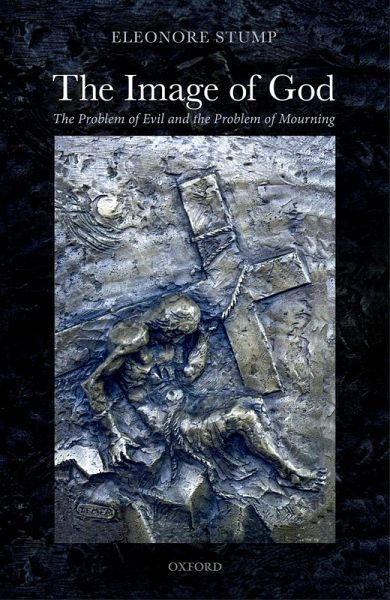
The problem of mourning is the last and hardest part of the problem of evil. To show that suffering is defeated for a sufferer, a theodicy argues that there is an outweighing benefit which could not have been gotten without the suffering. Typically, this condition has the tacit presupposition given that this is a post-Fall world. Consequently, there is a sense in which human suffering would not be shown to be defeated even if there were a successful theodicy because a theodicy typically implies that the benefit in question could have been gotten without the suffering if there had not been a Fall. There is a part of the problem of evil that would remain, then, even if there were a successful theodicy. This is the problem of mourning: even defeated suffering in the post-Fall world merits mourning. How is this warranted mourning compatible with the existence of an omniscient, omnipotent, perfectly good God? The traditional response to this problem is the felix culpa view, which maintains that the original sin was fortunate because there is an outweighing benefit to sufferers that could not be gotten in a world without suffering. The felix culpa view presupposes an object of evaluation, namely, the true self of a human being, and a standard of evaluation for human lives. This book explores these and a variety of other topics in philosophical theology in order to explain and evaluate the role of suffering in human lives.
Dieser Download kann aus rechtlichen Gründen nur mit Rechnungsadresse in A, B, BG, CY, CZ, D, DK, EW, E, FIN, F, GR, HR, H, IRL, I, LT, L, LR, M, NL, PL, P, R, S, SLO, SK ausgeliefert werden.