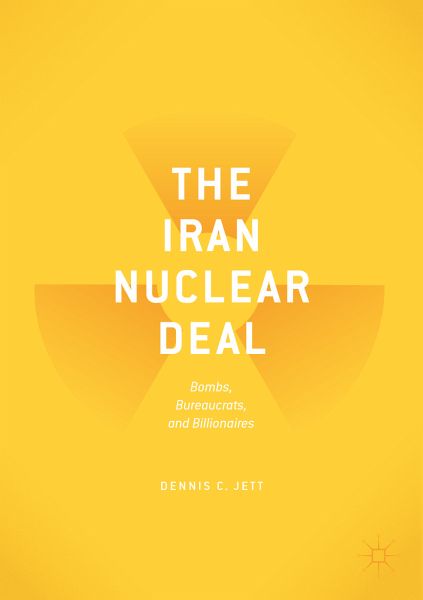
26,95 €
inkl. MwSt.
Sofort per Download lieferbar
13 °P sammeln

Andere Kunden interessierten sich auch für
") U.S. Foreign Policy Discourse and the Israel Lobby (eBook, PDF)72,95 €
U.S. Foreign Policy Discourse and the Israel Lobby (eBook, PDF)72,95 €") US Assistance, Development, and Hierarchy in the Middle East (eBook, PDF)90,95 €
US Assistance, Development, and Hierarchy in the Middle East (eBook, PDF)90,95 €") Lobbying and Foreign Interests in Chinese Politics (eBook, PDF)72,95 €
Lobbying and Foreign Interests in Chinese Politics (eBook, PDF)72,95 €") The Reagan Manifesto (eBook, PDF)40,95 €
The Reagan Manifesto (eBook, PDF)40,95 €") Asia Pacific Countries and the US Rebalancing Strategy (eBook, PDF)72,95 €
Asia Pacific Countries and the US Rebalancing Strategy (eBook, PDF)72,95 €") Changing US Foreign Policy toward India (eBook, PDF)72,95 €
Changing US Foreign Policy toward India (eBook, PDF)72,95 €") Great Power Conduct and Credibility in World Politics (eBook, PDF)80,95 €
Great Power Conduct and Credibility in World Politics (eBook, PDF)80,95 €




Presents the first comprehensive academic study of the negotiations surrounding the landmark Iran nuclear deal
Uniquely addresses the rise of private interests and private authority taking a stake in major US foreign policymaking
Offers an empirical and analytical account of international dealmaking from a seasoned and well-known diplomat
Dieser Download kann aus rechtlichen Gründen nur mit Rechnungsadresse in A, B, BG, CY, CZ, D, DK, EW, E, FIN, F, GR, HR, H, IRL, I, LT, L, LR, M, NL, PL, P, R, S, SLO, SK ausgeliefert werden.
"For those interested in a detailed recitation of resources, "The Iran Nuclear Deal" should please given its thorough analysis of the problems plaguing not only this particular accord, but also future diplomatic negotiations." (Adam Reinherz, Pittsburgh Jewish Chronicle, December, 2017)
"In this book on the politics of the Iran nuclear deal, Jett takes an interesting, if imperfect, look at the domestic actors that sought to influence U.S. policy before and after the international negotiations that led to the deal. ... it helps readers understand the complicated links between domestic politics and foreign policy that presidents and diplomats neglect at their peril." (Foreign Affairs, March-April, 2018)
"In this book on the politics of the Iran nuclear deal, Jett takes an interesting, if imperfect, look at the domestic actors that sought to influence U.S. policy before and after the international negotiations that led to the deal. ... it helps readers understand the complicated links between domestic politics and foreign policy that presidents and diplomats neglect at their peril." (Foreign Affairs, March-April, 2018)