Sofort per Download lieferbar

- Format: PDF
- Merkliste
- Auf die Merkliste
- Bewerten Bewerten
- Teilen
- Produkt teilen
- Produkterinnerung
- Produkterinnerung

Hier können Sie sich einloggen
Bitte loggen Sie sich zunächst in Ihr Kundenkonto ein oder registrieren Sie sich bei bücher.de, um das eBook-Abo tolino select nutzen zu können.
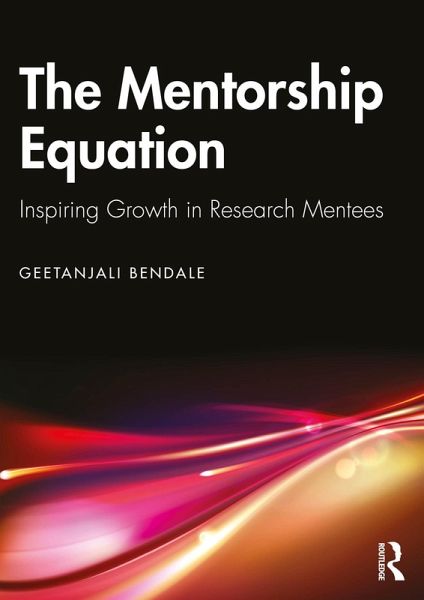
This textbook navigates through the complex landscape of mentorship in academic research across all levels of education. Delving into the foundational aspects of mentorship, it meticulously outlines historical perspectives, theoretical frameworks, and the essential characteristics of effective mentors and mentees.
Through detailed exploration of the mentor-mentee relationship, this book provides insights into building trust, establishing clear expectations, and fostering effective communication strategies. It addresses crucial aspects of mentorship practice, including promoting diversity…mehr
- Geräte: PC
- mit Kopierschutz
- eBook Hilfe
- Größe: 1.97MB
Through detailed exploration of the mentor-mentee relationship, this book provides insights into building trust, establishing clear expectations, and fostering effective communication strategies. It addresses crucial aspects of mentorship practice, including promoting diversity and inclusivity, ethical considerations, and professional development for mentors. It also explores the vital areas of mental well-being for both mentors and mentees, emphasizing the importance of recognizing signs of mental health challenges and fostering supportive relationships.
Enhanced with assessment tools for mentoring effectiveness, appendices, and a wealth of examples, this interdisciplinary volume serves as an indispensable resource for undergraduate and postgraduate students, researchers, educators, and mentors alike. It can be adopted across various streams and departments which includes Management, Psychology, Education, Sociology, Anthropology, and STEM (Science, Technology, Engineering, and Mathematics) research. Its comprehensive approach not only educates but also prepares readers for practical challenges, making it an essential tool for aspiring business managers and corporate leaders from a myriad of industries.
Dieser Download kann aus rechtlichen Gründen nur mit Rechnungsadresse in A, B, BG, CY, CZ, D, DK, EW, E, FIN, F, GR, HR, H, IRL, I, LT, L, LR, M, NL, PL, P, R, S, SLO, SK ausgeliefert werden.
- Produktdetails
- Verlag: Taylor & Francis eBooks
- Seitenzahl: 304
- Erscheinungstermin: 16. April 2025
- Englisch
- ISBN-13: 9781040345177
- Artikelnr.: 73737586
- Verlag: Taylor & Francis eBooks
- Seitenzahl: 304
- Erscheinungstermin: 16. April 2025
- Englisch
- ISBN-13: 9781040345177
- Artikelnr.: 73737586
- Herstellerkennzeichnung Die Herstellerinformationen sind derzeit nicht verfügbar.
Introduction 1 1 Introduction to Research 3 1.1 Defining Mentoring in
Research 3 1.2 Mentoring Across the Academic Levels 5 1.3 Overview of the
Book Structure 6 PART II Understanding Mentoring in Research 15 2
Foundations of Mentorship 17 2.1 Historical Perspectives on Mentorship 17
2.2 Theoretical Frameworks for Mentoring 18 2.3 Characteristics of
Effective Mentors and Mentees 21 3 The Mentor-Mentee Relationship 24 3.1
Building Trust and Rapport 24 3.2 Establishing Clear Expectations 25 3.3
Communication Strategies for Effective Mentoring 27 4 Roles and
Responsibilities 29 4.1 Mentor Roles in Guiding UG, PG, and PhD/DBA
Research 29 4.2 Mentees' Responsibility in the Research Process 31 4.3
Balancing Support and Independence 32 PART III Mentoring Undergraduate
Research 35 5 Introduction to Undergraduate Research 37 5.1 Benefits and
Opportunities 37 5.2 Identifying Potential UG Research Mentees 38 5.3
Designing Engaging Research Projects 40 6 Supporting UG Research Mentees
43 6.1 Providing Structured Guidance 43 6.2 Cultivating Critical Thinking
and Problem-Solving Skills 45 6.3 Navigating Challenges in UG Research 47
PART IV Mentoring Postgraduate Research 57 7 Transitioning to Postgraduate
Research 59 7.1 Understanding PG Research Dynamics 59 7.2 Mentoring the PG
Students on Project Development 60 7.3 Setting Clear Research Objectives
and Goals 62 8 Supervising PG Research Projects 64 8.1 Effective Project
Management Strategies 64 8.2 Providing Feedback and Evaluation 65 8.3
Addressing Common PG Research Challenges 67 PART V Mentoring Doctoral/DBA
Research 69 9 Doctoral/DBA Research Landscape 71 9.1 Overview of the
PhD/DBA Journey 71 9.2 Overview of the PhD/DBA Journey 73 9.3 Selecting and
Approaching Potential PhD/DBA Mentees 74 10 Guiding Doctoral/DBA
Dissertations 78 10.1 Supporting Literature Reviews and Research Design 78
10.2 Facilitating Data Collection and Analysis 79 10.3 Ensuring Progress
and Timely Completion 81 11 Effective Mentorship across Academic Levels 83
11.1 Fostering Effective Mentor-Mentee Relationships throughout the
Research Journey for Levels 83 11.2 Exploring Common Themes, Challenges,
and Best Practices in Mentorship across Various Disciplines 84 11.3
Understanding the Research Journey across Different Academic Levels 87
PART VI Exploring Interdisciplinary Perspectives: Mentoring Research
Writing Across Domains 91 12 Interdisciplinary Basics 93 12.1 Choosing the
Research Topics 93 12.2 Differences between Research Proposal, Project,
Thesis, and Dissertation 94 12.3 Research Proposal, Project, Thesis, and
Dissertation Across Disciplines 96 13 Setting of Aim Statement in Research
97 13.1 Steps to Formulate Research Aim Statement 97 13.2 Examples of Aim
Statements: 98 13.3 Research Aim and Purpose Comparison 99 14 Formulating
Research Objectives 100 14.1 Understanding the Process 100 14.2 Examples of
Research Objectives 101 15 Formulating Research Questions 104 15.1
Understanding the Process 104 15.2 Examples of Research Questions 105 16
Formulating Research Hypothesis 107 16.1 Understanding the Concept of
Hypothesis 107 16.2 Formulating Hypotheses 107 16.3 Examples of Research
Hypotheses 108 17 Literature Review Writing 114 17.1 Types of Searches for
Literature Review 114 17.2 Literature Review Writing Process 116 18
Research Gaps 118 18.1 Introduction 118 18.2 Types of Research Gaps 118
PART VII Enhancing Mentorship Practices 125 19 Promoting Diversity and
Inclusivity 127 19.1 Fostering Inclusive Mentorship Environments 127 19.2
Addressing Bias and Stereotypes in Mentoring 128 20 Ethical Considerations
in Mentoring 133 20.1 Maintaining Integrity in Research Mentoring 133 20.2
Handling Authorship and Publication Ethics 138 20.3 Dealing with Conflicts
of Interest 142 21 Professional Development for Mentors 145 21.1 Continuing
Education and Training Opportunities 145 21.2 Peer Mentorship and
Collaborative Learning 146 21.3 Self-Reflection and Growth as a Mentor 148
PART VIII Mentoring Environments and Mental Wellbeing 151 22 Mentoring in
Virtual and Remote Environments 153 22.1 Effective Communication Strategies
153 22.2 Building Trust and Rapport Virtually 159 22.3 Managing
Expectations in Virtual Mentoring 162 22.4 Technology and Tools for Virtual
Mentoring 164 22.5 Addressing Challenges and Barriers 168 22.6 Cultural
Considerations in Virtual Mentorship 171 22.7 Training and Support for
Virtual Mentors 17422.8 Evaluating Virtual Mentorship Programs 178 22.9
Ethical Considerations in Virtual Mentorship 181 22.10 Future Trends and
Innovations 184 23 Mentoring in Physical Environment 188 23.1 Physical
Proximity and Relationship Building 188 23.2 Creating Mentoring Spaces and
Environments 190 23.3 Observational Learning and Modeling 193 23.4
Utilizing Physical Resources for Mentorship 196 23.5 Facilitating
Serendipitous Interactions 199 23.6 Navigating Hierarchical Structures and
Power Dynamics 202 23.7 Supporting Diversity and Inclusion in Physical
Mentorship Spaces 205 23.8 Assessing Mentorship Climate and Culture 210
23.9 Physical Health and Well-Being in Mentorship 213 23.10 Ethical
Considerations in Physical Mentorship 216 24 Mental Health and Well-Being
of Mentors and Mentees 221 24.1 Recognizing Signs of Mental Health
Challenges 221 24.2 Promoting Work-Life Balance 224 24.3 Creating
Supportive Mentorship Relationships 226 24.4 Accessing Mental Health
Resources 229 24.5 Self-Care Practices for Mentors and Mentees 232 24.6
Peer Support and Community Building 234 24.7 Training in Mental Health
Awareness and Support 237 24.8 Balancing Academic Pressure with
Self-Compassion 240 24.9 Advocating for Institutional Mental Health
Policies 243 25 Assessment Tools for Mentoring Effectiveness 247 25.1
Mentoring Effectiveness Scale (MES) 247 25.2 Mentoring Competency
Assessment (MCA) 248 25.3 Mentor-Mentee Relationship Scale (MMRS) 249 25.4
Mentoring Relationship Quality Scale (MRQS) 250 25.5 Mentoring Assessment
Tool (MAT) 251 25.6 Mentoring Competency Assessment Questionnaire (MCAQ)
252 25.7 Mentoring Effectiveness Inventory (MEI) 254 25.8 Mentoring
Relationship Questionnaire (MRQ) 255 25.9 Mentor Evaluation Form (MEF) 256
25.10 Mentoring Impact Assessment (MIA) 257 Appendices 260 A.1 Mentoring
Effectiveness Scale (MES) 260 A.2 Mentoring Competency Assessment (MCA) 262
A.3 Mentor-Mentee Relationship Scale (MMRS) 265 A.4 Mentoring Relationship
Quality Scale (MRQS) 266 A.5 Mentoring Assessment Tool (MAT) 268 A.6
Mentoring Competency Assessment Questionnaire (MCAQ) 269 A.7 Mentoring
Effectiveness Inventory (MEI) 271 A.8 Mentoring Relationship Questionnaire
(MRQ) 272 A.9 Mentor Evaluation Form (MEF) 273 A.10 Mentoring Impact
Assessment (MIA) 274 Bibliography 275
Introduction 1 1 Introduction to Research 3 1.1 Defining Mentoring in
Research 3 1.2 Mentoring Across the Academic Levels 5 1.3 Overview of the
Book Structure 6 PART II Understanding Mentoring in Research 15 2
Foundations of Mentorship 17 2.1 Historical Perspectives on Mentorship 17
2.2 Theoretical Frameworks for Mentoring 18 2.3 Characteristics of
Effective Mentors and Mentees 21 3 The Mentor-Mentee Relationship 24 3.1
Building Trust and Rapport 24 3.2 Establishing Clear Expectations 25 3.3
Communication Strategies for Effective Mentoring 27 4 Roles and
Responsibilities 29 4.1 Mentor Roles in Guiding UG, PG, and PhD/DBA
Research 29 4.2 Mentees' Responsibility in the Research Process 31 4.3
Balancing Support and Independence 32 PART III Mentoring Undergraduate
Research 35 5 Introduction to Undergraduate Research 37 5.1 Benefits and
Opportunities 37 5.2 Identifying Potential UG Research Mentees 38 5.3
Designing Engaging Research Projects 40 6 Supporting UG Research Mentees
43 6.1 Providing Structured Guidance 43 6.2 Cultivating Critical Thinking
and Problem-Solving Skills 45 6.3 Navigating Challenges in UG Research 47
PART IV Mentoring Postgraduate Research 57 7 Transitioning to Postgraduate
Research 59 7.1 Understanding PG Research Dynamics 59 7.2 Mentoring the PG
Students on Project Development 60 7.3 Setting Clear Research Objectives
and Goals 62 8 Supervising PG Research Projects 64 8.1 Effective Project
Management Strategies 64 8.2 Providing Feedback and Evaluation 65 8.3
Addressing Common PG Research Challenges 67 PART V Mentoring Doctoral/DBA
Research 69 9 Doctoral/DBA Research Landscape 71 9.1 Overview of the
PhD/DBA Journey 71 9.2 Overview of the PhD/DBA Journey 73 9.3 Selecting and
Approaching Potential PhD/DBA Mentees 74 10 Guiding Doctoral/DBA
Dissertations 78 10.1 Supporting Literature Reviews and Research Design 78
10.2 Facilitating Data Collection and Analysis 79 10.3 Ensuring Progress
and Timely Completion 81 11 Effective Mentorship across Academic Levels 83
11.1 Fostering Effective Mentor-Mentee Relationships throughout the
Research Journey for Levels 83 11.2 Exploring Common Themes, Challenges,
and Best Practices in Mentorship across Various Disciplines 84 11.3
Understanding the Research Journey across Different Academic Levels 87
PART VI Exploring Interdisciplinary Perspectives: Mentoring Research
Writing Across Domains 91 12 Interdisciplinary Basics 93 12.1 Choosing the
Research Topics 93 12.2 Differences between Research Proposal, Project,
Thesis, and Dissertation 94 12.3 Research Proposal, Project, Thesis, and
Dissertation Across Disciplines 96 13 Setting of Aim Statement in Research
97 13.1 Steps to Formulate Research Aim Statement 97 13.2 Examples of Aim
Statements: 98 13.3 Research Aim and Purpose Comparison 99 14 Formulating
Research Objectives 100 14.1 Understanding the Process 100 14.2 Examples of
Research Objectives 101 15 Formulating Research Questions 104 15.1
Understanding the Process 104 15.2 Examples of Research Questions 105 16
Formulating Research Hypothesis 107 16.1 Understanding the Concept of
Hypothesis 107 16.2 Formulating Hypotheses 107 16.3 Examples of Research
Hypotheses 108 17 Literature Review Writing 114 17.1 Types of Searches for
Literature Review 114 17.2 Literature Review Writing Process 116 18
Research Gaps 118 18.1 Introduction 118 18.2 Types of Research Gaps 118
PART VII Enhancing Mentorship Practices 125 19 Promoting Diversity and
Inclusivity 127 19.1 Fostering Inclusive Mentorship Environments 127 19.2
Addressing Bias and Stereotypes in Mentoring 128 20 Ethical Considerations
in Mentoring 133 20.1 Maintaining Integrity in Research Mentoring 133 20.2
Handling Authorship and Publication Ethics 138 20.3 Dealing with Conflicts
of Interest 142 21 Professional Development for Mentors 145 21.1 Continuing
Education and Training Opportunities 145 21.2 Peer Mentorship and
Collaborative Learning 146 21.3 Self-Reflection and Growth as a Mentor 148
PART VIII Mentoring Environments and Mental Wellbeing 151 22 Mentoring in
Virtual and Remote Environments 153 22.1 Effective Communication Strategies
153 22.2 Building Trust and Rapport Virtually 159 22.3 Managing
Expectations in Virtual Mentoring 162 22.4 Technology and Tools for Virtual
Mentoring 164 22.5 Addressing Challenges and Barriers 168 22.6 Cultural
Considerations in Virtual Mentorship 171 22.7 Training and Support for
Virtual Mentors 17422.8 Evaluating Virtual Mentorship Programs 178 22.9
Ethical Considerations in Virtual Mentorship 181 22.10 Future Trends and
Innovations 184 23 Mentoring in Physical Environment 188 23.1 Physical
Proximity and Relationship Building 188 23.2 Creating Mentoring Spaces and
Environments 190 23.3 Observational Learning and Modeling 193 23.4
Utilizing Physical Resources for Mentorship 196 23.5 Facilitating
Serendipitous Interactions 199 23.6 Navigating Hierarchical Structures and
Power Dynamics 202 23.7 Supporting Diversity and Inclusion in Physical
Mentorship Spaces 205 23.8 Assessing Mentorship Climate and Culture 210
23.9 Physical Health and Well-Being in Mentorship 213 23.10 Ethical
Considerations in Physical Mentorship 216 24 Mental Health and Well-Being
of Mentors and Mentees 221 24.1 Recognizing Signs of Mental Health
Challenges 221 24.2 Promoting Work-Life Balance 224 24.3 Creating
Supportive Mentorship Relationships 226 24.4 Accessing Mental Health
Resources 229 24.5 Self-Care Practices for Mentors and Mentees 232 24.6
Peer Support and Community Building 234 24.7 Training in Mental Health
Awareness and Support 237 24.8 Balancing Academic Pressure with
Self-Compassion 240 24.9 Advocating for Institutional Mental Health
Policies 243 25 Assessment Tools for Mentoring Effectiveness 247 25.1
Mentoring Effectiveness Scale (MES) 247 25.2 Mentoring Competency
Assessment (MCA) 248 25.3 Mentor-Mentee Relationship Scale (MMRS) 249 25.4
Mentoring Relationship Quality Scale (MRQS) 250 25.5 Mentoring Assessment
Tool (MAT) 251 25.6 Mentoring Competency Assessment Questionnaire (MCAQ)
252 25.7 Mentoring Effectiveness Inventory (MEI) 254 25.8 Mentoring
Relationship Questionnaire (MRQ) 255 25.9 Mentor Evaluation Form (MEF) 256
25.10 Mentoring Impact Assessment (MIA) 257 Appendices 260 A.1 Mentoring
Effectiveness Scale (MES) 260 A.2 Mentoring Competency Assessment (MCA) 262
A.3 Mentor-Mentee Relationship Scale (MMRS) 265 A.4 Mentoring Relationship
Quality Scale (MRQS) 266 A.5 Mentoring Assessment Tool (MAT) 268 A.6
Mentoring Competency Assessment Questionnaire (MCAQ) 269 A.7 Mentoring
Effectiveness Inventory (MEI) 271 A.8 Mentoring Relationship Questionnaire
(MRQ) 272 A.9 Mentor Evaluation Form (MEF) 273 A.10 Mentoring Impact
Assessment (MIA) 274 Bibliography 275