0,49 €
0,49 €
inkl. MwSt.
Sofort per Download lieferbar

0 °P sammeln
0,49 €
Als Download kaufen
0,49 €
inkl. MwSt.
Sofort per Download lieferbar
0 °P sammeln
Jetzt verschenken
Alle Infos zum eBook verschenken
0,49 €
inkl. MwSt.
Sofort per Download lieferbar
Alle Infos zum eBook verschenken
0 °P sammeln

Andere Kunden interessierten sich auch für
") The Middy and the Moors An Algerine Story (eBook, ePUB)1,99 €
The Middy and the Moors An Algerine Story (eBook, ePUB)1,99 €") The Moor's Account (eBook, ePUB)6,99 €
The Moor's Account (eBook, ePUB)6,99 € (eBook, ePUB)") Sir Quixote of the Moors by John Buchan - Delphi Classics (Illustrated) (eBook, ePUB)0,91 €
Sir Quixote of the Moors by John Buchan - Delphi Classics (Illustrated) (eBook, ePUB)0,91 €") Sir Quixote of the Moors (eBook, ePUB)1,99 €
Sir Quixote of the Moors (eBook, ePUB)1,99 €") The Book Eaters (eBook, ePUB)8,44 €
The Book Eaters (eBook, ePUB)8,44 €") Sword of the Alhambra: A Tale of Ancient Spain (eBook, ePUB)4,99 €
Sword of the Alhambra: A Tale of Ancient Spain (eBook, ePUB)4,99 €") Sir Quixote of the Moors (eBook, ePUB)1,49 €
Sir Quixote of the Moors (eBook, ePUB)1,49 €
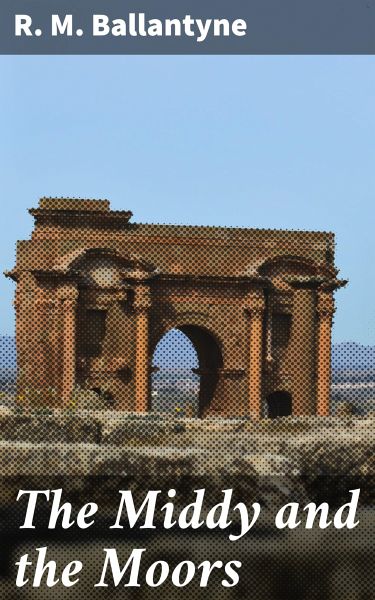
R. M. Ballantyne's "The Middy and the Moors" transports readers to the rugged landscapes of 19th-century England, where the trials and tribulations of young protagonist, the midshipman, unfold against a backdrop of adventure and moral growth. Ballantyne employs a vivid narrative style, rich in descriptive detail and character exploration, which serves to immerse readers in the natural beauty and societal challenges of the moors. This work, emblematic of the Victorian era'Äôs fascination with exploration and the coming-of-age genre, balances thrilling escapades with deeper themes of friendship, resilience, and the quest for identity. R. M. Ballantyne, born in 1825, was an influential Scottish author whose own adventurous upbringing and interests in naval life and natural history profoundly shaped his writing. His experiences, including time spent in the service of the Hudson's Bay Company and the maritime world, provide authenticity and insight into the youth he portrays. Ballantyne's works often reflect his belief in instilling moral values amidst adventurous narratives, making him a prominent figure in the literature aimed at young readers. "The Middy and the Moors" is not only an exhilarating read for adventure enthusiasts but also an insightful exploration of character development that appeals to all ages. Ballantyne's ability to intertwine adventure with valuable life lessons ensures that this novel remains a timeless treasure, making it a must-read for anyone interested in classic literature, youth culture of the past, or the art of storytelling itself.
Dieser Download kann aus rechtlichen Gründen nur mit Rechnungsadresse in A, B, BG, CY, CZ, D, DK, EW, E, FIN, F, GR, H, IRL, I, LT, L, LR, M, NL, PL, P, R, S, SLO, SK ausgeliefert werden.