4,99 €
4,99 €
inkl. MwSt.
Sofort per Download lieferbar

2 °P sammeln
4,99 €
Als Download kaufen
4,99 €
inkl. MwSt.
Sofort per Download lieferbar
2 °P sammeln
Jetzt verschenken
Alle Infos zum eBook verschenken
4,99 €
inkl. MwSt.
Sofort per Download lieferbar
Alle Infos zum eBook verschenken
2 °P sammeln

Andere Kunden interessierten sich auch für
") Affirming the Imamate: Early Fatimid Teachings in the Islamic West (eBook, ePUB)19,95 €
Affirming the Imamate: Early Fatimid Teachings in the Islamic West (eBook, ePUB)19,95 €") The Islam Book (eBook, ePUB)9,99 €
The Islam Book (eBook, ePUB)9,99 € (eBook, ePUB)") The Evolution of the American Liberal (Evolution Series, #5) (eBook, ePUB)3,49 €
The Evolution of the American Liberal (Evolution Series, #5) (eBook, ePUB)3,49 €") Rediscovering the Islamic Classics (eBook, ePUB)20,95 €
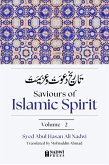
Rediscovering the Islamic Classics (eBook, ePUB)20,95 €") Saviours of Islamic Spirit - Vol. 2 (eBook, ePUB)5,99 €
Saviours of Islamic Spirit - Vol. 2 (eBook, ePUB)5,99 €") The Mishkat Al-Anwar of Al-Ghazzali (eBook, ePUB)2,99 €
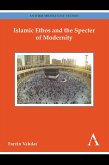
The Mishkat Al-Anwar of Al-Ghazzali (eBook, ePUB)2,99 €") Islamic Ethos and the Specter of Modernity (eBook, ePUB)23,95 €
Islamic Ethos and the Specter of Modernity (eBook, ePUB)23,95 €


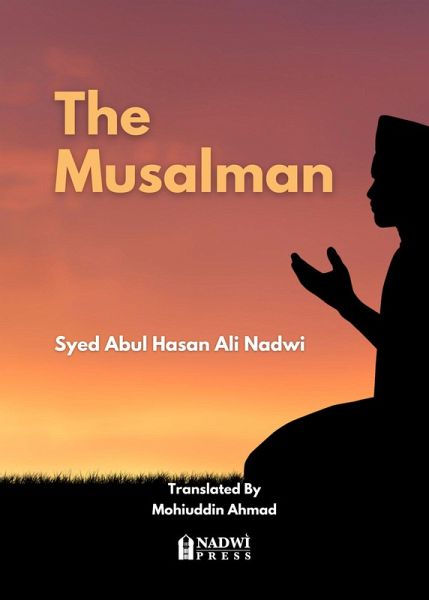
The Musalman represents a singular achievement in Islamic literature and interfaith communication. Written in the early 1970s during a crucial period of post-independence India, this work addresses a gap that had persisted despite a millennium of Hindu-Muslim coexistence: the absence of reliable, accessible information about Muslim religious beliefs and cultural practices for non-Muslim audiences. Sayyid Abul Hasan Ali Nadwi, one of the twentieth century's most influential Islamic scholars, undertook this project with a clear purposeto present Muslim life as it is actually lived, without the distortions of sectarian propaganda, academic jargon, or apologetic defensiveness.
The work's originality lies in its approach. Unlike philosophical treatises on Islamic theology or polemical defenses of Muslim civilization, The Musalman adopts a strictly informative stance. Nadwi compares his method to "a study in still lifea portraiture of life seen through a photograph rather than a decorative painting." This commitment to factual representation shapes every chapter, from descriptions of birth ceremonies to explanations of pilgrimage rituals. The author neither conceals practices that may seem foreign to non-Muslim readers nor apologizes for Islamic distinctiveness. Instead, he presents Muslim religious conviction alongside the Qurʾanic principle that "for you is your religion, and for me is my religion"affirming both commitment to religious truth and respect for India's pluralistic heritage.
The book's structure progresses systematically through the Muslim lifecycle and religious observances. Part I examines childhood, from the adhan called in a newborn's ear through the bismillah ceremony marking educational initiation. Nadwi explains the aqiqah sacrifice, circumcision, and the teaching of Qurʾanic recitation. These chapters reveal how Muslim families instill religious identity and moral values from infancy, creating patterns that shape lifelong practice. The attention to detaildescribing exactly what prayers are recited, what customs have Prophetic sanction, and which practices reflect Indian rather than universal Islamic traditionmakes this section invaluable for understanding Muslim child-rearing.
Part II addresses adulthood, focusing extensively on marriage. Here Nadwi's analysis becomes particularly nuanced. He explains the Islamic ideal of simple, spiritually focused marriage while acknowledging that Indian Muslim marriages have become occasions for ostentatious display that contradict religious teachings. The discussion of caste considerations in marriage selection, dowry customs, and the tilak demand reveals how Indian Muslims have absorbed practices from their Hindu neighbors despite Islamic egalitarian principles. Yet Nadwi also explains Islamic innovations: the contractual nature of nika?, the mahr paid to the bride, and the religious discourse delivered during the ceremony. The section on death and burial similarly balances universal Islamic practices (ritual washing, shrouding, funeral prayer) with Indian customs (specific commemorative rites).
Part III explores social life, examining the "admixture of Islamic and Indian cultures" that characterizes Muslim society in the subcontinent. The purdah system, hospitality customs, table manners, and dwelling architecture all receive attention. Nadwi addresses the paradox of caste among Indian Muslimshow a religion founded on radical equality developed social stratification resembling Hindu caste structure. His analysis neither condemns this development nor defends it, instead explaining the historical processes and ongoing changes affecting these patterns. Sections on women's position, respect for elders, and widow remarriage demonstrate how Islamic teachings interact with local customs, sometimes reinforcing and sometimes challenging traditional practices.
Part IV details festivals and celebrations. The two major ʿId festivals receive thorough treatment, as does Ramadan, the month of fasting. Nadwi explains the religious significance of each observance while describing the social customs surrounding celebrations. The discussion of Muharram proves particularly valuable, explaining Sunni and Shia approaches to commemorating ?usayn's martyrdom while respecting both perspectives. Sections on the Prophet's birthday, Shab-i-Barat, and local festivals reveal the diversity of Muslim commemorative practices and the tension between those sanctioned by classical scholarship and popular devotional customs.
Part V, the book's longest section, explicates the creed and religious observances. Nadwi begins with theologymonotheism, prophethood, and resurrectionbefore detailing the five pillars of Islam. The explanation of prayer (?alat) includes the call to prayer, ritual ablution, and the movements and recitations of each prayer. The Friday sermon appears in full, illustrating how religious instruction connects to daily life. Zakat (almsgiving), fasting, and pilgrimage receive similarly detailed treatment. The pilgrimage section follows Indian Muslims from departure through the donning of i?ram garments, circumambulation of the Kaʿbah, standing at ʿArafat, and return home. These chapters transform abstract doctrine into lived experience, showing how theological commitments shape daily routines and annual rhythms.
Part VI examines distinctive characteristics of Indian Muslim life. Nadwi addresses the inviolability of shariʿah (Islamic law), explaining why Muslims view divine law as unchangeable in its fundamentals while acknowledging interpretive flexibility in subsidiary matters. The discussion of ritual purity (?aharat) and dietary restrictions illuminates practices that non-Muslims often find puzzling. The section on love for the Prophet Muhammad explains how veneration combines with theological safeguards against deification. The final chapters on hadith scholarship and Islamic brotherhood demonstrate the transnational dimensions of Muslim identity that coexist with patriotic citizenship.
Throughout, Nadwi maintains scholarly precision. Arabic terms receive careful transliteration. Qurʾanic verses appear in both Arabic and English translation. The distinction between practices having scriptural sanction and those reflecting local custom receives consistent attention. Differences between Sunni and Shia practice, between scholarly ideal and popular custom, and between Indian and Arab Muslim traditions all receive acknowledgment. This precision makes the book a reliable reference work rather than mere impressionistic description.
The translator, Mohiuddin Ahmad, emphasizes in his preface a crucial insight: Indian Muslims possess a "duality of existence" that makes them "both Indian and Muslim," with neither identity nullifying the other. Understanding this duality proves essential for comprehending Muslim attitudes toward pluralism, religious practice, and political participation. The Musalman embodies this principle, presenting Islam's universal claims alongside recognition of India's diverse religious landscape.
Nadwi wrote during a period when Hindu-Muslim communal tensions periodically erupted into violence, when debates about minority rights and national integration dominated political discourse, and when the Muslim community faced questions about its place in independent India. These concerns motivated the book's composition but do not limit its relevance. The fundamental questions addressedWhat do Muslims believe? How do beliefs shape practice? What customs are religious versus cultural?remain vital for anyone seeking to understand Muslim neighbors, colleagues, and fellow citizens.
The Musalman serves multiple audiences. Journalists covering Muslim communities gain reliable information on religious observances and cultural sensitivities. Educators teaching about religious diversity find accessible explanations of Islamic practice. Social workers and government officials serving Muslim populations learn about customs affecting everything from dietary needs to funeral arrangements. General readers curious about the faith of nearly two hundred million Indian Muslims discover a comprehensive introduction written by a respected insider willing to explain his tradition clearly.
The work's enduring value lies in its combination of authority and accessibility, comprehensiveness and clarity, insider perspective and genuine desire for mutual understanding. Nadwi writes neither to convert readers nor to defend Islam against criticism, but to illuminate a way of life shaped by fourteen centuries of religious tradition interacting with centuries of Indian cultural influence. In an era when ignorance fuels suspicion and knowledge remains the antidote to prejudice, The Musalman performs an essential service.
The work's originality lies in its approach. Unlike philosophical treatises on Islamic theology or polemical defenses of Muslim civilization, The Musalman adopts a strictly informative stance. Nadwi compares his method to "a study in still lifea portraiture of life seen through a photograph rather than a decorative painting." This commitment to factual representation shapes every chapter, from descriptions of birth ceremonies to explanations of pilgrimage rituals. The author neither conceals practices that may seem foreign to non-Muslim readers nor apologizes for Islamic distinctiveness. Instead, he presents Muslim religious conviction alongside the Qurʾanic principle that "for you is your religion, and for me is my religion"affirming both commitment to religious truth and respect for India's pluralistic heritage.
The book's structure progresses systematically through the Muslim lifecycle and religious observances. Part I examines childhood, from the adhan called in a newborn's ear through the bismillah ceremony marking educational initiation. Nadwi explains the aqiqah sacrifice, circumcision, and the teaching of Qurʾanic recitation. These chapters reveal how Muslim families instill religious identity and moral values from infancy, creating patterns that shape lifelong practice. The attention to detaildescribing exactly what prayers are recited, what customs have Prophetic sanction, and which practices reflect Indian rather than universal Islamic traditionmakes this section invaluable for understanding Muslim child-rearing.
Part II addresses adulthood, focusing extensively on marriage. Here Nadwi's analysis becomes particularly nuanced. He explains the Islamic ideal of simple, spiritually focused marriage while acknowledging that Indian Muslim marriages have become occasions for ostentatious display that contradict religious teachings. The discussion of caste considerations in marriage selection, dowry customs, and the tilak demand reveals how Indian Muslims have absorbed practices from their Hindu neighbors despite Islamic egalitarian principles. Yet Nadwi also explains Islamic innovations: the contractual nature of nika?, the mahr paid to the bride, and the religious discourse delivered during the ceremony. The section on death and burial similarly balances universal Islamic practices (ritual washing, shrouding, funeral prayer) with Indian customs (specific commemorative rites).
Part III explores social life, examining the "admixture of Islamic and Indian cultures" that characterizes Muslim society in the subcontinent. The purdah system, hospitality customs, table manners, and dwelling architecture all receive attention. Nadwi addresses the paradox of caste among Indian Muslimshow a religion founded on radical equality developed social stratification resembling Hindu caste structure. His analysis neither condemns this development nor defends it, instead explaining the historical processes and ongoing changes affecting these patterns. Sections on women's position, respect for elders, and widow remarriage demonstrate how Islamic teachings interact with local customs, sometimes reinforcing and sometimes challenging traditional practices.
Part IV details festivals and celebrations. The two major ʿId festivals receive thorough treatment, as does Ramadan, the month of fasting. Nadwi explains the religious significance of each observance while describing the social customs surrounding celebrations. The discussion of Muharram proves particularly valuable, explaining Sunni and Shia approaches to commemorating ?usayn's martyrdom while respecting both perspectives. Sections on the Prophet's birthday, Shab-i-Barat, and local festivals reveal the diversity of Muslim commemorative practices and the tension between those sanctioned by classical scholarship and popular devotional customs.
Part V, the book's longest section, explicates the creed and religious observances. Nadwi begins with theologymonotheism, prophethood, and resurrectionbefore detailing the five pillars of Islam. The explanation of prayer (?alat) includes the call to prayer, ritual ablution, and the movements and recitations of each prayer. The Friday sermon appears in full, illustrating how religious instruction connects to daily life. Zakat (almsgiving), fasting, and pilgrimage receive similarly detailed treatment. The pilgrimage section follows Indian Muslims from departure through the donning of i?ram garments, circumambulation of the Kaʿbah, standing at ʿArafat, and return home. These chapters transform abstract doctrine into lived experience, showing how theological commitments shape daily routines and annual rhythms.
Part VI examines distinctive characteristics of Indian Muslim life. Nadwi addresses the inviolability of shariʿah (Islamic law), explaining why Muslims view divine law as unchangeable in its fundamentals while acknowledging interpretive flexibility in subsidiary matters. The discussion of ritual purity (?aharat) and dietary restrictions illuminates practices that non-Muslims often find puzzling. The section on love for the Prophet Muhammad explains how veneration combines with theological safeguards against deification. The final chapters on hadith scholarship and Islamic brotherhood demonstrate the transnational dimensions of Muslim identity that coexist with patriotic citizenship.
Throughout, Nadwi maintains scholarly precision. Arabic terms receive careful transliteration. Qurʾanic verses appear in both Arabic and English translation. The distinction between practices having scriptural sanction and those reflecting local custom receives consistent attention. Differences between Sunni and Shia practice, between scholarly ideal and popular custom, and between Indian and Arab Muslim traditions all receive acknowledgment. This precision makes the book a reliable reference work rather than mere impressionistic description.
The translator, Mohiuddin Ahmad, emphasizes in his preface a crucial insight: Indian Muslims possess a "duality of existence" that makes them "both Indian and Muslim," with neither identity nullifying the other. Understanding this duality proves essential for comprehending Muslim attitudes toward pluralism, religious practice, and political participation. The Musalman embodies this principle, presenting Islam's universal claims alongside recognition of India's diverse religious landscape.
Nadwi wrote during a period when Hindu-Muslim communal tensions periodically erupted into violence, when debates about minority rights and national integration dominated political discourse, and when the Muslim community faced questions about its place in independent India. These concerns motivated the book's composition but do not limit its relevance. The fundamental questions addressedWhat do Muslims believe? How do beliefs shape practice? What customs are religious versus cultural?remain vital for anyone seeking to understand Muslim neighbors, colleagues, and fellow citizens.
The Musalman serves multiple audiences. Journalists covering Muslim communities gain reliable information on religious observances and cultural sensitivities. Educators teaching about religious diversity find accessible explanations of Islamic practice. Social workers and government officials serving Muslim populations learn about customs affecting everything from dietary needs to funeral arrangements. General readers curious about the faith of nearly two hundred million Indian Muslims discover a comprehensive introduction written by a respected insider willing to explain his tradition clearly.
The work's enduring value lies in its combination of authority and accessibility, comprehensiveness and clarity, insider perspective and genuine desire for mutual understanding. Nadwi writes neither to convert readers nor to defend Islam against criticism, but to illuminate a way of life shaped by fourteen centuries of religious tradition interacting with centuries of Indian cultural influence. In an era when ignorance fuels suspicion and knowledge remains the antidote to prejudice, The Musalman performs an essential service.
Dieser Download kann aus rechtlichen Gründen nur mit Rechnungsadresse in A, D ausgeliefert werden.