1,99 €
1,99 €
inkl. MwSt.
Sofort per Download lieferbar

0 °P sammeln
1,99 €
Als Download kaufen
1,99 €
inkl. MwSt.
Sofort per Download lieferbar
0 °P sammeln
Jetzt verschenken
Alle Infos zum eBook verschenken
1,99 €
inkl. MwSt.
Sofort per Download lieferbar
Alle Infos zum eBook verschenken
0 °P sammeln

Andere Kunden interessierten sich auch für
") The Narcotic Drug Problem (eBook, ePUB)1,99 €
The Narcotic Drug Problem (eBook, ePUB)1,99 €") Helping the Problem Drinker (eBook, ePUB)29,95 €
Helping the Problem Drinker (eBook, ePUB)29,95 €") Troubleshooting and Problem-Solving in the IVF Laboratory (eBook, ePUB)41,95 €
Troubleshooting and Problem-Solving in the IVF Laboratory (eBook, ePUB)41,95 €") Women and Problem Gambling (eBook, ePUB)28,95 €
Women and Problem Gambling (eBook, ePUB)28,95 €") Fitness Ultimate solution for your health and weight loss problem (eBook, ePUB)0,00 €
Fitness Ultimate solution for your health and weight loss problem (eBook, ePUB)0,00 €") Counselling Problem Drinkers (eBook, ePUB)27,95 €
Counselling Problem Drinkers (eBook, ePUB)27,95 €") Problem-Based Learning (eBook, ePUB)56,95 €
Problem-Based Learning (eBook, ePUB)56,95 €


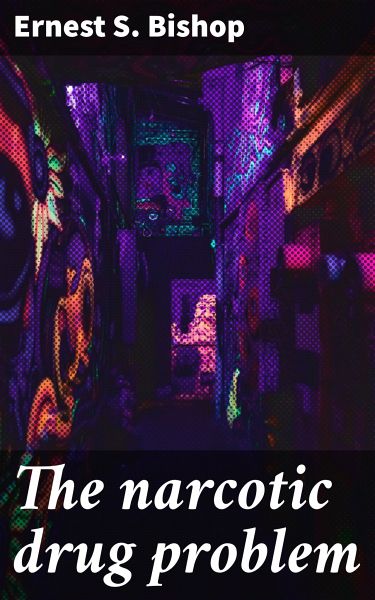
In "The Narcotic Drug Problem," Ernest S. Bishop provides a comprehensive examination of the increasing prevalence of narcotic drugs in society and their socio-economic ramifications. With a keen analytical eye, Bishop employs a blend of empirical research and narrative prose to dissect the complexities surrounding drug addiction, public health, and law enforcement. The book adopts a critical tone in exploring not only the historical context of drug misuse but also the societal responses to the crisis, making it a vital text for understanding the interplay between public policy and individual suffering in the era of expanding narcotic availability. Ernest S. Bishop, a prominent figure in public health studies, intricately weaves his personal experiences and professional insights into the narrative, drawing from a background that encompasses both sociology and medicine. His commitment to addressing the public health crises associated with addiction has driven him to engage with policymakers and communities alike, rooting his arguments in real-world implications and ethical considerations. Bishop's scholarly background equips him with the tools necessary to present a balanced perspective on such a multifaceted issue. This book is essential reading for anyone seeking a deeper understanding of drug-related issues that permeate contemporary society. Bishop's meticulous research and passionate advocacy for reform provide not only a historical backdrop but also a compelling call to action, making "The Narcotic Drug Problem" an indispensable resource for policymakers, scholars, and concerned citizens. In this enriched edition, we have carefully created added value for your reading experience: - Hand-picked Memorable Quotes shine a spotlight on moments of literary brilliance. - Interactive footnotes clarify unusual references, historical allusions, and archaic phrases for an effortless, more informed read.
Dieser Download kann aus rechtlichen Gründen nur mit Rechnungsadresse in A, B, BG, CY, CZ, D, DK, EW, E, FIN, F, GR, H, IRL, I, LT, L, LR, M, NL, PL, P, R, S, SLO, SK ausgeliefert werden.