19,99 €
inkl. MwSt.
Sofort per Download lieferbar
0 °P sammeln

Andere Kunden interessierten sich auch für
") The causes and extent of the late extraordinary sickness and mortality in the town of Mobile (eBook, ePUB)19,99 €
The causes and extent of the late extraordinary sickness and mortality in the town of Mobile (eBook, ePUB)19,99 €") Backwoods Surgery & Medicine (eBook, ePUB)19,99 €
Backwoods Surgery & Medicine (eBook, ePUB)19,99 €") Tobacco War (eBook, ePUB)27,95 €
Tobacco War (eBook, ePUB)27,95 €") Rugged Mercy (eBook, ePUB)14,95 €
Rugged Mercy (eBook, ePUB)14,95 €") Riding the Lightning (eBook, ePUB)13,99 €
Riding the Lightning (eBook, ePUB)13,99 €") The Opium Habit (eBook, ePUB)19,99 €
The Opium Habit (eBook, ePUB)19,99 €") When the City Stopped (eBook, ePUB)10,95 €
When the City Stopped (eBook, ePUB)10,95 €






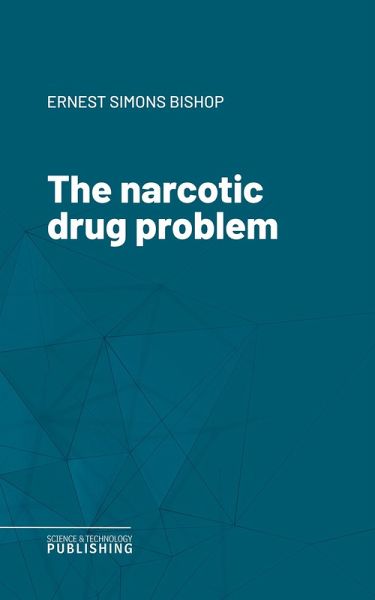
The Narcotic Drug Problem is a comprehensive and insightful examination of the complex issues surrounding narcotic drugs, authored by Charles E. Terry and Mildred Pellens. First published in 1928, this seminal work delves deeply into the historical, medical, legal, and social aspects of narcotic use and addiction, providing a thorough analysis of the causes, consequences, and potential solutions to the narcotic drug crisis of the early twentieth century. Drawing on extensive research, case studies, and statistical data, the authors explore the origins and spread of narcotic addiction, the physiological and psychological effects of drugs such as opium, morphine, and heroin, and the impact of addiction on individuals, families, and society at large. The book offers a detailed account of the evolution of drug control policies in the United States and internationally, highlighting the challenges faced by lawmakers, law enforcement, and medical professionals in addressing the narcotic problem. It discusses the effectiveness of various legislative measures, the role of the medical profession in both perpetuating and combating addiction, and the importance of public education and prevention efforts. The authors also examine the social stigma attached to addiction, the difficulties of treatment and rehabilitation, and the need for a balanced approach that combines regulation, medical care, and social support. Rich in historical context and informed by the scientific knowledge of its time, The Narcotic Drug Problem remains a valuable resource for understanding the roots of modern drug policy and the enduring challenges of narcotic addiction. It is an essential read for students, researchers, policymakers, and anyone interested in the history and ongoing impact of narcotic drugs on society.
Dieser Download kann aus rechtlichen Gründen nur mit Rechnungsadresse in A, B, BG, CY, CZ, D, DK, EW, E, FIN, F, GR, HR, H, IRL, I, LT, L, LR, M, NL, PL, P, R, S, SLO, SK ausgeliefert werden.