21,95 €
inkl. MwSt.
Sofort per Download lieferbar
11 °P sammeln

Andere Kunden interessierten sich auch für
") The Nasty Woman and The Neo Femme Fatale in Contemporary Cinema (eBook, ePUB)21,95 €
The Nasty Woman and The Neo Femme Fatale in Contemporary Cinema (eBook, ePUB)21,95 €") Postfeminism and the Fatale Figure in Neo-Noir Cinema (eBook, PDF)28,95 €
Postfeminism and the Fatale Figure in Neo-Noir Cinema (eBook, PDF)28,95 €") Fifty-One Key Feminist Thinkers (eBook, PDF)29,95 €
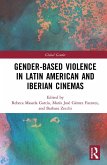
Fifty-One Key Feminist Thinkers (eBook, PDF)29,95 €") Gender-Based Violence in Latin American and Iberian Cinemas (eBook, PDF)42,95 €
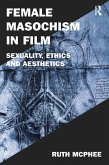
Gender-Based Violence in Latin American and Iberian Cinemas (eBook, PDF)42,95 €") Female Masochism in Film (eBook, PDF)41,95 €
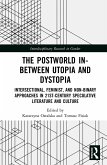
Female Masochism in Film (eBook, PDF)41,95 €") The Postworld In-Between Utopia and Dystopia (eBook, PDF)39,95 €
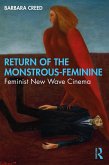
The Postworld In-Between Utopia and Dystopia (eBook, PDF)39,95 €") Return of the Monstrous-Feminine (eBook, PDF)38,95 €
Return of the Monstrous-Feminine (eBook, PDF)38,95 €
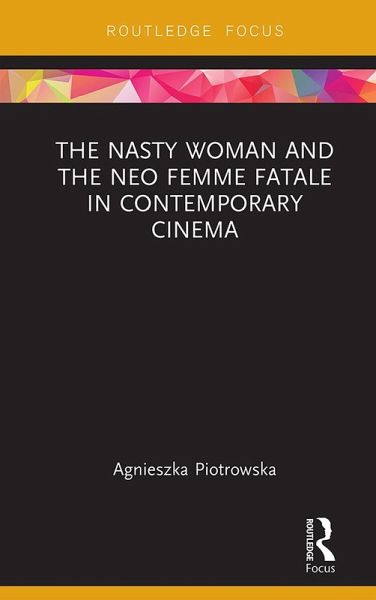
The Nasty Woman and the Neo Femme Fatale in Contemporary Cinema puts forward the theoretical notion of the 'nasty woman' as a means of examining female protagonists in contemporary culture and cinema, particularly films directed by women. The phrase is taken from an insult thrown at Hillary Clinton during the 2016 Presidential election debates and reclaimed by the feminists worldwide. The volume also draws from the figure of the femme fatale in film noir.
Piotrowska presents 'the nasty woman' across cultural and mythical landscape as a figure fighting against the entitlement of the patriarchy. The writer argues that in films such as Zero Dark Thirty, Red Road, Stories We Tell, and even Gone Girl the 'nastiness' of female characters creates a new space for reflection on contemporary society and its struggles against patriarchal systems. The nasty woman or neo femme fatale is a figure who disrupts stable situations and norms; she is pro-active and self-determining, and at times unafraid to use dubious means to achieve her goals. She is often single, but when married she subverts and undermines the fundamental principles of this patriarchal institution.
For students and researchers in Cultural Studies, Women's, Gender and Sexuality Studies, Film Studies and Psychoanalysis in Film Studies, The Nasty Woman and the Neo Femme Fatale in Contemporary Cinema offers an original way of thinking about female creativity and subjectivity. It is also a proud celebration of feminist and female authorship in contemporary Hollywood.
Piotrowska presents 'the nasty woman' across cultural and mythical landscape as a figure fighting against the entitlement of the patriarchy. The writer argues that in films such as Zero Dark Thirty, Red Road, Stories We Tell, and even Gone Girl the 'nastiness' of female characters creates a new space for reflection on contemporary society and its struggles against patriarchal systems. The nasty woman or neo femme fatale is a figure who disrupts stable situations and norms; she is pro-active and self-determining, and at times unafraid to use dubious means to achieve her goals. She is often single, but when married she subverts and undermines the fundamental principles of this patriarchal institution.
For students and researchers in Cultural Studies, Women's, Gender and Sexuality Studies, Film Studies and Psychoanalysis in Film Studies, The Nasty Woman and the Neo Femme Fatale in Contemporary Cinema offers an original way of thinking about female creativity and subjectivity. It is also a proud celebration of feminist and female authorship in contemporary Hollywood.
Dieser Download kann aus rechtlichen Gründen nur mit Rechnungsadresse in A, B, BG, CY, CZ, D, DK, EW, E, FIN, F, GR, HR, H, IRL, I, LT, L, LR, M, NL, PL, P, R, S, SLO, SK ausgeliefert werden.
'In a series of highly thought-provoking film analyses Agnieszka Piotrowska re-writes the femme fatale as a 'nasty woman' who is a danger not just to men but also to cinema's notion of woman. The figure of Antigone is central to her account of a feminine agency that does not give up on her desire but which is also not simply a matter of revenge. Instead Piotrowska shows how each film demonstrates the entanglement of drive and desire, of sex and violence in being a feminine subject. The Nasty Woman looks awry at the films it discusses, exposing their paradoxical subversion of both cinema's and feminism's binaries in writing that is highly engaging as both scholarly and personal.'
Elizabeth Cowie, Professor Emeritus, Film Studies University of Kent, UK
'This is a brave and compelling book. Filmmaker and interdisciplinary scholar, Agnieszka Piotrowska, introduces the notion of the "nasty woman" into film scholarship, brilliantly updating discussions of the femme fatale, and looking afresh at female subjectivity, power and erotic energy. In writing that is gritty, lively, and sometimes personal, partial and sensitive, Piotrowska engages with debates about #metoo, and feminist killjoys, as she also looks back to Antigone to think through ways of not giving up on one's desire.'
Emma Wilson, Professor of French Literature and the Visual Arts, University of Cambridge, UK
'In this volume, Piotrowska has named a new cinematic archetype. The "nasty woman", written by a woman, directed by a woman, harks back to Antigone and Medusa, and draws on the femme fatale, but is a thoroughly modern model for our times. Drawing on feminist theory and psychoanalysis, this timely intervention in film theory tackles women whom we don't have to like, but about whom we want to know more about.'
Lucy Bolton, Senior Lecturer in Film Studies, Queen Mary University of London, UK
'This book offers up a timely, incisive analysis of the representation of 'bad' women in contemporary cinema -- those whose moral choices and troubling, embodied actions mark an ethical shift in our current contemporary climate. Framed through a direct reference to Donald Trump's referral to his political rival, Hilary Clinton, as a 'nasty woman', Piotrowska carefully re-examines seminal films such as Arnold's Red Road and Polley's The Stories We Tell, drawing on a range of theoretical contexts from Lacanian theory to Laura Marks.'
Davina Quinlivan, Senior Lecturer in Performance and Screen Studies, Kingston University, UK
Elizabeth Cowie, Professor Emeritus, Film Studies University of Kent, UK
'This is a brave and compelling book. Filmmaker and interdisciplinary scholar, Agnieszka Piotrowska, introduces the notion of the "nasty woman" into film scholarship, brilliantly updating discussions of the femme fatale, and looking afresh at female subjectivity, power and erotic energy. In writing that is gritty, lively, and sometimes personal, partial and sensitive, Piotrowska engages with debates about #metoo, and feminist killjoys, as she also looks back to Antigone to think through ways of not giving up on one's desire.'
Emma Wilson, Professor of French Literature and the Visual Arts, University of Cambridge, UK
'In this volume, Piotrowska has named a new cinematic archetype. The "nasty woman", written by a woman, directed by a woman, harks back to Antigone and Medusa, and draws on the femme fatale, but is a thoroughly modern model for our times. Drawing on feminist theory and psychoanalysis, this timely intervention in film theory tackles women whom we don't have to like, but about whom we want to know more about.'
Lucy Bolton, Senior Lecturer in Film Studies, Queen Mary University of London, UK
'This book offers up a timely, incisive analysis of the representation of 'bad' women in contemporary cinema -- those whose moral choices and troubling, embodied actions mark an ethical shift in our current contemporary climate. Framed through a direct reference to Donald Trump's referral to his political rival, Hilary Clinton, as a 'nasty woman', Piotrowska carefully re-examines seminal films such as Arnold's Red Road and Polley's The Stories We Tell, drawing on a range of theoretical contexts from Lacanian theory to Laura Marks.'
Davina Quinlivan, Senior Lecturer in Performance and Screen Studies, Kingston University, UK