1,99 €
1,99 €
inkl. MwSt.
Sofort per Download lieferbar

0 °P sammeln
1,99 €
Als Download kaufen
1,99 €
inkl. MwSt.
Sofort per Download lieferbar
0 °P sammeln
Jetzt verschenken
Alle Infos zum eBook verschenken
1,99 €
inkl. MwSt.
Sofort per Download lieferbar
Alle Infos zum eBook verschenken
0 °P sammeln

Andere Kunden interessierten sich auch für
") The Future of the American Negro (eBook, ePUB)0,49 €
The Future of the American Negro (eBook, ePUB)0,49 €") The Womanist Reader (eBook, ePUB)45,95 €
The Womanist Reader (eBook, ePUB)45,95 €") The Negro in Literature and Art in the United States (eBook, ePUB)1,99 €
The Negro in Literature and Art in the United States (eBook, ePUB)1,99 €") Why is the Negro Lynched? (eBook, ePUB)1,99 €
Why is the Negro Lynched? (eBook, ePUB)1,99 €") 100 Amazing Facts About the Negro with Complete Proof (eBook, ePUB)5,99 €
100 Amazing Facts About the Negro with Complete Proof (eBook, ePUB)5,99 €") African Independence (eBook, ePUB)22,95 €
African Independence (eBook, ePUB)22,95 €") The Gift of Black Folk: The Negroes in the Making of America (eBook, ePUB)0,99 €
The Gift of Black Folk: The Negroes in the Making of America (eBook, ePUB)0,99 €







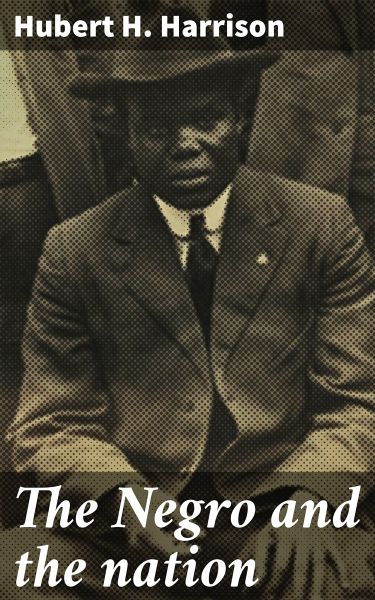
Hubert H. Harrison's "The Negro and the Nation" stands as a seminal work in African American literature and political thought, probing the intricate relationship between African Americans and the broader American identity. Written during the early 20th century, a time of intense racial strife and burgeoning civil rights movements, Harrison employs a compelling blend of rhetorical flair and critical analysis. Through an examination of societal structures and cultural contributions, he challenges prevailing racial narratives and articulates the need for systemic change, making a case for Afrocentric pride and political empowerment. His eloquent prose resonates with urgency, framing the African American experience as a vital and indispensable part of the American narrative. Harrison, often referred to as the "Father of Harlem Renaissance," was profoundly influenced by his experiences as an educator and activist during the post-Reconstruction era. His insights stem from a lifetime of engagement with social justice issues, drawing from both personal suffering and collective struggle of African Americans. This background informs his argument that the oppression of Black citizens is enmeshed in the fabric of American history, thus requiring a reevaluation of national identity and values. "The Negro and the Nation" is not merely a historical treatise but a stirring call to action that speaks to contemporary social justice struggles. Its articulate critique and visionary proposals make it an essential read for anyone seeking to understand the ongoing dialogue surrounding race and identity in America. Harrison's work remains relevant, resonating with readers today as they confront and dismantle the enduring legacies of racism. In this enriched edition, we have carefully created added value for your reading experience: - A succinct Introduction situates the work's timeless appeal and themes. - The Synopsis outlines the central plot, highlighting key developments without spoiling critical twists. - A detailed Historical Context immerses you in the era's events and influences that shaped the writing. - A thorough Analysis dissects symbols, motifs, and character arcs to unearth underlying meanings. - Reflection questions prompt you to engage personally with the work's messages, connecting them to modern life. - Hand-picked Memorable Quotes shine a spotlight on moments of literary brilliance. - Interactive footnotes clarify unusual references, historical allusions, and archaic phrases for an effortless, more informed read.
Dieser Download kann aus rechtlichen Gründen nur mit Rechnungsadresse in A, B, BG, CY, CZ, D, DK, EW, E, FIN, F, GR, H, IRL, I, LT, L, LR, M, NL, PL, P, R, S, SLO, SK ausgeliefert werden.