Sie sind bereits eingeloggt. Klicken Sie auf 2. tolino select Abo, um fortzufahren.
Bitte loggen Sie sich zunächst in Ihr Kundenkonto ein oder registrieren Sie sich bei bücher.de, um das eBook-Abo tolino select nutzen zu können.
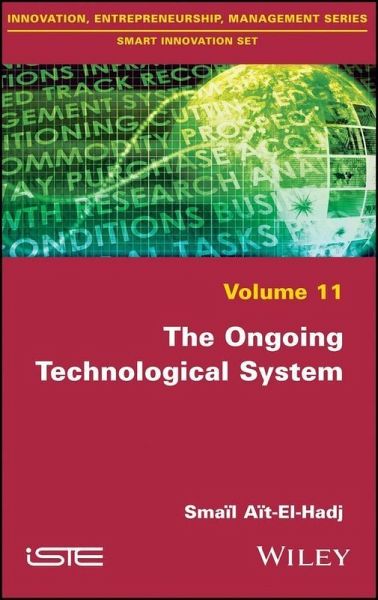
We start from the analysis of a powerful current of innovation of the last twenty years, these years 1995 to today, era of the "convergence" giving new products like mobile phone, networks and especially internet. This dynamic is also based on the mastery of genetics and new materials, while environmental constraints are beginning to profoundly change technological paradigms. We use the concepts of technological systems, born in the 1980s, with tools for analyzing the structure of the organization of technology, its dynamics of evolution, and the transitions between its phases. These…mehr
We start from the analysis of a powerful current of innovation of the last twenty years, these years 1995 to today, era of the "convergence" giving new products like mobile phone, networks and especially internet. This dynamic is also based on the mastery of genetics and new materials, while environmental constraints are beginning to profoundly change technological paradigms. We use the concepts of technological systems, born in the 1980s, with tools for analyzing the structure of the organization of technology, its dynamics of evolution, and the transitions between its phases. These instruments enable us to characterize the historical technological systems, to model the specific dynamics and the modalities of transition. This analysis will open up the question of the continuity of the contemporary technological system, of its capacity to regenerate itself under environmental constraint. The alternative may be a new technological revolution with the introduction of a new bundle of generic technologies to cope with the constraints and challenges of our current development.
Dieser Download kann aus rechtlichen Gründen nur mit Rechnungsadresse in D ausgeliefert werden.
Die Herstellerinformationen sind derzeit nicht verfügbar.
Autorenporträt
Smaïl Aït-El-Hadj is Professor of Industrial Engineering and Head of the Innovation Research Unit at the ITECH-University of Lyon, France. He is a member of the Board of Directors of the Innovation Research Network.
Inhaltsangabe
Introduction ix Chapter 1 How Can a Technological System be Understood and Analyzed? 1 1.1 Introduction 1 1.2 The construction of technology analysis models in systems 2 1.2.1 The ontological approach of the technological system, a vision of structure 2 1.2.2 Interdependence and technological coherence: the systemic principle of dynamics of technological systems 6 1.3 The representation of the movement: the technological lifecycle, the discontinuity of the technical movement 9 1.3.1 The technological lifecycle 9 1.3.2 The formalisms of the lifecycle: the S-curve 10 1.3.3 The conditional stability of the S-curve: interaction between the individual lifecycle and the global technology movement 11 1.4 Model for the internal restructuring of technology systems by means of the three components: technique-architecture-function 12 1.4.1 A formalization of the technical system components: the technique- architecture-function articulation 12 1.4.2 The dynamics of interaction by the function-architecture-principle relation 14 1.4.3 Technological systems, waves of innovation and technological revolutions 15 1.4.4 Dynamics of the technological system and social system 16 Chapter 2 The Historical Dynamics of Technological Systems: Putting the Contemporary Technological System into Historical Perspective 19 2.1 The great pre-industrial technological system 19 2.1.1. The industrial revolution of the 12th Century The medieval wave of a permanent innovation movement 20 2.1.2 The rebound in the "Renaissance" - is there a technological and innovative specificity of the Renaissance? 24 2.1.3 Stabilization and classical maturity 27 2.2 The English Industrial Revolution and the first industrial technological system 28 Chapter 3 The Contemporary Technological System Emerges from the Previous One or the Third Technological Revolution 31 3.1 The second industrial technological system 31 3.1.1 The new generic technologies at the origin of this second system 31 3.1.2 The formation of the second technological system 36 3.1.3 A technological system for one hundred years 39 3.2 The electromechanical technological system crisis 41 3.2.1 The saturation of generic technologies and its direct manifestations 42 3.2.2 Some of the indirect and global manifestations of the technological system crisis 48 3.2.3 The technological system and organization crisis 55 Chapter 4 Formation of the Third Technological System and First Wave of the New Technological System 63 4.1 Emergence of new generic technologies 64 4.1.1 From computing to information technologies 64 4.1.2 The hyper choice of materials 73 4.1.3 Biotechnologies 76 4.1.4 Energy: originality in diversity 81 4.2 The structuring of the new technological system 83 4.2.1 The formation of the technological network 84 4.3 Societal and epistemological transformation 88 4.3.1 A technical and economic transformation 88 4.3.2 A scientific and epistemological transformation 91 Chapter 5 The Second Wave of the Third Technological System 95 5.1 Maturation and bifurcation of generic technologies generating a second technological wave 96 5.1.1 Continuation of the development of information technology 96 5.1.2 The second age of materials 97 5.1.3 Development of photonics 98 5.1.4 The rise of biology 99 5.1.5 Deepening energy diversification 101 5.1.6 A new dimension of generic technologies: nanometric properties 104 5.2 Applications re-composition and development 105 5.2.1 A movement driven by technology convergence: the five re-composition forces of the technological system 105 5.2.2 New applications through convergence 108 5.3 The wave of new technical systems, new objects and new functionality 113 5.3.1 The system of networks and connections 114 5.3.2 Virtual reality 116 5.3.3 Smart objects 118 5.3.4 A new world of production 121 5.3.5 Bio- and nanotechnology systems 122 5.3.6 Versatile incremental innovation 123 5.4 Environmental pressure, a source of change in the trajectory of innovation 124 5.4.1 Capture, storage and re-use of CO2 128 Chapter 6 The Second Wave of the Technology System Transforms and Reorganizes Economy and Social Systems 131 6.1 New markets, new industries, new business models 132 6.1.1 New products, re-composition of products and functions, new markets 132 6.1.2 A sectorial re-composition of economies 134 6.1.3 New consumption patterns, new marketing methods 135 6.1.4 New business models 136 6.1.5 New form of competition, new concentration 136 6.2 Disruption of the production system 137 6.2.1 The evolution of productivity 137 6.2.2 Productivity and employment 138 6.2.3 A polarization of the distribution of income 139 6.2.4 A globalized technological system, a possible bifurcation 140 6.3 New modes of economy 141 6.3.1 Growth paradoxes 141 6.3.2 The issue of value, the GDP crisis, the renewal of the accountability of the economy 142 6.4 Interaction with social dynamics 143 6.4.1 Upheaval of the organization and in work relationships 143 6.4.2 Renewal and reorganization of R&D 144 6.4.3 The educational model crisis and new ways of training 146 6.4.4 Governance crisis and search for new rules 147 Conclusion 151 Bibliography 157 Index 169
Introduction ix Chapter 1 How Can a Technological System be Understood and Analyzed? 1 1.1 Introduction 1 1.2 The construction of technology analysis models in systems 2 1.2.1 The ontological approach of the technological system, a vision of structure 2 1.2.2 Interdependence and technological coherence: the systemic principle of dynamics of technological systems 6 1.3 The representation of the movement: the technological lifecycle, the discontinuity of the technical movement 9 1.3.1 The technological lifecycle 9 1.3.2 The formalisms of the lifecycle: the S-curve 10 1.3.3 The conditional stability of the S-curve: interaction between the individual lifecycle and the global technology movement 11 1.4 Model for the internal restructuring of technology systems by means of the three components: technique-architecture-function 12 1.4.1 A formalization of the technical system components: the technique- architecture-function articulation 12 1.4.2 The dynamics of interaction by the function-architecture-principle relation 14 1.4.3 Technological systems, waves of innovation and technological revolutions 15 1.4.4 Dynamics of the technological system and social system 16 Chapter 2 The Historical Dynamics of Technological Systems: Putting the Contemporary Technological System into Historical Perspective 19 2.1 The great pre-industrial technological system 19 2.1.1. The industrial revolution of the 12th Century The medieval wave of a permanent innovation movement 20 2.1.2 The rebound in the "Renaissance" - is there a technological and innovative specificity of the Renaissance? 24 2.1.3 Stabilization and classical maturity 27 2.2 The English Industrial Revolution and the first industrial technological system 28 Chapter 3 The Contemporary Technological System Emerges from the Previous One or the Third Technological Revolution 31 3.1 The second industrial technological system 31 3.1.1 The new generic technologies at the origin of this second system 31 3.1.2 The formation of the second technological system 36 3.1.3 A technological system for one hundred years 39 3.2 The electromechanical technological system crisis 41 3.2.1 The saturation of generic technologies and its direct manifestations 42 3.2.2 Some of the indirect and global manifestations of the technological system crisis 48 3.2.3 The technological system and organization crisis 55 Chapter 4 Formation of the Third Technological System and First Wave of the New Technological System 63 4.1 Emergence of new generic technologies 64 4.1.1 From computing to information technologies 64 4.1.2 The hyper choice of materials 73 4.1.3 Biotechnologies 76 4.1.4 Energy: originality in diversity 81 4.2 The structuring of the new technological system 83 4.2.1 The formation of the technological network 84 4.3 Societal and epistemological transformation 88 4.3.1 A technical and economic transformation 88 4.3.2 A scientific and epistemological transformation 91 Chapter 5 The Second Wave of the Third Technological System 95 5.1 Maturation and bifurcation of generic technologies generating a second technological wave 96 5.1.1 Continuation of the development of information technology 96 5.1.2 The second age of materials 97 5.1.3 Development of photonics 98 5.1.4 The rise of biology 99 5.1.5 Deepening energy diversification 101 5.1.6 A new dimension of generic technologies: nanometric properties 104 5.2 Applications re-composition and development 105 5.2.1 A movement driven by technology convergence: the five re-composition forces of the technological system 105 5.2.2 New applications through convergence 108 5.3 The wave of new technical systems, new objects and new functionality 113 5.3.1 The system of networks and connections 114 5.3.2 Virtual reality 116 5.3.3 Smart objects 118 5.3.4 A new world of production 121 5.3.5 Bio- and nanotechnology systems 122 5.3.6 Versatile incremental innovation 123 5.4 Environmental pressure, a source of change in the trajectory of innovation 124 5.4.1 Capture, storage and re-use of CO2 128 Chapter 6 The Second Wave of the Technology System Transforms and Reorganizes Economy and Social Systems 131 6.1 New markets, new industries, new business models 132 6.1.1 New products, re-composition of products and functions, new markets 132 6.1.2 A sectorial re-composition of economies 134 6.1.3 New consumption patterns, new marketing methods 135 6.1.4 New business models 136 6.1.5 New form of competition, new concentration 136 6.2 Disruption of the production system 137 6.2.1 The evolution of productivity 137 6.2.2 Productivity and employment 138 6.2.3 A polarization of the distribution of income 139 6.2.4 A globalized technological system, a possible bifurcation 140 6.3 New modes of economy 141 6.3.1 Growth paradoxes 141 6.3.2 The issue of value, the GDP crisis, the renewal of the accountability of the economy 142 6.4 Interaction with social dynamics 143 6.4.1 Upheaval of the organization and in work relationships 143 6.4.2 Renewal and reorganization of R&D 144 6.4.3 The educational model crisis and new ways of training 146 6.4.4 Governance crisis and search for new rules 147 Conclusion 151 Bibliography 157 Index 169
Es gelten unsere Allgemeinen Geschäftsbedingungen: www.buecher.de/agb
Impressum
www.buecher.de ist ein Internetauftritt der buecher.de internetstores GmbH
Geschäftsführung: Monica Sawhney | Roland Kölbl | Günter Hilger
Sitz der Gesellschaft: Batheyer Straße 115 - 117, 58099 Hagen
Postanschrift: Bürgermeister-Wegele-Str. 12, 86167 Augsburg
Amtsgericht Hagen HRB 13257
Steuernummer: 321/5800/1497
USt-IdNr: DE450055826