69,95 €
69,95 €
inkl. MwSt.
Sofort per Download lieferbar

35 °P sammeln
69,95 €
Als Download kaufen
69,95 €
inkl. MwSt.
Sofort per Download lieferbar
35 °P sammeln
Jetzt verschenken
Alle Infos zum eBook verschenken
69,95 €
inkl. MwSt.
Sofort per Download lieferbar
Alle Infos zum eBook verschenken
35 °P sammeln

Andere Kunden interessierten sich auch für
") The Personal and the Political in American Working-Class Literature, 1850-1939 (eBook, ePUB)69,95 €
The Personal and the Political in American Working-Class Literature, 1850-1939 (eBook, ePUB)69,95 €") The Working-Class Intellectual in Eighteenth- and Nineteenth-Century Britain (eBook, PDF)52,95 €
The Working-Class Intellectual in Eighteenth- and Nineteenth-Century Britain (eBook, PDF)52,95 €") Working Women in American Literature, 1865-1950 (eBook, PDF)30,95 €
Working Women in American Literature, 1865-1950 (eBook, PDF)30,95 €") Women Writing the American Artist in Novels of Development from 1850-1932 (eBook, PDF)69,95 €
Women Writing the American Artist in Novels of Development from 1850-1932 (eBook, PDF)69,95 €") Critical Approaches to American Working-Class Literature (eBook, PDF)31,95 €
Critical Approaches to American Working-Class Literature (eBook, PDF)31,95 €") The Working Class and Twenty-First-Century British Fiction (eBook, PDF)42,95 €
The Working Class and Twenty-First-Century British Fiction (eBook, PDF)42,95 €") Working-class Stories of the 1890s (eBook, PDF)16,95 €
Working-class Stories of the 1890s (eBook, PDF)16,95 €




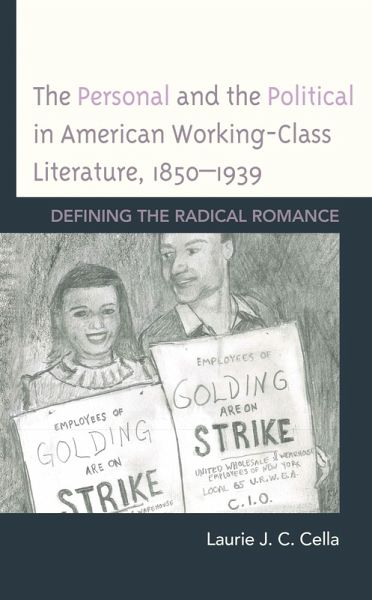
As working women invaded the public space of the factory in the nineteenth century, they challenged Victorian notions of female domesticity and chastity. With virtue at the forefront of discussions regarding working women, aspects of working-class women's culture-fashion, fiction, and dance halls-become vivid signifiers for moral impropriety, and attempts to censure these activities become overt attempts to censure female sexuality in the workplace. The Personal and the Political in American Working-Class Literature, 1850-1939 argues that these informal and often ignored "trifles" of female community provided the building blocks for female solidarity in the workplace. While most critical approaches to working-class fiction emphasize female suffering rather than agency, this book argues that working women themselves viewed aspects of consumer culture and new avenues for courtship as extensions of their rights as breadwinners. The strike itself is an intense moment of political upheaval that lends itself to more extensive personal and sexual freedoms. Through its analysis of strike novels, this book provides a fuller picture of working-class women as they simultaneously navigate new identities as "working ladies" and enter the dramatic and sometimes violent world of labor activism. This book is recommended for scholars of literary studies, women's studies, and US history.