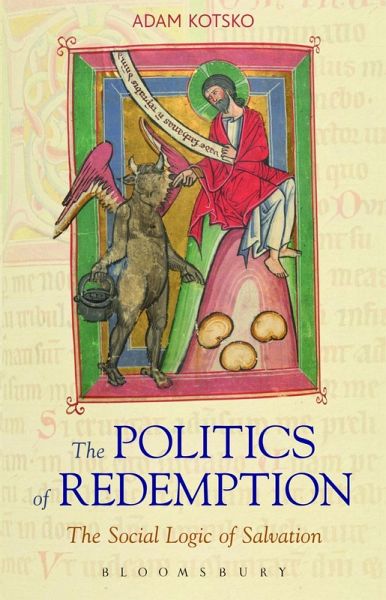
29,95 €
29,95 €
inkl. MwSt.
Sofort per Download lieferbar

15 °P sammeln
29,95 €
Als Download kaufen
29,95 €
inkl. MwSt.
Sofort per Download lieferbar
15 °P sammeln
Jetzt verschenken
Alle Infos zum eBook verschenken
29,95 €
inkl. MwSt.
Sofort per Download lieferbar
Alle Infos zum eBook verschenken
15 °P sammeln

- Format: PDF
- Merkliste
- Auf die Merkliste
- Bewerten Bewerten
- Teilen
- Produkt teilen
- Produkterinnerung
- Produkterinnerung

Bitte loggen Sie sich zunächst in Ihr Kundenkonto ein oder registrieren Sie sich bei
bücher.de, um das eBook-Abo tolino select nutzen zu können.
Hier können Sie sich einloggen
Sie sind bereits eingeloggt. Klicken Sie auf 2. tolino select Abo, um fortzufahren.

Bitte loggen Sie sich zunächst in Ihr Kundenkonto ein oder registrieren Sie sich bei bücher.de, um das eBook-Abo tolino select nutzen zu können.
- Geräte: PC
- mit Kopierschutz
- eBook Hilfe
- Größe: 5.03MB
Andere Kunden interessierten sich auch für
Adam J. JohnsonGod's Being in Reconciliation (eBook, PDF)31,95 €
Anna MercedesPower For: Feminism and Christ's Self-Giving (eBook, PDF)24,95 €
Baptism, the New Testament and the Church (eBook, PDF)157,95 €
Elizabeth A. JohnsonAsk the Beasts: Darwin and the God of Love (eBook, PDF)13,95 €
Richard SnoddyThe Soteriology of James Ussher (eBook, PDF)29,95 €
Derek R. NelsonSin: A Guide for the Perplexed (eBook, PDF)21,95 €
Harry HahneThe Corruption and Redemption of Creation (eBook, PDF)149,95 €-
-
-
Produktdetails
- Verlag: Bloomsbury eBooks UK
- Seitenzahl: 224
- Erscheinungstermin: 30. Oktober 2010
- Englisch
- ISBN-13: 9780567204325
- Artikelnr.: 38228843
- Herstellerkennzeichnung Die Herstellerinformationen sind derzeit nicht verfügbar.
Adam Kotsko is Visiting Assistant Professorof Religions at Kalamazoo College (USA). His current research interests include 20th century European philosophy and early Christian thought.
Acknowledgments
>
Chapter 1: Thinking relationally
>
'Religionless Christianity' and community
>Ontology and 'being-with'
>A social-relational reading of atonement theory
>
Chapter 2: Questioning atonement
>
Feminist and womanist perspectives
>Theology and social theory
>A case study: The question of redemptive suffering
>
Chapter 3: Reclaiming the tradition
>
Violent hospitality: Boersma
>Narrative, not ontology: Weaver
>Divine unilateralism: Aulen
>
Chapter 4: Irenaeus
>
Redemption as recapitulation
>One human race
>The principle of persuasion
>The togetherness of God and creation
>
5: Gregory of Nyssa
>
Birth and resurrection
>Sensible and intelligible
>Dealing with the devil
>
Chapter 6: Anselm
>
Variations on a theme
>Displacing the devil
>Original sin and its avoidance
>Making the payment
>'Out of love of the debtor?'
>
Chapter 7: Abelard
>
What is Abelard's atonement theory?
>Implications: Publicity and han
Predestination and free will
>
Chapter 8: Community and related questions
>
An outstanding question
>Predestination and community: Karl Barth
>Representation and community: Dorothee Soelle
>Religionless vs. demythologizing interpretation
>
Chapter 9: Politics of redemption
>
The ontology
>The problem: Possession and rule
>The solution: A persuasive fearlessness
>
Bibliography
>
Chapter 1: Thinking relationally
>
'Religionless Christianity' and community
>Ontology and 'being-with'
>A social-relational reading of atonement theory
>
Chapter 2: Questioning atonement
>
Feminist and womanist perspectives
>Theology and social theory
>A case study: The question of redemptive suffering
>
Chapter 3: Reclaiming the tradition
>
Violent hospitality: Boersma
>Narrative, not ontology: Weaver
>Divine unilateralism: Aulen
>
Chapter 4: Irenaeus
>
Redemption as recapitulation
>One human race
>The principle of persuasion
>The togetherness of God and creation
>
5: Gregory of Nyssa
>
Birth and resurrection
>Sensible and intelligible
>Dealing with the devil
>
Chapter 6: Anselm
>
Variations on a theme
>Displacing the devil
>Original sin and its avoidance
>Making the payment
>'Out of love of the debtor?'
>
Chapter 7: Abelard
>
What is Abelard's atonement theory?
>Implications: Publicity and han
Predestination and free will
>
Chapter 8: Community and related questions
>
An outstanding question
>Predestination and community: Karl Barth
>Representation and community: Dorothee Soelle
>Religionless vs. demythologizing interpretation
>
Chapter 9: Politics of redemption
>
The ontology
>The problem: Possession and rule
>The solution: A persuasive fearlessness
>
Bibliography
Acknowledgments
>
Chapter 1: Thinking relationally
>
'Religionless Christianity' and community
>Ontology and 'being-with'
>A social-relational reading of atonement theory
>
Chapter 2: Questioning atonement
>
Feminist and womanist perspectives
>Theology and social theory
>A case study: The question of redemptive suffering
>
Chapter 3: Reclaiming the tradition
>
Violent hospitality: Boersma
>Narrative, not ontology: Weaver
>Divine unilateralism: Aulen
>
Chapter 4: Irenaeus
>
Redemption as recapitulation
>One human race
>The principle of persuasion
>The togetherness of God and creation
>
5: Gregory of Nyssa
>
Birth and resurrection
>Sensible and intelligible
>Dealing with the devil
>
Chapter 6: Anselm
>
Variations on a theme
>Displacing the devil
>Original sin and its avoidance
>Making the payment
>'Out of love of the debtor?'
>
Chapter 7: Abelard
>
What is Abelard's atonement theory?
>Implications: Publicity and han
Predestination and free will
>
Chapter 8: Community and related questions
>
An outstanding question
>Predestination and community: Karl Barth
>Representation and community: Dorothee Soelle
>Religionless vs. demythologizing interpretation
>
Chapter 9: Politics of redemption
>
The ontology
>The problem: Possession and rule
>The solution: A persuasive fearlessness
>
Bibliography
>
Chapter 1: Thinking relationally
>
'Religionless Christianity' and community
>Ontology and 'being-with'
>A social-relational reading of atonement theory
>
Chapter 2: Questioning atonement
>
Feminist and womanist perspectives
>Theology and social theory
>A case study: The question of redemptive suffering
>
Chapter 3: Reclaiming the tradition
>
Violent hospitality: Boersma
>Narrative, not ontology: Weaver
>Divine unilateralism: Aulen
>
Chapter 4: Irenaeus
>
Redemption as recapitulation
>One human race
>The principle of persuasion
>The togetherness of God and creation
>
5: Gregory of Nyssa
>
Birth and resurrection
>Sensible and intelligible
>Dealing with the devil
>
Chapter 6: Anselm
>
Variations on a theme
>Displacing the devil
>Original sin and its avoidance
>Making the payment
>'Out of love of the debtor?'
>
Chapter 7: Abelard
>
What is Abelard's atonement theory?
>Implications: Publicity and han
Predestination and free will
>
Chapter 8: Community and related questions
>
An outstanding question
>Predestination and community: Karl Barth
>Representation and community: Dorothee Soelle
>Religionless vs. demythologizing interpretation
>
Chapter 9: Politics of redemption
>
The ontology
>The problem: Possession and rule
>The solution: A persuasive fearlessness
>
Bibliography