1,99 €
inkl. MwSt.
Sofort per Download lieferbar
0 °P sammeln

Andere Kunden interessierten sich auch für
") The Priest, the Woman and the Confessional (eBook, ePUB)1,99 €
The Priest, the Woman and the Confessional (eBook, ePUB)1,99 €") The Priest, the Woman and the Confessional (eBook, ePUB)1,99 €
The Priest, the Woman and the Confessional (eBook, ePUB)1,99 €") Trauma-Informed Pastoral Care (eBook, ePUB)13,95 €
Trauma-Informed Pastoral Care (eBook, ePUB)13,95 €") Ways of the Word (eBook, ePUB)22,95 €
Ways of the Word (eBook, ePUB)22,95 €") Along the Way (eBook, ePUB)19,25 €
Along the Way (eBook, ePUB)19,25 €") Smoke of Satan (eBook, ePUB)10,95 €
Smoke of Satan (eBook, ePUB)10,95 €") Auricular Confession and Popish Nunneries (eBook, ePUB)0,49 €
Auricular Confession and Popish Nunneries (eBook, ePUB)0,49 €
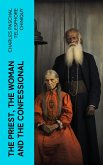


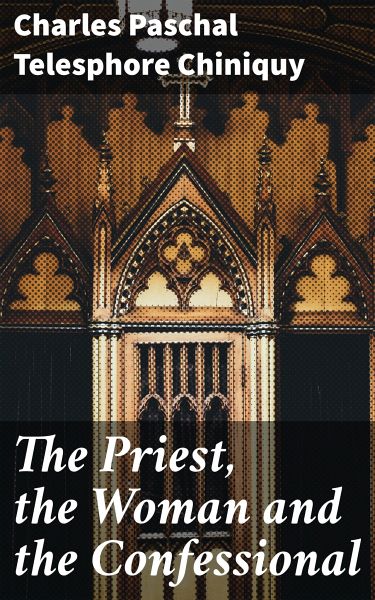
In "The Priest, the Woman and the Confessional," Charles Paschal Telesphore Chiniquy employs a candid and provocative narrative style, weaving together personal anecdotes, theological critique, and sociocultural analysis. This groundbreaking work, published in the mid-19th century, delves into the complexities of the confessional practice within the Catholic Church, particularly focusing on its impact on women. Chiniquy's fearless exploration combines elements of autobiography and didacticism, reflecting the broader context of anti-Catholic sentiment prevalent in the Protestant Reformation as well as the emerging feminist discourse of the time. Chiniquy, a former Roman Catholic priest turned Protestant reformer, draws from his tumultuous experiences within the Church to illuminate the moral and ethical dilemmas surrounding confession. Having experienced firsthand the oppressive dynamics between clergy and laity, particularly concerning women, his insights are grounded in both theological training and a deep-seated desire for reform. This personal history lends significant weight to his critiques, making his arguments not only passionate but also credible. Readers interested in religious studies, gender issues, or the historical context of Catholicism will find "The Priest, the Woman and the Confessional" a compelling and enlightening read. Chiniquy's work is a courageous call for transparency and accountability, challenging the reader to confront the complexities of faith, power, and gender in the religious sphere. This book is essential for anyone seeking a deeper understanding of the interplay between religion and society during a transformative period in history. In this enriched edition, we have carefully created added value for your reading experience: - A succinct Introduction situates the work's timeless appeal and themes. - The Synopsis outlines the central plot, highlighting key developments without spoiling critical twists. - A detailed Historical Context immerses you in the era's events and influences that shaped the writing. - A thorough Analysis dissects symbols, motifs, and character arcs to unearth underlying meanings. - Reflection questions prompt you to engage personally with the work's messages, connecting them to modern life. - Hand-picked Memorable Quotes shine a spotlight on moments of literary brilliance. - Interactive footnotes clarify unusual references, historical allusions, and archaic phrases for an effortless, more informed read.
Dieser Download kann aus rechtlichen Gründen nur mit Rechnungsadresse in A, B, BG, CY, CZ, D, DK, EW, E, FIN, F, GR, H, IRL, I, LT, L, LR, M, NL, PL, P, R, S, SLO, SK ausgeliefert werden.