21,95 €
inkl. MwSt.
Sofort per Download lieferbar
11 °P sammeln

Andere Kunden interessierten sich auch für
") Terror in the Heart of Freedom (eBook, ePUB)22,95 €
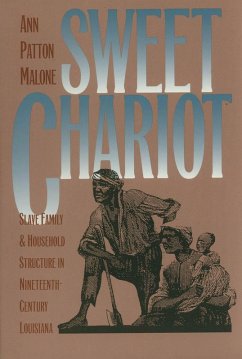
Terror in the Heart of Freedom (eBook, ePUB)22,95 €") Sweet Chariot (eBook, ePUB)22,95 €
Sweet Chariot (eBook, ePUB)22,95 €") Freedom Farmers (eBook, ePUB)11,95 €
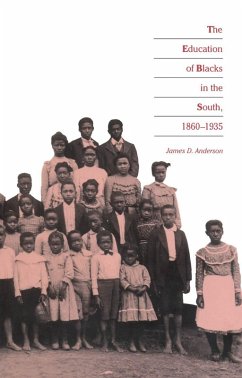
Freedom Farmers (eBook, ePUB)11,95 €") The Education of Blacks in the South, 1860-1935 (eBook, ePUB)22,95 €
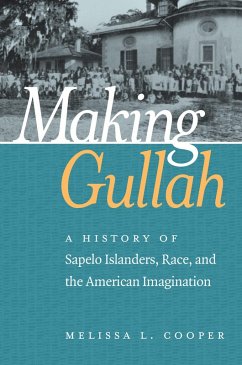
The Education of Blacks in the South, 1860-1935 (eBook, ePUB)22,95 €") Making Gullah (eBook, ePUB)15,95 €
Making Gullah (eBook, ePUB)15,95 €") Making Black Los Angeles (eBook, ePUB)15,95 €
Making Black Los Angeles (eBook, ePUB)15,95 €") Democracy Betrayed (eBook, ePUB)22,95 €
Democracy Betrayed (eBook, ePUB)22,95 €



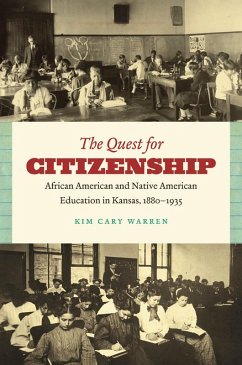
In The Quest for Citizenship, Kim Cary Warren examines the formation of African American and Native American citizenship, belonging, and identity in the United States by comparing educational experiences in Kansas between 1880 and 1935. Warren focuses her study on Kansas, thought by many to be the quintessential free state, not only because it was home to sizable populations of Indian groups and former slaves, but also because of its unique history of conflict over freedom during the antebellum period.
After the Civil War, white reformers opened segregated schools, ultimately reinforcing the very racial hierarchies that they claimed to challenge. To resist the effects of these reformers' actions, African Americans developed strategies that emphasized inclusion and integration, while autonomy and bicultural identities provided the focal point for Native Americans' understanding of what it meant to be an American. Warren argues that these approaches to defining American citizenship served as ideological precursors to the Indian rights and civil rights movements.
This comparative history of two nonwhite races provides a revealing analysis of the intersection of education, social control, and resistance, and the formation and meaning of identity for minority groups in America.
After the Civil War, white reformers opened segregated schools, ultimately reinforcing the very racial hierarchies that they claimed to challenge. To resist the effects of these reformers' actions, African Americans developed strategies that emphasized inclusion and integration, while autonomy and bicultural identities provided the focal point for Native Americans' understanding of what it meant to be an American. Warren argues that these approaches to defining American citizenship served as ideological precursors to the Indian rights and civil rights movements.
This comparative history of two nonwhite races provides a revealing analysis of the intersection of education, social control, and resistance, and the formation and meaning of identity for minority groups in America.
Dieser Download kann aus rechtlichen Gründen nur mit Rechnungsadresse in A, D ausgeliefert werden.