29,95 €
29,95 €
inkl. MwSt.
Sofort per Download lieferbar

15 °P sammeln
29,95 €
Als Download kaufen
29,95 €
inkl. MwSt.
Sofort per Download lieferbar
15 °P sammeln
Jetzt verschenken
Alle Infos zum eBook verschenken
29,95 €
inkl. MwSt.
Sofort per Download lieferbar
Alle Infos zum eBook verschenken
15 °P sammeln

Andere Kunden interessierten sich auch für
") Representing the Past in the Art of the Long Nineteenth Century (eBook, ePUB)39,95 €
Representing the Past in the Art of the Long Nineteenth Century (eBook, ePUB)39,95 €") Crafting the Woman Professional in the Long Nineteenth Century (eBook, ePUB)55,95 €
Crafting the Woman Professional in the Long Nineteenth Century (eBook, ePUB)55,95 €") Liminalities of Gender and Sexuality in Nineteenth-Century Iranian Photography (eBook, ePUB)39,95 €
Liminalities of Gender and Sexuality in Nineteenth-Century Iranian Photography (eBook, ePUB)39,95 €") The Curtain (eBook, ePUB)8,99 €
The Curtain (eBook, ePUB)8,99 €") The Long Hard Road Out of Hell (eBook, ePUB)10,99 €
The Long Hard Road Out of Hell (eBook, ePUB)10,99 €") Nineteenth-century women illustrators and cartoonists (eBook, ePUB)86,95 €
Nineteenth-century women illustrators and cartoonists (eBook, ePUB)86,95 €") Narrative painting in nineteenth-century Europe (eBook, ePUB)81,95 €
Narrative painting in nineteenth-century Europe (eBook, ePUB)81,95 €


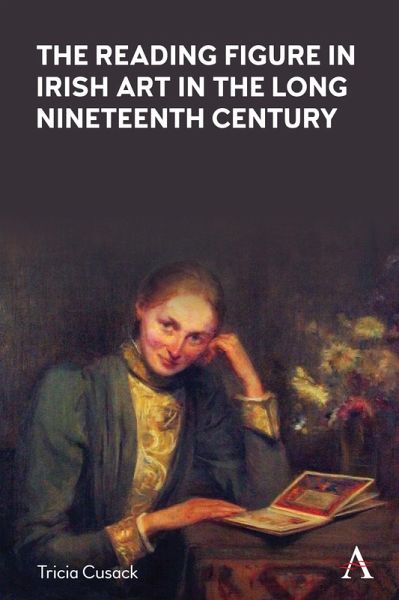
The reading figure has been a recurrent theme in Western art but especially from the nineteenth century. This book examines Irish portraits during the long nineteenth century in which people are shown reading or holding a book. It explores the different assumptions and values that were ascribed to reading and contemporary constructions of the reader. The selected pictures are by artists born, trained, or practising in Ireland. 'Irish art' is, therefore, used broadly to include work framed in some way by experience of Ireland and its history, culture, and politics. This was a time of large social and cultural shifts for Ireland, including the Great Famine and its aftermath, the growth of Irish nationalism, and the slow erosion of Anglo-Irish landlord power. It was a period of growing mass literacy, and also a time when books and other reading, including Irish novels, were often published in London. Many of the artists and sitters discussed were Anglo-Irish Protestants, a number of whom had Irish nationalist sympathies.
Reading, especially the reading of fiction, was not valued as a manly occupation. Both imperial and nationalist ideologues fostered dominant notions of manliness that depended on the assumption of an aggressive masculine nature checked by self-management. Portraits of male subjects with a book usually follow the tradition of accessories functioning as professional or status symbols. Nonetheless, some men are depicted reading and failing to embody a manly attitude.
A prevalent patriarchal ideology framed women as inferior to men in both physical and intellectual power. Yet this book argues that nineteenth- and early twentieth-century Dublin was a space of special creativity for women, at least among those from the privileged classes. The introduction of 'silent reading', alongside the spread of the novel, allowed such women to engage privately with a new range of imaginative and intellectual reading materials, while silent reading also offered seclusion from patriarchal surveillance. Visual images of women as serious readers contradicted common constructions of women as consumers of lightweight romances, or as an object for the male gaze. It is contended that such images drew on and contributed to the emergence of the 'New Woman' in Ireland.
Reading, especially the reading of fiction, was not valued as a manly occupation. Both imperial and nationalist ideologues fostered dominant notions of manliness that depended on the assumption of an aggressive masculine nature checked by self-management. Portraits of male subjects with a book usually follow the tradition of accessories functioning as professional or status symbols. Nonetheless, some men are depicted reading and failing to embody a manly attitude.
A prevalent patriarchal ideology framed women as inferior to men in both physical and intellectual power. Yet this book argues that nineteenth- and early twentieth-century Dublin was a space of special creativity for women, at least among those from the privileged classes. The introduction of 'silent reading', alongside the spread of the novel, allowed such women to engage privately with a new range of imaginative and intellectual reading materials, while silent reading also offered seclusion from patriarchal surveillance. Visual images of women as serious readers contradicted common constructions of women as consumers of lightweight romances, or as an object for the male gaze. It is contended that such images drew on and contributed to the emergence of the 'New Woman' in Ireland.
Dieser Download kann aus rechtlichen Gründen nur mit Rechnungsadresse in A, D ausgeliefert werden.