0,49 €
inkl. MwSt.
Sofort per Download lieferbar
0 °P sammeln

Andere Kunden interessierten sich auch für
") The Prodigal Pro Tem (eBook, ePUB)1,99 €
The Prodigal Pro Tem (eBook, ePUB)1,99 €") Molly Bawn (eBook, ePUB)1,99 €
Molly Bawn (eBook, ePUB)1,99 €") The Monster (eBook, ePUB)0,49 €
The Monster (eBook, ePUB)0,49 €") The Prodigal Son (eBook, ePUB)1,99 €
The Prodigal Son (eBook, ePUB)1,99 €") The Challoners (eBook, ePUB)2,49 €
The Challoners (eBook, ePUB)2,49 €") The Prodigal Father (eBook, ePUB)0,49 €
The Prodigal Father (eBook, ePUB)0,49 €") The Devourers (eBook, ePUB)0,49 €
The Devourers (eBook, ePUB)0,49 €




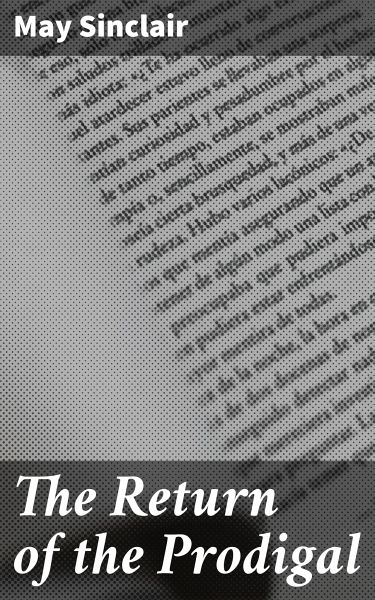
In "The Return of the Prodigal," May Sinclair masterfully explores the tumultuous journey of self-discovery and familial reconciliation through the lens of intricately drawn characters and rich psychological depth. Set against the backdrop of early 20th-century England, Sinclair's narrative deftly oscillates between poignant introspection and vivid relational dynamics, illuminating the complexities of human emotion and the struggle for personal redemption. The novel intertwines modernist elements'Äîstream of consciousness and nonlinear timelines'Äîwith traditional storytelling, reflecting both the cultural shifts of her time and her keen observations of the human psyche. May Sinclair, born in 1863, was a pioneering figure in the realm of feminist literature and a key voice in the modernist movement. Drawing from her own experiences of familial conflict and societal constraints, Sinclair's narrative often addresses themes of identity, belonging, and the quest for individuation. Her profound interest in psychology and philosophy is evident throughout the novel, revealing the author's personal motivations and intellectual influences that shaped her approach to storytelling. "The Return of the Prodigal" is a compelling read for those interested in the intersections of modernism, psychology, and social critique. Sinclair'Äôs insightful examination of the human condition will resonate with readers who appreciate layered narratives rich in emotional depth. This novel stands as a testament to the enduring power of literature to navigate the complexities of life, making it a valuable addition to any scholarly collection.
Dieser Download kann aus rechtlichen Gründen nur mit Rechnungsadresse in A, B, BG, CY, CZ, D, DK, EW, FIN, F, GR, H, IRL, I, LT, L, LR, M, NL, PL, P, R, S, SLO, SK ausgeliefert werden.