0,49 €
0,49 €
inkl. MwSt.
Sofort per Download lieferbar

0 °P sammeln
0,49 €
Als Download kaufen
0,49 €
inkl. MwSt.
Sofort per Download lieferbar
0 °P sammeln
Jetzt verschenken
Alle Infos zum eBook verschenken
0,49 €
inkl. MwSt.
Sofort per Download lieferbar
Alle Infos zum eBook verschenken
0 °P sammeln

Andere Kunden interessierten sich auch für
") The Abolitionists (eBook, ePUB)1,99 €
The Abolitionists (eBook, ePUB)1,99 €") The 1619 Project (eBook, ePUB)11,99 €
The 1619 Project (eBook, ePUB)11,99 €") Ain't I A Woman? (eBook, ePUB)6,99 €
Ain't I A Woman? (eBook, ePUB)6,99 €") American Slave Trade (eBook, ePUB)1,99 €
American Slave Trade (eBook, ePUB)1,99 €") The Captive Sea (eBook, ePUB)22,95 €
The Captive Sea (eBook, ePUB)22,95 €") Capitalism and Slavery (eBook, ePUB)9,49 €
Capitalism and Slavery (eBook, ePUB)9,49 €") Theodore Gericault, Painting Black Bodies (eBook, ePUB)42,95 €
Theodore Gericault, Painting Black Bodies (eBook, ePUB)42,95 €





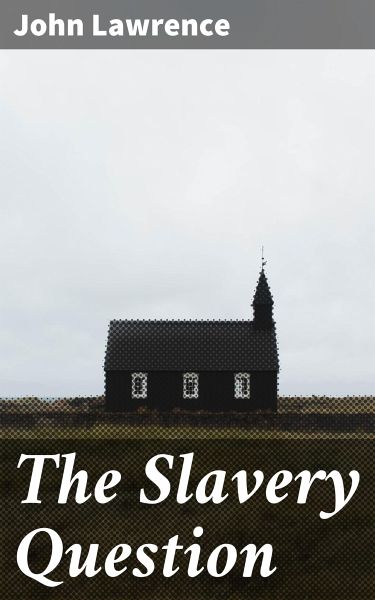
In "The Slavery Question," John Lawrence explores the intricate social, political, and economic dimensions of slavery in the 19th century. Through a rich tapestry of historical narrative and analytical discourse, Lawrence challenges prevailing notions while offering a nuanced exploration of the moral, ethical, and human implications of slavery. His literary style, characterized by meticulous research and compelling storytelling, situates the work within the broader context of abolitionist literature, inviting readers to engage critically with the evolving dialogues surrounding human rights. John Lawrence, a prominent social historian and advocate for humanitarian causes, draws upon his extensive background in political philosophy and ethics to craft this incisive work. His experiences studying the intersections of social justice and historical injustices informed his perspective as he sought to illuminate the complexities of the slavery debate. This background lends depth to his arguments, appealing to both scholars and general readers alike as he meticulously unravels the historical narratives that have shaped contemporary understandings of slavery. "The Slavery Question" is essential reading for anyone seeking a profound understanding of slavery's lasting impact on society. Lawrence's compelling prose and insightful analysis make this book a vital resource for historians, students, and activists alike, encouraging readers to reflect on the past and its implications for today's ongoing struggles for equality and justice. In this enriched edition, we have carefully created added value for your reading experience: - Hand-picked Memorable Quotes shine a spotlight on moments of literary brilliance. - Interactive footnotes clarify unusual references, historical allusions, and archaic phrases for an effortless, more informed read.
Dieser Download kann aus rechtlichen Gründen nur mit Rechnungsadresse in A, B, BG, CY, CZ, D, DK, EW, E, FIN, F, GR, H, IRL, I, LT, L, LR, M, NL, PL, P, R, S, SLO, SK ausgeliefert werden.