75,95 €
75,95 €
inkl. MwSt.
Erscheint vor. 08.01.26

38 °P sammeln
75,95 €
Als Download kaufen
75,95 €
inkl. MwSt.
Erscheint vor. 08.01.26
38 °P sammeln
Jetzt verschenken
Alle Infos zum eBook verschenken
75,95 €
inkl. MwSt.
Erscheint vor. 08.01.26
Alle Infos zum eBook verschenken
38 °P sammeln

Andere Kunden interessierten sich auch für
") Stretching the Limits of Productive Imagination (eBook, ePUB)31,95 €
Stretching the Limits of Productive Imagination (eBook, ePUB)31,95 €") The Promise of Phenomenology (eBook, ePUB)35,95 €
The Promise of Phenomenology (eBook, ePUB)35,95 €") Exoskeletal Devices and the Body (eBook, ePUB)39,95 €
Exoskeletal Devices and the Body (eBook, ePUB)39,95 €") It's Not About the Gift (eBook, ePUB)23,95 €
It's Not About the Gift (eBook, ePUB)23,95 €") Why Do We Go to the Zoo? (eBook, ePUB)36,95 €
Why Do We Go to the Zoo? (eBook, ePUB)36,95 €") Foundations of the Everyday (eBook, ePUB)39,95 €
Foundations of the Everyday (eBook, ePUB)39,95 €") The Risk of Freedom (eBook, ePUB)37,95 €
The Risk of Freedom (eBook, ePUB)37,95 €







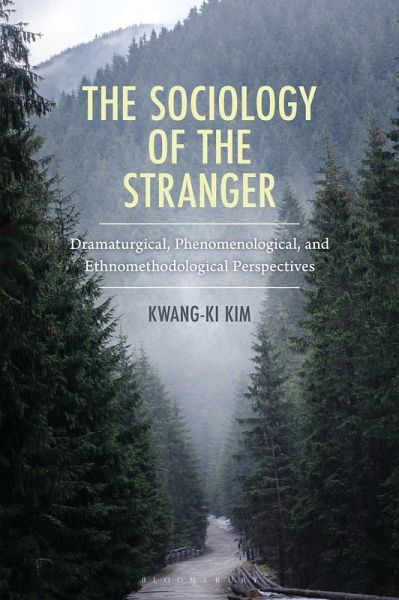
The Sociology of the Stranger examines estrangement as a pervasive human experience, arguing that the figure of the stranger has been insufficiently theorized as a central social type.
By drawing on phenomenology, ethnomethodology, dramaturgical analysis, Kwang-ki Kim reinterprets the stranger as a key to understanding contemporary dynamics such as globalization, dislocation, and social adaptation. Rather than being marginal, the stranger is shown to be constitutive of both social life and sociological inquiry, offering a model for authenticity, reconciliation, and homecoming. Highlighting how sociologists themselves often occupy the stranger's position, this book is essential reading across the humanities and social sciences, revealing how the figure of the stranger illuminates dynamics of dislocation, adaptation, and the search for home in an age of transformation.
By drawing on phenomenology, ethnomethodology, dramaturgical analysis, Kwang-ki Kim reinterprets the stranger as a key to understanding contemporary dynamics such as globalization, dislocation, and social adaptation. Rather than being marginal, the stranger is shown to be constitutive of both social life and sociological inquiry, offering a model for authenticity, reconciliation, and homecoming. Highlighting how sociologists themselves often occupy the stranger's position, this book is essential reading across the humanities and social sciences, revealing how the figure of the stranger illuminates dynamics of dislocation, adaptation, and the search for home in an age of transformation.