Jeanne Tiehen
The Theatre of Nuclear Science (eBook, PDF)
Weapons, Power, and the Scientists Behind it All
39,95 €
39,95 €
inkl. MwSt.
Sofort per Download lieferbar

20 °P sammeln
39,95 €
Als Download kaufen
39,95 €
inkl. MwSt.
Sofort per Download lieferbar
20 °P sammeln
Jetzt verschenken
Alle Infos zum eBook verschenken
39,95 €
inkl. MwSt.
Sofort per Download lieferbar
Alle Infos zum eBook verschenken
20 °P sammeln

Jeanne Tiehen
The Theatre of Nuclear Science (eBook, PDF)
Weapons, Power, and the Scientists Behind it All
- Format: PDF
- Merkliste
- Auf die Merkliste
- Bewerten Bewerten
- Teilen
- Produkt teilen
- Produkterinnerung
- Produkterinnerung

Bitte loggen Sie sich zunächst in Ihr Kundenkonto ein oder registrieren Sie sich bei
bücher.de, um das eBook-Abo tolino select nutzen zu können.
Hier können Sie sich einloggen
Sie sind bereits eingeloggt. Klicken Sie auf 2. tolino select Abo, um fortzufahren.

Bitte loggen Sie sich zunächst in Ihr Kundenkonto ein oder registrieren Sie sich bei bücher.de, um das eBook-Abo tolino select nutzen zu können.
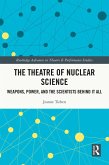
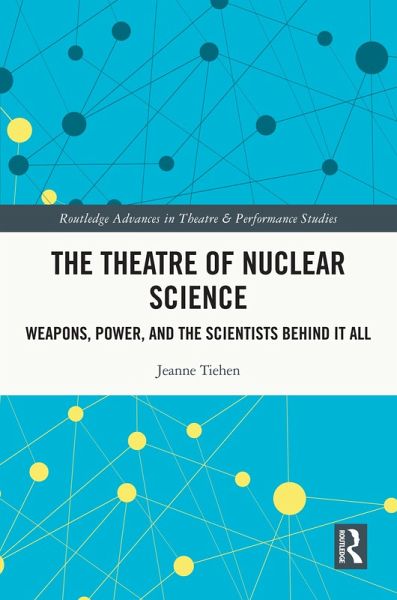
The Theatre of Nuclear Science theoretically explores theatrical representations of nuclear science to reconsider a science that can have consequences beyond imagination.
Focusing on a series of nuclear science plays that span the twentieth and twenty-first centuries, and including performances of nuclear science in museums, film, and media, Jeanne Tiehen argues why theatre and its unique qualities can offer important perspectives on this imperative topic.
This book will be of great interest to students and scholars of theatre, politics, and literature.
- Geräte: PC
- mit Kopierschutz
- eBook Hilfe
Andere Kunden interessierten sich auch für
Jeanne TiehenThe Theatre of Nuclear Science (eBook, ePUB)39,95 €
Jenni G. HalpinContemporary Physics Plays (eBook, PDF)44,95 €
David BarnettHeiner Müller's The Hamletmachine (eBook, PDF)12,95 €
Boundaries of Violence in Early Modern England (eBook, PDF)39,95 €
Staging 21st Century Tragedies (eBook, PDF)37,95 €
Lakshmi D. BulathsinghalaThe Legacy of Stylistic Theatre in the Creation of a Modern Sinhala Drama in Sri Lanka (eBook, PDF)42,95 €
Meg MumfordBertolt Brecht (eBook, PDF)38,95 €-
-
-
The Theatre of Nuclear Science theoretically explores theatrical representations of nuclear science to reconsider a science that can have consequences beyond imagination.
Focusing on a series of nuclear science plays that span the twentieth and twenty-first centuries, and including performances of nuclear science in museums, film, and media, Jeanne Tiehen argues why theatre and its unique qualities can offer important perspectives on this imperative topic.
This book will be of great interest to students and scholars of theatre, politics, and literature.
Focusing on a series of nuclear science plays that span the twentieth and twenty-first centuries, and including performances of nuclear science in museums, film, and media, Jeanne Tiehen argues why theatre and its unique qualities can offer important perspectives on this imperative topic.
This book will be of great interest to students and scholars of theatre, politics, and literature.
Dieser Download kann aus rechtlichen Gründen nur mit Rechnungsadresse in A, B, BG, CY, CZ, D, DK, EW, E, FIN, F, GR, HR, H, IRL, I, LT, L, LR, M, NL, PL, P, R, S, SLO, SK ausgeliefert werden.
Produktdetails
- Produktdetails
- Verlag: Taylor & Francis eBooks
- Seitenzahl: 178
- Erscheinungstermin: 28. November 2021
- Englisch
- ISBN-13: 9781000474695
- Artikelnr.: 62801772
- Verlag: Taylor & Francis eBooks
- Seitenzahl: 178
- Erscheinungstermin: 28. November 2021
- Englisch
- ISBN-13: 9781000474695
- Artikelnr.: 62801772
- Herstellerkennzeichnung Die Herstellerinformationen sind derzeit nicht verfügbar.
Dr. Jeanne Tiehen is Assistant Professor of Theatre at Susquehanna University, Pennsylvania, USA.
Acknowledgements
Introduction: The Nuclear Stage
0.1 Seeing Science as a Part of Culture, Us, and I
0.2 Using Phenomenology
0.3 History in the Making
Chapter One: A Matter of Time
1. Copenhagen's Uncertainty of Time and Truth
2. Time Off Stage, Time On Stage
3. Exploring Nuclear Science Museums: Timelines, Space, and Place
4. Conclusion: A Tense Time
Chapter Two: The Power of a Human
2.1 In the Matter of J. Robert Oppenheimer and the Scientist on Trial
2.2 Embodiment on Stage and of History
2.3 Reykjavik and the Negotiations for all Humankind
2.4 Conclusion: Human Perspective
Chapter Three: Doomful Disaster and Responsibility
3.1 The Children and the Question of Guilt
3.2 The Phenomenology of Doom on Stage and Ethical Responses
3.3 Illuminating Invisible Dangers and Deciding Responsibility in
Chernobyl
3.4 Conclusion: Power Problems
Chapter Four: The Limits of Reason
4.1 End of the World and Logical Loopholes
4.2 The Impossible Humor of Nuclear Weapons
4.3 The Physicists and Sensible Absurdity
4.4 Conclusion: The Last Laugh
Chapter Five: Future Imaginings
5.1 Possibilities on Stage: Three Plays that Look Ahead
5.2 Visions of the Future on Stage
5.3 Conclusion: Tethered to the Future
Conclusion: An Ending Untold
Index
Introduction: The Nuclear Stage
0.1 Seeing Science as a Part of Culture, Us, and I
0.2 Using Phenomenology
0.3 History in the Making
Chapter One: A Matter of Time
1. Copenhagen's Uncertainty of Time and Truth
2. Time Off Stage, Time On Stage
3. Exploring Nuclear Science Museums: Timelines, Space, and Place
4. Conclusion: A Tense Time
Chapter Two: The Power of a Human
2.1 In the Matter of J. Robert Oppenheimer and the Scientist on Trial
2.2 Embodiment on Stage and of History
2.3 Reykjavik and the Negotiations for all Humankind
2.4 Conclusion: Human Perspective
Chapter Three: Doomful Disaster and Responsibility
3.1 The Children and the Question of Guilt
3.2 The Phenomenology of Doom on Stage and Ethical Responses
3.3 Illuminating Invisible Dangers and Deciding Responsibility in
Chernobyl
3.4 Conclusion: Power Problems
Chapter Four: The Limits of Reason
4.1 End of the World and Logical Loopholes
4.2 The Impossible Humor of Nuclear Weapons
4.3 The Physicists and Sensible Absurdity
4.4 Conclusion: The Last Laugh
Chapter Five: Future Imaginings
5.1 Possibilities on Stage: Three Plays that Look Ahead
5.2 Visions of the Future on Stage
5.3 Conclusion: Tethered to the Future
Conclusion: An Ending Untold
Index
Acknowledgements
Introduction: The Nuclear Stage
0.1 Seeing Science as a Part of Culture, Us, and I
0.2 Using Phenomenology
0.3 History in the Making
Chapter One: A Matter of Time
Chapter Two: The Power of a Human
2.1 In the Matter of J. Robert Oppenheimer and the Scientist on Trial
2.2 Embodiment on Stage and of History
2.3 Reykjavik and the Negotiations for all Humankind
2.4 Conclusion: Human Perspective
Chapter Three: Doomful Disaster and Responsibility
3.1 The Children and the Question of Guilt
3.2 The Phenomenology of Doom on Stage and Ethical Responses
3.3 Illuminating Invisible Dangers and Deciding Responsibility in Chernobyl
3.4 Conclusion: Power Problems
Chapter Four: The Limits of Reason
4.1 End of the World and Logical Loopholes
4.2 The Impossible Humor of Nuclear Weapons
4.3 The Physicists and Sensible Absurdity
4.4 Conclusion: The Last Laugh
Chapter Five: Future Imaginings
5.1 Possibilities on Stage: Three Plays that Look Ahead
5.2 Visions of the Future on Stage
5.3 Conclusion: Tethered to the Future
Conclusion: An Ending Untold
Index
Introduction: The Nuclear Stage
0.1 Seeing Science as a Part of Culture, Us, and I
0.2 Using Phenomenology
0.3 History in the Making
Chapter One: A Matter of Time
- Copenhagen's Uncertainty of Time and Truth
- Time Off Stage, Time On Stage
- Exploring Nuclear Science Museums: Timelines, Space, and Place
- Conclusion: A Tense Time
Chapter Two: The Power of a Human
2.1 In the Matter of J. Robert Oppenheimer and the Scientist on Trial
2.2 Embodiment on Stage and of History
2.3 Reykjavik and the Negotiations for all Humankind
2.4 Conclusion: Human Perspective
Chapter Three: Doomful Disaster and Responsibility
3.1 The Children and the Question of Guilt
3.2 The Phenomenology of Doom on Stage and Ethical Responses
3.3 Illuminating Invisible Dangers and Deciding Responsibility in Chernobyl
3.4 Conclusion: Power Problems
Chapter Four: The Limits of Reason
4.1 End of the World and Logical Loopholes
4.2 The Impossible Humor of Nuclear Weapons
4.3 The Physicists and Sensible Absurdity
4.4 Conclusion: The Last Laugh
Chapter Five: Future Imaginings
5.1 Possibilities on Stage: Three Plays that Look Ahead
5.2 Visions of the Future on Stage
5.3 Conclusion: Tethered to the Future
Conclusion: An Ending Untold
Index
Acknowledgements
Introduction: The Nuclear Stage
0.1 Seeing Science as a Part of Culture, Us, and I
0.2 Using Phenomenology
0.3 History in the Making
Chapter One: A Matter of Time
1. Copenhagen's Uncertainty of Time and Truth
2. Time Off Stage, Time On Stage
3. Exploring Nuclear Science Museums: Timelines, Space, and Place
4. Conclusion: A Tense Time
Chapter Two: The Power of a Human
2.1 In the Matter of J. Robert Oppenheimer and the Scientist on Trial
2.2 Embodiment on Stage and of History
2.3 Reykjavik and the Negotiations for all Humankind
2.4 Conclusion: Human Perspective
Chapter Three: Doomful Disaster and Responsibility
3.1 The Children and the Question of Guilt
3.2 The Phenomenology of Doom on Stage and Ethical Responses
3.3 Illuminating Invisible Dangers and Deciding Responsibility in
Chernobyl
3.4 Conclusion: Power Problems
Chapter Four: The Limits of Reason
4.1 End of the World and Logical Loopholes
4.2 The Impossible Humor of Nuclear Weapons
4.3 The Physicists and Sensible Absurdity
4.4 Conclusion: The Last Laugh
Chapter Five: Future Imaginings
5.1 Possibilities on Stage: Three Plays that Look Ahead
5.2 Visions of the Future on Stage
5.3 Conclusion: Tethered to the Future
Conclusion: An Ending Untold
Index
Introduction: The Nuclear Stage
0.1 Seeing Science as a Part of Culture, Us, and I
0.2 Using Phenomenology
0.3 History in the Making
Chapter One: A Matter of Time
1. Copenhagen's Uncertainty of Time and Truth
2. Time Off Stage, Time On Stage
3. Exploring Nuclear Science Museums: Timelines, Space, and Place
4. Conclusion: A Tense Time
Chapter Two: The Power of a Human
2.1 In the Matter of J. Robert Oppenheimer and the Scientist on Trial
2.2 Embodiment on Stage and of History
2.3 Reykjavik and the Negotiations for all Humankind
2.4 Conclusion: Human Perspective
Chapter Three: Doomful Disaster and Responsibility
3.1 The Children and the Question of Guilt
3.2 The Phenomenology of Doom on Stage and Ethical Responses
3.3 Illuminating Invisible Dangers and Deciding Responsibility in
Chernobyl
3.4 Conclusion: Power Problems
Chapter Four: The Limits of Reason
4.1 End of the World and Logical Loopholes
4.2 The Impossible Humor of Nuclear Weapons
4.3 The Physicists and Sensible Absurdity
4.4 Conclusion: The Last Laugh
Chapter Five: Future Imaginings
5.1 Possibilities on Stage: Three Plays that Look Ahead
5.2 Visions of the Future on Stage
5.3 Conclusion: Tethered to the Future
Conclusion: An Ending Untold
Index
Acknowledgements
Introduction: The Nuclear Stage
0.1 Seeing Science as a Part of Culture, Us, and I
0.2 Using Phenomenology
0.3 History in the Making
Chapter One: A Matter of Time
Chapter Two: The Power of a Human
2.1 In the Matter of J. Robert Oppenheimer and the Scientist on Trial
2.2 Embodiment on Stage and of History
2.3 Reykjavik and the Negotiations for all Humankind
2.4 Conclusion: Human Perspective
Chapter Three: Doomful Disaster and Responsibility
3.1 The Children and the Question of Guilt
3.2 The Phenomenology of Doom on Stage and Ethical Responses
3.3 Illuminating Invisible Dangers and Deciding Responsibility in Chernobyl
3.4 Conclusion: Power Problems
Chapter Four: The Limits of Reason
4.1 End of the World and Logical Loopholes
4.2 The Impossible Humor of Nuclear Weapons
4.3 The Physicists and Sensible Absurdity
4.4 Conclusion: The Last Laugh
Chapter Five: Future Imaginings
5.1 Possibilities on Stage: Three Plays that Look Ahead
5.2 Visions of the Future on Stage
5.3 Conclusion: Tethered to the Future
Conclusion: An Ending Untold
Index
Introduction: The Nuclear Stage
0.1 Seeing Science as a Part of Culture, Us, and I
0.2 Using Phenomenology
0.3 History in the Making
Chapter One: A Matter of Time
- Copenhagen's Uncertainty of Time and Truth
- Time Off Stage, Time On Stage
- Exploring Nuclear Science Museums: Timelines, Space, and Place
- Conclusion: A Tense Time
Chapter Two: The Power of a Human
2.1 In the Matter of J. Robert Oppenheimer and the Scientist on Trial
2.2 Embodiment on Stage and of History
2.3 Reykjavik and the Negotiations for all Humankind
2.4 Conclusion: Human Perspective
Chapter Three: Doomful Disaster and Responsibility
3.1 The Children and the Question of Guilt
3.2 The Phenomenology of Doom on Stage and Ethical Responses
3.3 Illuminating Invisible Dangers and Deciding Responsibility in Chernobyl
3.4 Conclusion: Power Problems
Chapter Four: The Limits of Reason
4.1 End of the World and Logical Loopholes
4.2 The Impossible Humor of Nuclear Weapons
4.3 The Physicists and Sensible Absurdity
4.4 Conclusion: The Last Laugh
Chapter Five: Future Imaginings
5.1 Possibilities on Stage: Three Plays that Look Ahead
5.2 Visions of the Future on Stage
5.3 Conclusion: Tethered to the Future
Conclusion: An Ending Untold
Index