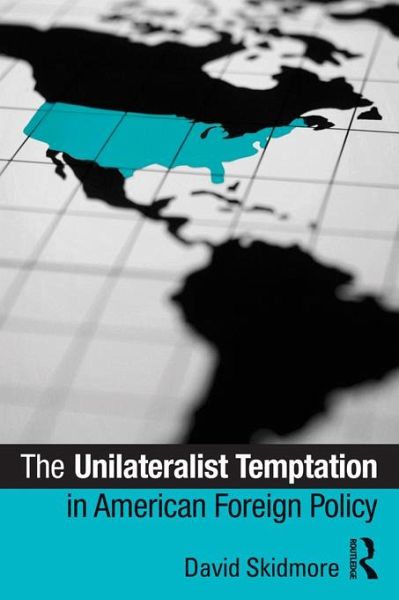
45,95 €
45,95 €
inkl. MwSt.
Sofort per Download lieferbar

23 °P sammeln
45,95 €
Als Download kaufen
45,95 €
inkl. MwSt.
Sofort per Download lieferbar
23 °P sammeln
Jetzt verschenken
Alle Infos zum eBook verschenken
45,95 €
inkl. MwSt.
Sofort per Download lieferbar
Alle Infos zum eBook verschenken
23 °P sammeln

Andere Kunden interessierten sich auch für
") The Fascist Temptation (eBook, ePUB)41,95 €
The Fascist Temptation (eBook, ePUB)41,95 €") The Study of World Politics (eBook, ePUB)45,95 €
The Study of World Politics (eBook, ePUB)45,95 €") European Foreign Policy and the Challenges of Balkan Accession (eBook, ePUB)45,95 €
European Foreign Policy and the Challenges of Balkan Accession (eBook, ePUB)45,95 €") The Multilateral Dimension in Russian Foreign Policy (eBook, ePUB)51,95 €
The Multilateral Dimension in Russian Foreign Policy (eBook, ePUB)51,95 €") The US Public and American Foreign Policy (eBook, ePUB)51,95 €
The US Public and American Foreign Policy (eBook, ePUB)51,95 €") The EU's Common Foreign and Security Policy (eBook, ePUB)29,95 €
The EU's Common Foreign and Security Policy (eBook, ePUB)29,95 €") The Socialist Temptation (eBook, ePUB)14,83 €
The Socialist Temptation (eBook, ePUB)14,83 €

The pattern of multilateral engagement and unilateral retrenchment in American foreign policy from the Cold War through the Clinton, Bush, and Obama years presents a puzzle. What accounts for the unilateralist turn? Is it a passing aberration attributable to the neoconservative ideology of the Bush administration? What then of the disengagement evident earlier during Clinton's presidency, or its continuation under Obama? Was the U.S. investment in multilateral institutions following World War II an anomaly? Or is the more recent retreat from international institutions the irregularity?
Skidmore traces U.S. unilateralism to the structural effects of the end of the Cold War, both domestically and abroad, to argue that the United States was more hegemonic than multilateralist-a rule-maker, not a rule-taker. An "institutional bargain" existed under the Cold War threat from the Soviets, but absent those imperatives the United States has been less willing to provide collective goods through strong international institutions and other states are less willing to defer to U.S. exemptions. On the home front, the post-Cold War political environment has made it more difficult for presidents to resist the appeals of powerful interests who are threatened by multilateral commitments.
This book demonstrates that American unilateralism has deeper roots and more resilience than many expect. The unilateral temptation can only be overcome through new political bargains domestically and internationally that permit multilateral engagement, even the absence of great power rivalry.
Skidmore traces U.S. unilateralism to the structural effects of the end of the Cold War, both domestically and abroad, to argue that the United States was more hegemonic than multilateralist-a rule-maker, not a rule-taker. An "institutional bargain" existed under the Cold War threat from the Soviets, but absent those imperatives the United States has been less willing to provide collective goods through strong international institutions and other states are less willing to defer to U.S. exemptions. On the home front, the post-Cold War political environment has made it more difficult for presidents to resist the appeals of powerful interests who are threatened by multilateral commitments.
This book demonstrates that American unilateralism has deeper roots and more resilience than many expect. The unilateral temptation can only be overcome through new political bargains domestically and internationally that permit multilateral engagement, even the absence of great power rivalry.
Dieser Download kann aus rechtlichen Gründen nur mit Rechnungsadresse in A, B, BG, CY, CZ, D, DK, EW, E, FIN, F, GR, HR, H, IRL, I, LT, L, LR, M, NL, PL, P, R, S, SLO, SK ausgeliefert werden.