8,95 €
8,95 €
inkl. MwSt.
Sofort per Download lieferbar

4 °P sammeln
8,95 €
Als Download kaufen
8,95 €
inkl. MwSt.
Sofort per Download lieferbar
4 °P sammeln
Jetzt verschenken
Alle Infos zum eBook verschenken
8,95 €
inkl. MwSt.
Sofort per Download lieferbar
Alle Infos zum eBook verschenken
4 °P sammeln

Andere Kunden interessierten sich auch für
") The Witch of Edmonton (eBook, ePUB)8,95 €
The Witch of Edmonton (eBook, ePUB)8,95 €") The Witch (eBook, PDF)8,95 €
The Witch (eBook, PDF)8,95 €") A Taste Of Honey (eBook, PDF)9,95 €
A Taste Of Honey (eBook, PDF)9,95 €") A Taste Of Honey (eBook, PDF)9,95 €
A Taste Of Honey (eBook, PDF)9,95 €") The Truth (eBook, PDF)10,95 €
The Truth (eBook, PDF)10,95 €") Blue/Orange (eBook, PDF)9,95 €
Blue/Orange (eBook, PDF)9,95 €") Shopping and F***ing (eBook, PDF)9,95 €
Shopping and F***ing (eBook, PDF)9,95 €



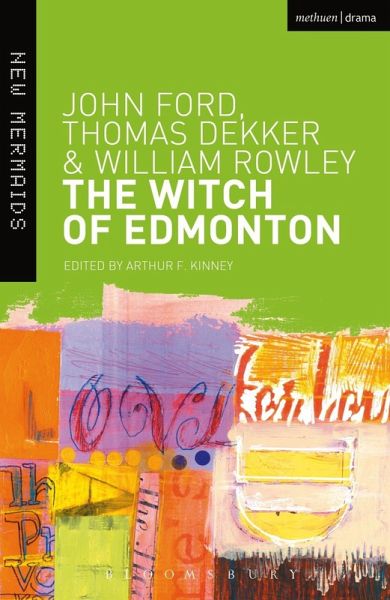
It is a historical phenomenon that while thousands of women were being burnt as witches in early modern Europe, the English - although there were a few celebrated trials and executions, one of which the play dramatises - were not widely infected by the witch-craze. The stage seems to have provided an outlet for anxieties about witchcraft, as well as an opportunity for public analysis. The Witch of Edmonton (1621) manifests this fundamentally reasonable attitude, with Dekker insisting on justice for the poor and oppressed, Ford providing psychological character studies, and Rowley the clowning. The village community of Edmonton feels threatened by two misfits, Old Mother Sawyer, who has turned to the devil to aid her against her unfeeling neighbours, and Frank, who refuses to marry the woman of his father's choice and ends up murdering her. This edition shows how the play generates sympathy for both and how contemporaries would have responded to its presentation of village life and witchcraft.