Sie sind bereits eingeloggt. Klicken Sie auf 2. tolino select Abo, um fortzufahren.
Bitte loggen Sie sich zunächst in Ihr Kundenkonto ein oder registrieren Sie sich bei bücher.de, um das eBook-Abo tolino select nutzen zu können.
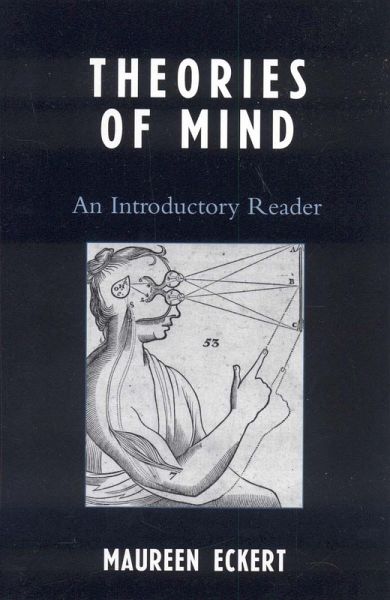
Intended for introductory classes focusing on philosophy of mind, Theories of Mind includes readings from primary sources, edited to suit the needs of the beginner. Edited selections focus on vivid examples and counter-examples, and meet the needs of instructors concerned with assigning accessible primary source material that can serve as a foundation for more advanced studies in philosophy.
Intended for introductory classes focusing on philosophy of mind, Theories of Mind includes readings from primary sources, edited to suit the needs of the beginner. Edited selections focus on vivid examples and counter-examples, and meet the needs of instructors concerned with assigning accessible primary source material that can serve as a foundation for more advanced studies in philosophy.
Die Herstellerinformationen sind derzeit nicht verfügbar.
Autorenporträt
Maureen Eckert is assistant professor of philosophy at the University of Massachusetts, Dartmouth. She is co-editor of Philosophical Horizons: Introductory Readings and Knowledge and Reality: Classic and Contemporary Readings
Inhaltsangabe
Part 1 Introduction Part 2 Section 1: Substance Dualism and Gilbert Ryle's Critique Chapter 3 Descartes, Principles of Philosophy, selections Chapter 4 Gilbert Ryle, Concept of Mind, selection from chapter 1 and selection from chapter 2 Chapter 5 Jerry Fodor, "Logical Behaviorism" selection from Language of Thought Part 6 Section 2: Three Theories of Mind Part 7 Type Identity Chapter 8 J.J.C. Smart, "Sensations and Brain Processes," selection Part 9 Functionalism Chapter 10 Alan Turing, "Computing Machinery and Intelligence," selection Chapter 11 David Lewis, "Psychophysical and Theoretical Identifications," selection Chapter 12 Jerry A. Fodor, "The Mind-Body Problem" Chapter 13 Ned Block, "Troubles with Functionalism," selection Chapter 14 Frank Jackson, "Epiphenomenal Quailia" Part 15 Eliminative Materialism Chapter 16 Paul Churchland, "Eliminativism" from Matter and Consciousness Chapter 17 Daniel C. Dennett, selection from "True Believers: The Intentional Strategy and Why it Works" Chapter 18 Andy Clark, "I am John's Brain" Part 19 Section 3: Artificial Intelligence Chapter 20 John Searle, "Is the Mind's Brain a Computer Program?" Chapter 21 Paul and Patricia Churchland, "Could a Machine Think?" 22 Daniel C. Dennett: "On the Practical Requirements of Making a Conscious Robot" Part 23 Section 4: Consciousness Part 24 Subjectivity/Objectivity Chapter 25 Thomas Nagel, "What is it Like to Be a Bat?" Chapter 26 Keith Gunderson, "Asymmetries and Mind-Body Perplexities," selection Chapter 27 David Lewis, "On Knowing What it's Like" Part 28 Theories of Consciousness Chapter 29 David Armstrong, "What is Consciousness?" Chapter 30 David Chalmers, "Facing Up to the Problem of Consciousness" Chapter 31 Barbara Montero, "Rethinking the Mind-Body Problem"
Part 1 Introduction Part 2 Section 1: Substance Dualism and Gilbert Ryle's Critique Chapter 3 Descartes, Principles of Philosophy, selections Chapter 4 Gilbert Ryle, Concept of Mind, selection from chapter 1 and selection from chapter 2 Chapter 5 Jerry Fodor, "Logical Behaviorism" selection from Language of Thought Part 6 Section 2: Three Theories of Mind Part 7 Type Identity Chapter 8 J.J.C. Smart, "Sensations and Brain Processes," selection Part 9 Functionalism Chapter 10 Alan Turing, "Computing Machinery and Intelligence," selection Chapter 11 David Lewis, "Psychophysical and Theoretical Identifications," selection Chapter 12 Jerry A. Fodor, "The Mind-Body Problem" Chapter 13 Ned Block, "Troubles with Functionalism," selection Chapter 14 Frank Jackson, "Epiphenomenal Quailia" Part 15 Eliminative Materialism Chapter 16 Paul Churchland, "Eliminativism" from Matter and Consciousness Chapter 17 Daniel C. Dennett, selection from "True Believers: The Intentional Strategy and Why it Works" Chapter 18 Andy Clark, "I am John's Brain" Part 19 Section 3: Artificial Intelligence Chapter 20 John Searle, "Is the Mind's Brain a Computer Program?" Chapter 21 Paul and Patricia Churchland, "Could a Machine Think?" 22 Daniel C. Dennett: "On the Practical Requirements of Making a Conscious Robot" Part 23 Section 4: Consciousness Part 24 Subjectivity/Objectivity Chapter 25 Thomas Nagel, "What is it Like to Be a Bat?" Chapter 26 Keith Gunderson, "Asymmetries and Mind-Body Perplexities," selection Chapter 27 David Lewis, "On Knowing What it's Like" Part 28 Theories of Consciousness Chapter 29 David Armstrong, "What is Consciousness?" Chapter 30 David Chalmers, "Facing Up to the Problem of Consciousness" Chapter 31 Barbara Montero, "Rethinking the Mind-Body Problem"
Es gelten unsere Allgemeinen Geschäftsbedingungen: www.buecher.de/agb
Impressum
www.buecher.de ist ein Internetauftritt der buecher.de internetstores GmbH
Geschäftsführung: Monica Sawhney | Roland Kölbl | Günter Hilger
Sitz der Gesellschaft: Batheyer Straße 115 - 117, 58099 Hagen
Postanschrift: Bürgermeister-Wegele-Str. 12, 86167 Augsburg
Amtsgericht Hagen HRB 13257
Steuernummer: 321/5800/1497
USt-IdNr: DE450055826