139,99 €
139,99 €
inkl. MwSt.
Sofort per Download lieferbar
0 °P sammeln
139,99 €
Als Download kaufen
139,99 €
inkl. MwSt.
Sofort per Download lieferbar
0 °P sammeln
Jetzt verschenken
Alle Infos zum eBook verschenken
139,99 €
inkl. MwSt.
Sofort per Download lieferbar
Alle Infos zum eBook verschenken
0 °P sammeln
- Format: PDF
- Merkliste
- Auf die Merkliste
- Bewerten Bewerten
- Teilen
- Produkt teilen
- Produkterinnerung
- Produkterinnerung

Bitte loggen Sie sich zunächst in Ihr Kundenkonto ein oder registrieren Sie sich bei
bücher.de, um das eBook-Abo tolino select nutzen zu können.
Hier können Sie sich einloggen
Sie sind bereits eingeloggt. Klicken Sie auf 2. tolino select Abo, um fortzufahren.

Bitte loggen Sie sich zunächst in Ihr Kundenkonto ein oder registrieren Sie sich bei bücher.de, um das eBook-Abo tolino select nutzen zu können.
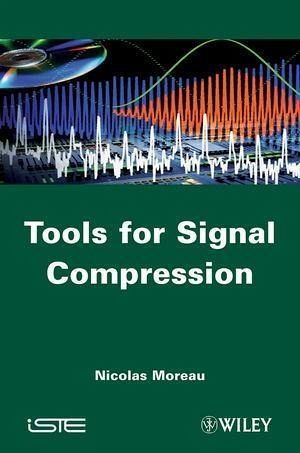
This book presents tools and algorithms required to compress/uncompress signals such as speech and music. These algorithms are largely used in mobile phones, DVD players, HDTV sets, etc. In a first rather theoretical part, this book presents the standard tools used in compression systems: scalar and vector quantization, predictive quantization, transform quantization, entropy coding. In particular we show the consistency between these different tools. The second part explains how these tools are used in the latest speech and audio coders. The third part gives Matlab programs simulating these coders.…mehr
- Geräte: PC
- mit Kopierschutz
- eBook Hilfe
- Größe: 4.33MB
Andere Kunden interessierten sich auch für
Harry L. van TreesOptimum Array Processing (eBook, PDF)215,99 €
Saeid SaneiAdaptive Processing of Brain Signals (eBook, PDF)97,99 €
Bangjun LeiClassification, Parameter Estimation and State Estimation (eBook, PDF)101,99 €
Harry L. van TreesDetection Estimation and Modulation Theory, Part I (eBook, PDF)104,99 €
Mathematical Morphology (eBook, PDF)203,99 €
Xuefeng YinPropagation Channel Characterization, Parameter Estimation, and Modeling for Wireless Communications (eBook, PDF)123,99 €
Lajos HanzoVideo Compression and Communications (eBook, PDF)163,99 €-
-
-
This book presents tools and algorithms required to compress/uncompress signals such as speech and music. These algorithms are largely used in mobile phones, DVD players, HDTV sets, etc. In a first rather theoretical part, this book presents the standard tools used in compression systems: scalar and vector quantization, predictive quantization, transform quantization, entropy coding. In particular we show the consistency between these different tools. The second part explains how these tools are used in the latest speech and audio coders. The third part gives Matlab programs simulating these coders.
Dieser Download kann aus rechtlichen Gründen nur mit Rechnungsadresse in D ausgeliefert werden.
Produktdetails
- Produktdetails
- Verlag: Wiley-Blackwell
- Erscheinungstermin: 7. März 2013
- Englisch
- ISBN-13: 9781118616550
- Artikelnr.: 37747035
- Verlag: Wiley-Blackwell
- Erscheinungstermin: 7. März 2013
- Englisch
- ISBN-13: 9781118616550
- Artikelnr.: 37747035
- Herstellerkennzeichnung Die Herstellerinformationen sind derzeit nicht verfügbar.
Nicolas Moreau, Retired Professor.
Introduction xi
PART 1. TOOLS FOR SIGNAL COMPRESSION 1
Chapter 1. Scalar Quantization 3
1.1. Introduction 3
1.2. Optimum scalar quantization 4
1.3. Predictive scalar quantization 10
Chapter 2. Vector Quantization 23
2.1. Introduction 23
2.2. Rationale 23
2.3. Optimum codebook generation 26
2.4. Optimum quantizer performance 28
2.5. Using the quantizer 30
2.6. Gain-shape vector quantization 32
Chapter 3. Sub-band Transform Coding 37
3.1. Introduction 37
3.2. Equivalence of filter banks and transforms 38
3.3. Bit allocation 40
3.4. Optimum transform 46
3.5. Performance 48
Chapter 4. Entropy Coding 53
4.1. Introduction 53
4.2. Noiseless coding of discrete, memoryless sources 54
4.3. Noiseless coding of a discrete source with memory 66
4.4. Scalar quantizer with entropy constraint 73
4.5. Capacity of a discrete memoryless channel 79
4.6. Coding a discrete source with a fidelity criterion 83
PART 2. AUDIO SIGNAL APPLICATIONS 89
Chapter 5. Introduction to Audio Signals 91
5.1. Speech signal characteristics 91
5.2. Characteristics of music signals 92
5.3. Standards and recommendations 93
Chapter 6. Speech Coding 101
6.1. PCM and ADPCM coders 101
6.2. The 2.4 bit/s LPC-10 coder 102
6.3. The CELP coder 107
Chapter 7. Audio Coding 123
7.1. Principles of "perceptual coders" 123
7.2. MPEG-1layer 1 coder 126
7.3. MPEG-2AACcoder 130
7.4. DolbyAC-3 coder 134
7.5. Psychoacoustic model: calculating a masking threshold 135
Chapter 8. Audio Coding: Additional Information 141
8.1. Low bit rate/acceptable quality coders 141
8.2. High bit rate lossless or almost lossless coders 146
Chapter 9. Stereo Coding: A Synthetic Presentation 149
9.1. Basic hypothesis and notation 149
9.2. Determining the inter-channel indices 151
9.3. Downmixing procedure 154
9.4. At the receiver 158
9.5. Draft International Standard 161
PART 3. MATLAB_ PROGRAMS 163
Chapter 10. A Speech Coder 165
10.1. Introduction 165
10.2. Script for the calling function 165
10.3. Script for called functions 170
Chapter 11. A Music Coder 173
11.1. Introduction 173
11.2. Script for the calling function 173
11.3. Script for called functions 176
Bibliography 195
Index 199
PART 1. TOOLS FOR SIGNAL COMPRESSION 1
Chapter 1. Scalar Quantization 3
1.1. Introduction 3
1.2. Optimum scalar quantization 4
1.3. Predictive scalar quantization 10
Chapter 2. Vector Quantization 23
2.1. Introduction 23
2.2. Rationale 23
2.3. Optimum codebook generation 26
2.4. Optimum quantizer performance 28
2.5. Using the quantizer 30
2.6. Gain-shape vector quantization 32
Chapter 3. Sub-band Transform Coding 37
3.1. Introduction 37
3.2. Equivalence of filter banks and transforms 38
3.3. Bit allocation 40
3.4. Optimum transform 46
3.5. Performance 48
Chapter 4. Entropy Coding 53
4.1. Introduction 53
4.2. Noiseless coding of discrete, memoryless sources 54
4.3. Noiseless coding of a discrete source with memory 66
4.4. Scalar quantizer with entropy constraint 73
4.5. Capacity of a discrete memoryless channel 79
4.6. Coding a discrete source with a fidelity criterion 83
PART 2. AUDIO SIGNAL APPLICATIONS 89
Chapter 5. Introduction to Audio Signals 91
5.1. Speech signal characteristics 91
5.2. Characteristics of music signals 92
5.3. Standards and recommendations 93
Chapter 6. Speech Coding 101
6.1. PCM and ADPCM coders 101
6.2. The 2.4 bit/s LPC-10 coder 102
6.3. The CELP coder 107
Chapter 7. Audio Coding 123
7.1. Principles of "perceptual coders" 123
7.2. MPEG-1layer 1 coder 126
7.3. MPEG-2AACcoder 130
7.4. DolbyAC-3 coder 134
7.5. Psychoacoustic model: calculating a masking threshold 135
Chapter 8. Audio Coding: Additional Information 141
8.1. Low bit rate/acceptable quality coders 141
8.2. High bit rate lossless or almost lossless coders 146
Chapter 9. Stereo Coding: A Synthetic Presentation 149
9.1. Basic hypothesis and notation 149
9.2. Determining the inter-channel indices 151
9.3. Downmixing procedure 154
9.4. At the receiver 158
9.5. Draft International Standard 161
PART 3. MATLAB_ PROGRAMS 163
Chapter 10. A Speech Coder 165
10.1. Introduction 165
10.2. Script for the calling function 165
10.3. Script for called functions 170
Chapter 11. A Music Coder 173
11.1. Introduction 173
11.2. Script for the calling function 173
11.3. Script for called functions 176
Bibliography 195
Index 199
Introduction xi
PART 1. TOOLS FOR SIGNAL COMPRESSION 1
Chapter 1. Scalar Quantization 3
1.1. Introduction 3
1.2. Optimum scalar quantization 4
1.3. Predictive scalar quantization 10
Chapter 2. Vector Quantization 23
2.1. Introduction 23
2.2. Rationale 23
2.3. Optimum codebook generation 26
2.4. Optimum quantizer performance 28
2.5. Using the quantizer 30
2.6. Gain-shape vector quantization 32
Chapter 3. Sub-band Transform Coding 37
3.1. Introduction 37
3.2. Equivalence of filter banks and transforms 38
3.3. Bit allocation 40
3.4. Optimum transform 46
3.5. Performance 48
Chapter 4. Entropy Coding 53
4.1. Introduction 53
4.2. Noiseless coding of discrete, memoryless sources 54
4.3. Noiseless coding of a discrete source with memory 66
4.4. Scalar quantizer with entropy constraint 73
4.5. Capacity of a discrete memoryless channel 79
4.6. Coding a discrete source with a fidelity criterion 83
PART 2. AUDIO SIGNAL APPLICATIONS 89
Chapter 5. Introduction to Audio Signals 91
5.1. Speech signal characteristics 91
5.2. Characteristics of music signals 92
5.3. Standards and recommendations 93
Chapter 6. Speech Coding 101
6.1. PCM and ADPCM coders 101
6.2. The 2.4 bit/s LPC-10 coder 102
6.3. The CELP coder 107
Chapter 7. Audio Coding 123
7.1. Principles of "perceptual coders" 123
7.2. MPEG-1layer 1 coder 126
7.3. MPEG-2AACcoder 130
7.4. DolbyAC-3 coder 134
7.5. Psychoacoustic model: calculating a masking threshold 135
Chapter 8. Audio Coding: Additional Information 141
8.1. Low bit rate/acceptable quality coders 141
8.2. High bit rate lossless or almost lossless coders 146
Chapter 9. Stereo Coding: A Synthetic Presentation 149
9.1. Basic hypothesis and notation 149
9.2. Determining the inter-channel indices 151
9.3. Downmixing procedure 154
9.4. At the receiver 158
9.5. Draft International Standard 161
PART 3. MATLAB_ PROGRAMS 163
Chapter 10. A Speech Coder 165
10.1. Introduction 165
10.2. Script for the calling function 165
10.3. Script for called functions 170
Chapter 11. A Music Coder 173
11.1. Introduction 173
11.2. Script for the calling function 173
11.3. Script for called functions 176
Bibliography 195
Index 199
PART 1. TOOLS FOR SIGNAL COMPRESSION 1
Chapter 1. Scalar Quantization 3
1.1. Introduction 3
1.2. Optimum scalar quantization 4
1.3. Predictive scalar quantization 10
Chapter 2. Vector Quantization 23
2.1. Introduction 23
2.2. Rationale 23
2.3. Optimum codebook generation 26
2.4. Optimum quantizer performance 28
2.5. Using the quantizer 30
2.6. Gain-shape vector quantization 32
Chapter 3. Sub-band Transform Coding 37
3.1. Introduction 37
3.2. Equivalence of filter banks and transforms 38
3.3. Bit allocation 40
3.4. Optimum transform 46
3.5. Performance 48
Chapter 4. Entropy Coding 53
4.1. Introduction 53
4.2. Noiseless coding of discrete, memoryless sources 54
4.3. Noiseless coding of a discrete source with memory 66
4.4. Scalar quantizer with entropy constraint 73
4.5. Capacity of a discrete memoryless channel 79
4.6. Coding a discrete source with a fidelity criterion 83
PART 2. AUDIO SIGNAL APPLICATIONS 89
Chapter 5. Introduction to Audio Signals 91
5.1. Speech signal characteristics 91
5.2. Characteristics of music signals 92
5.3. Standards and recommendations 93
Chapter 6. Speech Coding 101
6.1. PCM and ADPCM coders 101
6.2. The 2.4 bit/s LPC-10 coder 102
6.3. The CELP coder 107
Chapter 7. Audio Coding 123
7.1. Principles of "perceptual coders" 123
7.2. MPEG-1layer 1 coder 126
7.3. MPEG-2AACcoder 130
7.4. DolbyAC-3 coder 134
7.5. Psychoacoustic model: calculating a masking threshold 135
Chapter 8. Audio Coding: Additional Information 141
8.1. Low bit rate/acceptable quality coders 141
8.2. High bit rate lossless or almost lossless coders 146
Chapter 9. Stereo Coding: A Synthetic Presentation 149
9.1. Basic hypothesis and notation 149
9.2. Determining the inter-channel indices 151
9.3. Downmixing procedure 154
9.4. At the receiver 158
9.5. Draft International Standard 161
PART 3. MATLAB_ PROGRAMS 163
Chapter 10. A Speech Coder 165
10.1. Introduction 165
10.2. Script for the calling function 165
10.3. Script for called functions 170
Chapter 11. A Music Coder 173
11.1. Introduction 173
11.2. Script for the calling function 173
11.3. Script for called functions 176
Bibliography 195
Index 199