Sie sind bereits eingeloggt. Klicken Sie auf 2. tolino select Abo, um fortzufahren.
Bitte loggen Sie sich zunächst in Ihr Kundenkonto ein oder registrieren Sie sich bei bücher.de, um das eBook-Abo tolino select nutzen zu können.
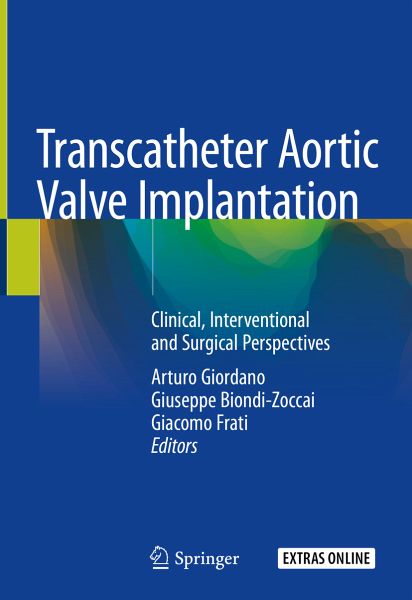
Compares transcatheter aortic valve implantation to medical therapy in prohibitive-risk patients Focuses on translational, clinical and future perspectives Reports on the interesting role of rest and stress echocardiography in transcatheter aortic valve implantation
Compares transcatheter aortic valve implantation to medical therapy in prohibitive-risk patients
Focuses on translational, clinical and future perspectives
Reports on the interesting role of rest and stress echocardiography in transcatheter aortic valve implantation
Dieser Download kann aus rechtlichen Gründen nur mit Rechnungsadresse in A, B, BG, CY, CZ, D, DK, EW, E, FIN, F, GR, HR, H, IRL, I, LT, L, LR, M, NL, PL, P, R, S, SLO, SK ausgeliefert werden.
Die Herstellerinformationen sind derzeit nicht verfügbar.
Autorenporträt
Dr. Giordano completed his medical and cardiology training at the University of Naples, Italy, and has been an invasive cardiologist for more than 30 years. He currently directs the Interventional Cardiology Unit of Pineta Grande Hospital in Castel Volturno, and the Invasive Cardiology Unit of S. Lucia Hospital in S. Giuseppe Vesuviano, both in Italy. He is an internationally recognized expert in structural heart disease, leading one of the busiest structural heart disease centers in Europe, and also masters many techniques for transcatheter management of cardiac valvular disease, with an expertise ranging from new-generation devices for transcatheter aortic valve implantation to endovascular procedures and mitral valve repair. He has published several important articles on transcatheter aortic valve implantation, with a key focus on new devices, techniques, and methods to increase the biocompatibility of endoprostheses. Prof. Biondi-Zoccai received his medical diploma from the University of Milan, Italy, completed his cardiology training at the Catholic University of Rome, Italy and refined his statistical expertise with an MStat diploma at the Tor Vergata University, Rome. He subsequently engaged in additional training at Hopital Hautepierre, Strasbourg, France, Hammersmith Hospital, London, UK, and Mount Sinai Medical Center, New York, USA. He is currently an Associate Professor of Cardiology at Sapienza University of Rome, and is an accomplished interventional cardiologist and clinical researcher, with a specific focus on outcome research. He has published more than 700 scholarly articles and edited 3 textbooks on clinical outcomes and research methodology. Prof. Frati completed his medical training at Sapienza University of Rome, and subsequently his cardiac surgery training at Campus Biomedico University of Rome, Italy. He is currently a Full Professor and Staff Cardiac Surgeon at Sapienza University of Rome. He uniquely combines expertise in clinical and surgical practice with translational and clinical research skills. He has also worked extensively on stem cells and tissue engineering at Thomas Jefferson University, Philadelphia, USA, and the University of Paris, France. He has authored more than 250 articles on translational and clinical research.
Inhaltsangabe
I - Pathophysiological and translational perspectives.- 1 History of transcatheter aortic valve implantation.- 2 Interventional anatomy of aortic valve disease.- 3 Pathophysiology of aortic.- 4 Pathophysiology of aortic regurigation.- 5 Pathophysiology of degenerated bioprosthesis.- 6 Role of inflammation in native and prosthetic aortic valve disease.- 7 Predictive computational models of transcatheter aortic valve implantation.- 8 Hemodynamic issues with transcatheter aortic valve implantation.- 9 Risk scores for aortic valve.- II Clinical perspectives.- 10 Role of rest and stress echocardiography in transcatheter aortic valve implantation.- 11 Role of computed tomography in transcatheter aortic valve implantation.- 12 Role of magnetic resonance imaging in transcatheter aortic valve implantation.- 13 Concomitant coronary artery disease and aortic stenosis.- 14 Comparison of transcatheter aortic valve implantation to medical therapy in prohibitive risk patients.- 15 Clinical and imaging follow-up after transcatheter aortic valve implantation.- 16 Biomarkers before, during and after transcatheter aortic valve implantation.- 17 Prognostic impact of aortic regurgitation and paravalvular leak.- 18 Leaflet motion abnormalities.- 19 Gender-related differences in transcatheter aortic valve implantation.- 20 Implementation issues for transcatheter aortic valve implantation: cost-effectiveness, wait-times and volume-outcome balance.- III Interventional perspectives.- 21 Transfemoral access management for transcatheter aortic valve implantation.- 22 Challenging anathomy for transcatheter aortic valve implantation.- 23 Abbott Vascular program for transcatheter aortic valve implantation.- 24 Boston Scientific program for transcatheter aortic valve implantation.- 25 Edwards program for transcatheter aortic valve implantation.- 26 JenaValve program for transcatheter aortic valve implantation.- 27 Medtronic program for transcatheter aortic valve implantation.- 28 Self-expanding vs balloon-expandable devices for transcatheter aortic valve implantation.- 29 Individualized device choice for transcatheter aortic valve implantation.- 30 Predilation for transcatheter aortic valve implantation.- 31 Postdilation for transcatheter aortic valve implantation.- 32 Embolic protection devices for transcatheter aortic valve implantation.- 33 Antithrombotic therapy during and after transcatheter aortic valve implantation.- 34 Contrast induced nephropathy and transcatheter aortic valve implantation.- 35 Conduction disorders and permanent pacemaker requirement after transcatheter aortic valve implantation.- 36 Systolic dysfunction and hemodynamic support in patients candidate for transcatheter aortic valve implantation.- 37 Radiation exposure in transcatheter aortic valve implantation.- 38 Procedure efficiency in transcatheter aortic valve implantation.- 39 Predictors of success for transcatheter aortic valve implantation.- 40 Learning curve, procedural volumes and relationship with clinical outcomes for transcatheter aortic valve implantation.- 41 Aortic valvuloplasty as bridge vs destination therapy.- IV Surgical perspectives.- 42 Role of the heart team in decision making for transcatheter aortic valve implantation.- 43 Alternative accesses for transcatheter aortic valve implantation.- 44 Comparison of transcatheter aortic valve implantation to surgery in intermediate risk patients.- 45 New approaches for aortic valve disease: from transcatheter aortic valve implantation to sutureless aortic valves.- 46 Hybrid procedures for aortic valve disease: transapical aortic valve implantation through lower left anterior mini-thoracotomy vs Edwards Intuity valve implantation through upper right anterior mini-thoracotomy.- V Future perspectives.- 47 Medical treatment for aortic valve disease.- 48 Transcatheter aortic valve implantation for pure aortic regurgitation.- 49 New-generation devices for transcatheter aortic valve implantation.- 50 Bioresorbable valve for transcatheter aortic valve implantation: tomorrow's world from preclinical to clinical.- 51 Focus on transcatheter aortic valve implantation in low risk patients.- 52 Conclusion.
I - Pathophysiological and translational perspectives.- 1 History of transcatheter aortic valve implantation.- 2 Interventional anatomy of aortic valve disease.- 3 Pathophysiology of aortic.- 4 Pathophysiology of aortic regurigation.- 5 Pathophysiology of degenerated bioprosthesis.- 6 Role of inflammation in native and prosthetic aortic valve disease.- 7 Predictive computational models of transcatheter aortic valve implantation.- 8 Hemodynamic issues with transcatheter aortic valve implantation.- 9 Risk scores for aortic valve.- II Clinical perspectives.- 10 Role of rest and stress echocardiography in transcatheter aortic valve implantation.- 11 Role of computed tomography in transcatheter aortic valve implantation.- 12 Role of magnetic resonance imaging in transcatheter aortic valve implantation.- 13 Concomitant coronary artery disease and aortic stenosis.- 14 Comparison of transcatheter aortic valve implantation to medical therapy in prohibitive risk patients.- 15 Clinical and imaging follow-up after transcatheter aortic valve implantation.- 16 Biomarkers before, during and after transcatheter aortic valve implantation.- 17 Prognostic impact of aortic regurgitation and paravalvular leak.- 18 Leaflet motion abnormalities.- 19 Gender-related differences in transcatheter aortic valve implantation.- 20 Implementation issues for transcatheter aortic valve implantation: cost-effectiveness, wait-times and volume-outcome balance.- III Interventional perspectives.- 21 Transfemoral access management for transcatheter aortic valve implantation.- 22 Challenging anathomy for transcatheter aortic valve implantation.- 23 Abbott Vascular program for transcatheter aortic valve implantation.- 24 Boston Scientific program for transcatheter aortic valve implantation.- 25 Edwards program for transcatheter aortic valve implantation.- 26 JenaValve program for transcatheter aortic valve implantation.- 27 Medtronic program for transcatheter aortic valve implantation.- 28 Self-expanding vs balloon-expandable devices for transcatheter aortic valve implantation.- 29 Individualized device choice for transcatheter aortic valve implantation.- 30 Predilation for transcatheter aortic valve implantation.- 31 Postdilation for transcatheter aortic valve implantation.- 32 Embolic protection devices for transcatheter aortic valve implantation.- 33 Antithrombotic therapy during and after transcatheter aortic valve implantation.- 34 Contrast induced nephropathy and transcatheter aortic valve implantation.- 35 Conduction disorders and permanent pacemaker requirement after transcatheter aortic valve implantation.- 36 Systolic dysfunction and hemodynamic support in patients candidate for transcatheter aortic valve implantation.- 37 Radiation exposure in transcatheter aortic valve implantation.- 38 Procedure efficiency in transcatheter aortic valve implantation.- 39 Predictors of success for transcatheter aortic valve implantation.- 40 Learning curve, procedural volumes and relationship with clinical outcomes for transcatheter aortic valve implantation.- 41 Aortic valvuloplasty as bridge vs destination therapy.- IV Surgical perspectives.- 42 Role of the heart team in decision making for transcatheter aortic valve implantation.- 43 Alternative accesses for transcatheter aortic valve implantation.- 44 Comparison of transcatheter aortic valve implantation to surgery in intermediate risk patients.- 45 New approaches for aortic valve disease: from transcatheter aortic valve implantation to sutureless aortic valves.- 46 Hybrid procedures for aortic valve disease: transapical aortic valve implantation through lower left anterior mini-thoracotomy vs Edwards Intuity valve implantation through upper right anterior mini-thoracotomy.- V Future perspectives.- 47 Medical treatment for aortic valve disease.- 48 Transcatheter aortic valve implantation for pure aortic regurgitation.- 49 New-generation devices for transcatheter aortic valve implantation.- 50 Bioresorbable valve for transcatheter aortic valve implantation: tomorrow's world from preclinical to clinical.- 51 Focus on transcatheter aortic valve implantation in low risk patients.- 52 Conclusion.
Rezensionen
"This intended audience is cardiologists or cardiac surgeons interested in TAVI as well as members of the heart team involved in patient selection, procedural management, and follow-up. ... This will be an excellent resource for beginning fellows or most advanced clinicians who would like to stay abreast of this ever-changing field." (Adam C Harless, Doody's Book Reviews, October 11, 2019)
Es gelten unsere Allgemeinen Geschäftsbedingungen: www.buecher.de/agb
Impressum
www.buecher.de ist ein Internetauftritt der buecher.de internetstores GmbH
Geschäftsführung: Monica Sawhney | Roland Kölbl | Günter Hilger
Sitz der Gesellschaft: Batheyer Straße 115 - 117, 58099 Hagen
Postanschrift: Bürgermeister-Wegele-Str. 12, 86167 Augsburg
Amtsgericht Hagen HRB 13257
Steuernummer: 321/5800/1497
USt-IdNr: DE450055826