76,95 €
76,95 €
inkl. MwSt.
Sofort per Download lieferbar

38 °P sammeln
76,95 €
Als Download kaufen
76,95 €
inkl. MwSt.
Sofort per Download lieferbar
38 °P sammeln
Jetzt verschenken
Alle Infos zum eBook verschenken
76,95 €
inkl. MwSt.
Sofort per Download lieferbar
Alle Infos zum eBook verschenken
38 °P sammeln

Andere Kunden interessierten sich auch für
") Dynamics of Bone and Cartilage Metabolism (eBook, ePUB)156,95 €
Dynamics of Bone and Cartilage Metabolism (eBook, ePUB)156,95 €") Advances in Pathobiology and Management of Paget's Disease of Bone (eBook, ePUB)47,95 €
Advances in Pathobiology and Management of Paget's Disease of Bone (eBook, ePUB)47,95 €") Bone Morphogenic Protein (eBook, ePUB)128,95 €
Bone Morphogenic Protein (eBook, ePUB)128,95 €") Mitochondria in Obesity and Type 2 Diabetes (eBook, ePUB)95,95 €
Mitochondria in Obesity and Type 2 Diabetes (eBook, ePUB)95,95 €") Bone Cancer (eBook, ePUB)100,95 €
Bone Cancer (eBook, ePUB)100,95 €") Diabetes Digital Health (eBook, ePUB)79,95 €
Diabetes Digital Health (eBook, ePUB)79,95 €") Understanding Insulin and Insulin Resistance (eBook, ePUB)116,95 €
Understanding Insulin and Insulin Resistance (eBook, ePUB)116,95 €
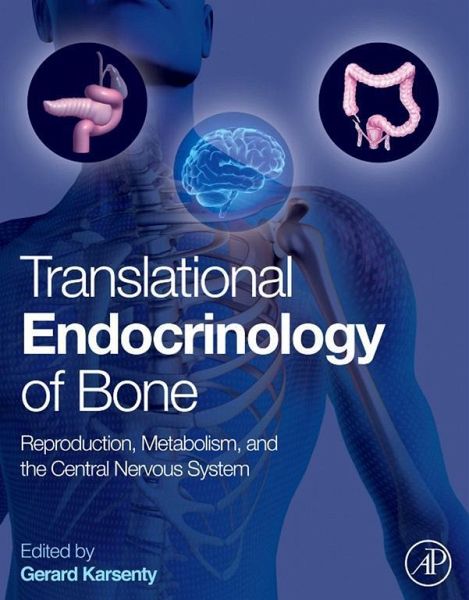
The use of model organisms together with the power of genetics has profoundly affected our understanding of the physiology of one organ, the skeleton, in two distinct but complementary ways. This is the first translational reference to focus on these major conceptual advances in bone biology and their development in the clinic. Several advances have already been translated into therapies and others are being tested for diseases as different as osteoporosis, type-2 diabetes, and hypo-fertility. This book is a timely reference for both basic and clinical researchers in bone biology and endocrinology. - Summarizes the latest research and translational applications of how the varied growth and development of bone affects appetite, metabolism, reproduction, and a wide range of endocrine functions - Provides a common language for bone biologists, endocrinologists, osteologists, and other researchers, such as neuroscientists, who study appetite, fuel metabolism and diabetes, to discuss the development of translational research and new therapeutic strategies for bone, metabolic, and neuro-endocrine diseases - Saves researchers and clinicians time in quickly accessing the very latest details on a broad range of bone research and therapeutics, as opposed to searching through thousands of journal articles
Dieser Download kann aus rechtlichen Gründen nur mit Rechnungsadresse in A, B, BG, CY, CZ, D, DK, EW, E, FIN, F, GR, HR, H, IRL, I, LT, L, LR, M, NL, PL, P, R, S, SLO, SK ausgeliefert werden.
"This is a valuable contribution to the field of bone biology. It is a must read for all researchers in the field of bone pathology. It is also a good book for physicians caring for patients with bone disorders as it provides a review of bone pathology in the context of other body systems." Rating: 4 Stars --Doody.com, May 2, 2014
".17 articles.discuss the effects of bone on whole-organism physiology and how the study of this discipline aids in the understanding of the pathogenesis of degenerative diseases affecting several organs. Chapters address various hormones and neuromediators ranging from serotonin to osteocalcin, as well as knowledge about the ability of bone to regulate phosphate metabolism." --ProtoView.com, March 2014
".17 articles.discuss the effects of bone on whole-organism physiology and how the study of this discipline aids in the understanding of the pathogenesis of degenerative diseases affecting several organs. Chapters address various hormones and neuromediators ranging from serotonin to osteocalcin, as well as knowledge about the ability of bone to regulate phosphate metabolism." --ProtoView.com, March 2014